Journalism of Courage
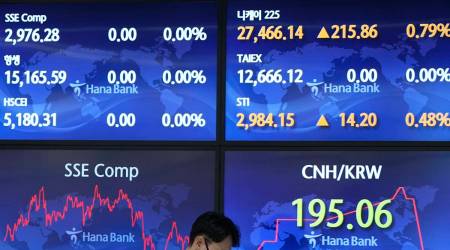
Wall Street's benchmark S&P 500 index rose for a third day after bond prices rose, suggesting some investors expect the Fed to ease off rate hikes as economic activity cools.
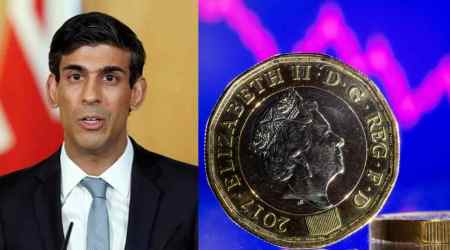
The 42-year old will become the country's third prime minister in less than two months, after his predecessor, Liz Truss, was brought down after just six weeks in office by an economic programme that roiled markets.

In a major policy speech here ahead of the annual meeting of the International Monetary Fund (IMF) and the World Bank, IMF Managing Director Georgieva on Thursday said the World Economic Outlook to be released next week would further downgrade the global growth projections.
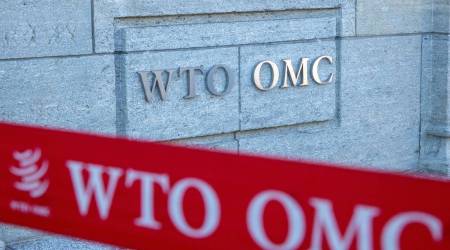
World trade is expected to lose momentum in the second half of 2022 and remain subdued in 2023, as multiple shocks weigh on the global economy, the multi-lateral body has said in a statement.
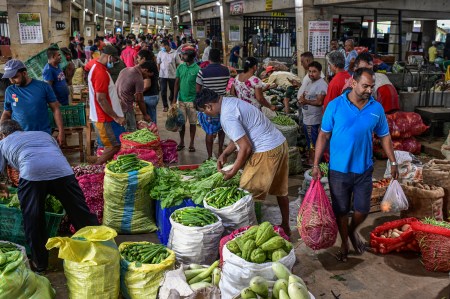
Compared with other currencies, the US dollar is the strongest it has been in two decades. It is rising because the Federal Reserve has increased interest rates sharply to combat inflation and because America’s economic health is better than most.
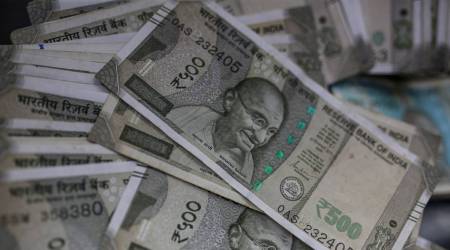
Reserves have declined by about $1 trillion, or 7.8%, this year to $12 trillion, the biggest drop since Bloomberg started to compile the data in 2003.
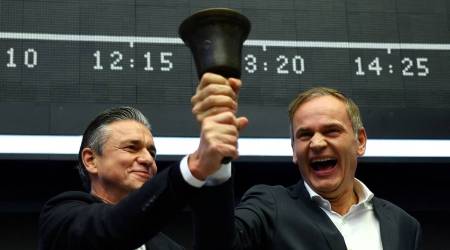
Shares opened at 84.00 euros apiece and traded at 82.88 euros by 0733 GMT.
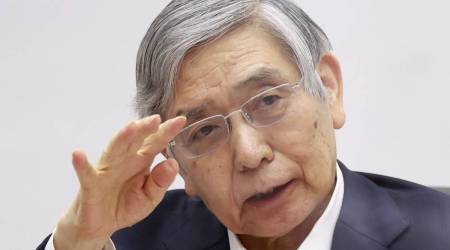
The yen rose as much as 2.3% against the dollar, pulling back sharply from the lows of the day when it had breached a key psychological level of 145, as top currency official Masato Kanda said Thursday the government was taking “decisive action.”
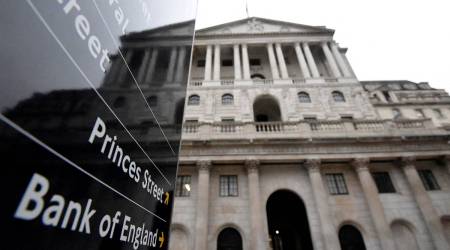
The BoE estimates Britain's economy will shrink 0.1% in the third quarter - partly due to the extra public holiday for Queen Elizabeth's funeral - which, combined with a fall in output in the second quarter, meets the definition of a technical recession.
Consumer demand for goods and services has been chugging along, supply has not kept up as transportation snarls and factory shutdowns combine with labor shortages to slow production, and the clash has allowed companies to charge more for the products they sell.
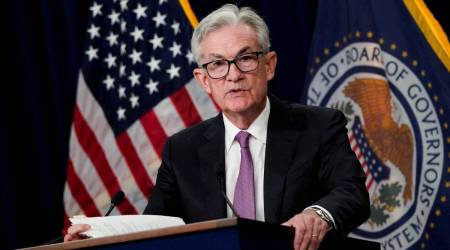
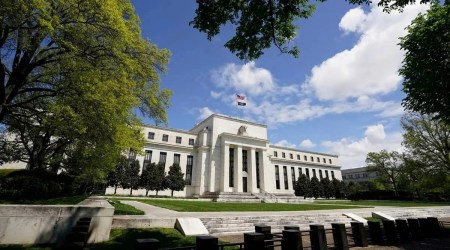
The Fed’s move boosted its benchmark short-term rate, which affects many consumer and business loans, to a range of 3% to 3.25%, the highest level since early 2008.
With markets reeling from last week's robust inflation number, interest rate futures late Friday were pricing in a roughly 20% chance that the Fed will raise rates by 100 basis points at its Sept 21 meeting. That number was all but unthinkable earlier this month, when the market was debating whether the move would be 50 or 75 basis points.

Markets were already on edge because of stubbornly high inflation as well as the higher interest rates being used to fight it, which will slow the economy.
The World Bank study estimates 2023 global gross domestic product growth to slow to 0.5%, and contract 0.4% in per capita terms that would meet the technical definition of a global recession.
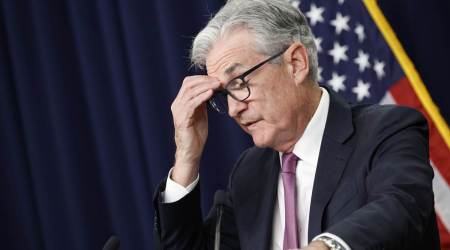
What started as a pandemic-driven supply shock has morphed into widespread inflation rooted just as much in resilient demand, underscored by unexpectedly high numbers that dashed hopes price gains were ebbing.

The consumer price index gained 0.1% last month after being unchanged in July, the Labor Department said on Tuesday
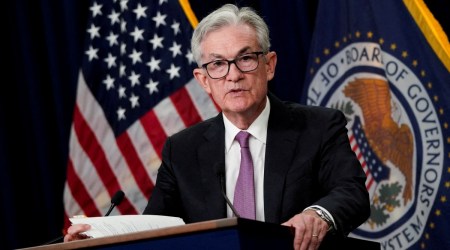
Investors had been hoping for a signal that the Fed might soon moderate its rate increases later this year if inflation were to show further signs of easing. But the Fed chair indicated that that time may not be near.
Reeling from a surge in energy prices caused by Russia's invasion of Ukraine, the BoE's Monetary Policy Committee voted 8-1 for a half percentage point rise in Bank Rate to 1.75% - its highest level since late 2008 - from 1.25%.

Annual inflation in the eurozone's 19 countries rose to 8.9% in July, an increase from 8.6% in June, according to the latest numbers published Friday by the European Union statistics agency. Inflation has been running at its highest level since 1997, when record-keeping for the euro began.
The difference between rates on where three-month bills are now and where they will be in 18 months has tumbled about 95 basis points in July, the biggest monthly decline in data starting in 1996. A vast swathe of the US yield curve inverted in recent weeks as recession fears spurred investors to pile into longer maturities.

The size of Brin’s personal investments in Musk’s companies isn’t known, and it’s unclear whether there have been any sales

The scandal has triggered widespread protests from outraged depositors since April and cast a harsh spotlight on the 4,000 small and medium-sized banks sprinkled across the country.

Lebanon, Sri Lanka, Russia, Suriname and Zambia are already in default, Belarus is on the brink and at least another dozen are in the danger zone as rising borrowing costs, inflation and debt all stoke fears of economic collapse.

Imports during the first half of the year fell 3% versus the same period last year to 252.5 million tonnes, or about 10.2 million bpd, as months of COVID control measures and the government's curbs on fuel exports capped crude buying.
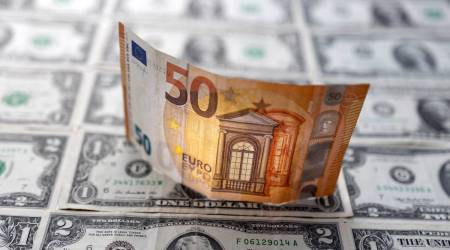
The dollar index, a measure against six counterparts, with the euro most heavily weighted, was up 0.3% at 108.45. It had earlier climbed to 108.47, its highest since October 2002.