Journalism of Courage

HIV remains a global health challenge, but effective prevention tools can significantly reduce the risk of acquiring the virus. Here are essential measures recommended by CDC. (Source: Photo by unsplash )

Ensure Safe Blood and Medical Procedures: Only receive screened blood products and ensure medical procedures use sterilised instruments to prevent HIV transmission. (Source: Photo by unsplash )

Consider PrEP if you're at a High risk: Pre-exposure prophylaxis (PrEP) is a daily or event-based medication that reduces HIV risk by up to 99% when taken correctly. (Source: Photo by unsplash )

If HIV positive, Stay On Treatment: People living with HIV who take antiretroviral therapy and maintain an undetectable viral load do not transmit the virus sexually. (Source: Photo by unsplash )

Get Tested Regularly: Routine HIV testing helps detect infections early and prevents unknowingly transmitting the virus. Testing is recommended at least once a year for most adults and more often for high-risk groups. (Source: Photo by unsplash )
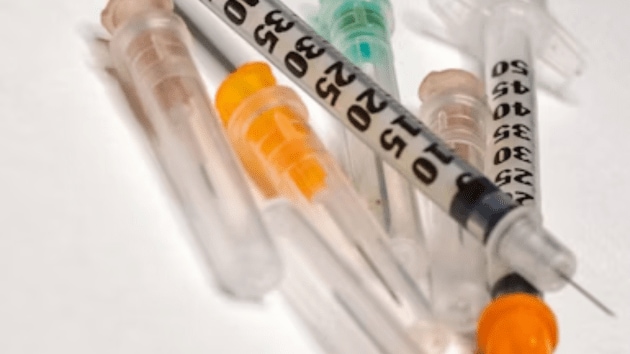
Avoid Sharing Needles or Injection Equipment: Sharing needles, syringes, or tattoo equipment greatly increases HIV risk. Always use new, sterile equipment. (Source: Photo by unsplash )

Use Protection during Sexual Activity: Consistent and correct use of condoms significantly lowers HIV transmission risk. (Source: Photo by unsplash )