2 min read
Stay updated with the latest - Click here to follow us on Instagram
© IE Online Media Services Pvt Ltd



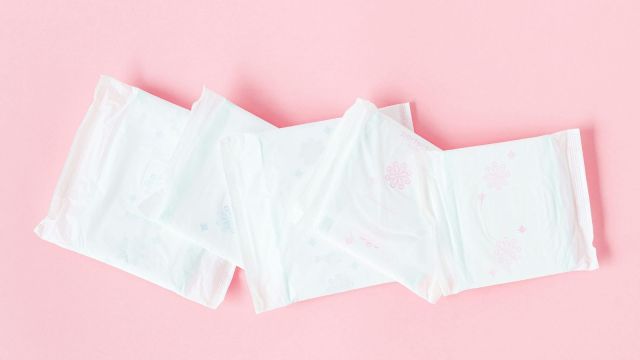 A study found that only about 16.2 percent of women in rural areas use pads because of the high cost. (Credit: pexels)
While countries like Kenya, India, the United Kingdom, Canada, Australia, Colombia, and South Africa have abolished the pink tax or period tax, Pakistan still cannot seem to let go of it. A woman spends about six to seven years of her life menstruating cumulatively. For schoolgirls and women belonging to lower-income groups, managing their periods appropriately can be extremely difficult.
According to UNICEF, only a small proportion of women in Pakistan are able to buy sanitary pads due to high taxes that can add up to 40 percent of the retail price. Another study found that only about 16.2 per cent of women in rural areas use pads because of the high cost.
A 25-year-old lawyer and activist, Mahnoor Omer, is fighting the Pakistani government for women’s rights and has already had her first hearing. She has challenged the “period tax”, questioning why the Pakistan government exempts “essential goods” from tax items that currently include cattle semen, milk, and cheese while sanitary pads, which are monthly necessities for many of the country’s 109 million women, are classed as non-essential and taxed as luxury goods alongside perfumes and cosmetics.
“It is disheartening that despite women serving as ministers, lawmakers, and public representatives, gender-blind policies continue to pass without question,” Omer told The Guardian. “Whether it’s an omission or a deliberate act, such laws must be amended,” she added.
Omer is backed by Mahwari Justice, a youth-led organisation that provides health education and distributes menstrual products in poorer communities. It was founded in the aftermath of the catastrophic 2022 floods, when two friends, Anum Khalid and Bushra Mahnoor, witnessed how women were forced to use unsafe substitutes for menstrual hygiene. The organisation has also launched a petition to support Omer’s legal action.
“Since many cases like this often go unnoticed, our goal is to mobilise people to sign the petition and build public pressure for change,” Mahnoor told The Guardian. The petition has received more than 4,700 signatures so far.
Stay updated with the latest - Click here to follow us on Instagram