3 min read
© IE Online Media Services Pvt Ltd



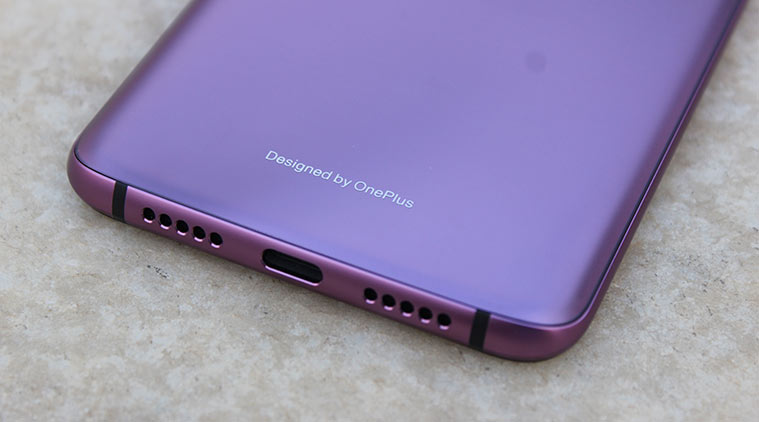 Here is how OnePlus uses user feedback to build its OxygenOS.
OxygenOS is one of the most favourite custom user interfaces out there with some users preferring it over the stock Android as well. XDA Developers published an article highlighting how OnePlus incorporates new features in the OxygenOS based directly on user feedback.
OnePlus started with Cyanogen OS for the OnePlus One following a partnership with Cyanogen Inc and then shifting to its own in-house HydrogenOS for the Chinese market and OxygenOS for the global market. Gary Chen, Head of Software Product Operations at OnePlus told the XDA Developers that there are multiple teams within the company that work and iterate on new features that are baked into the OS.
OnePlus also holds semi-regular, multi-day workshops where its employees bring up ideas of their own or from users online. After picking the most usable and practical ideas, the company puts the feature to user research. It collects feedback from users, both online and in-person.
For this purpose, the company holds its Open Ears Forums in places like London, San Francisco, and New York City every few months. The online feedback comes from social media or from OnePlus’ own forums. Sometimes, the company also asks the users to come up with ideas, as it did in February this year with the #PMChallenge (Product Manager challenge).
Once, it settles down on one or two features to be implemented in the OxygenOS, the company puts the feature in its closed beta program where only a handful of users (about 400) test the feature. The closed beta testers sign an NDA to get the chance to try out new features in its earliest stage and help company fix bugs too.
OnePlus surveys or talks directly to the closed beta users about the feature. It makes changes accordingly and rolls out the feature to open beta testers. Chen says the company tests new features about three times in this manner to make sure they’re ready for production. It takes about three to six months on average for any feature to become a part of OxygenOS.
Also read | OnePlus 6/6T users want an OxygenOS feature removed for privacy reasons
Chen also said that adding new features in OxygenOS sometimes results in modifying core behaviour in the Android framework. Any such changes could cause conflicts with the next Android release if Google changes the behaviour themselves. In that case, OnePlus looks for a compromise that allows it to offer its own features alongside the new Android features.