3 min read
© IE Online Media Services Pvt Ltd



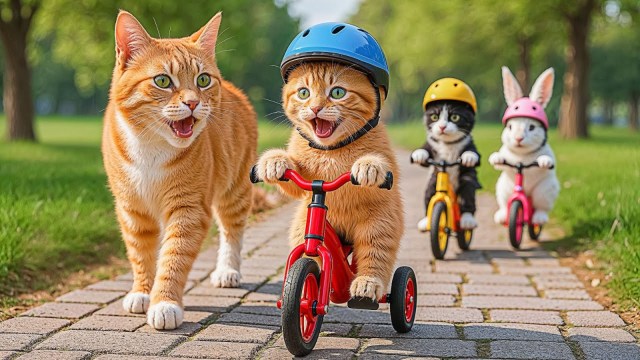 AI slop took over the internet this year. (Image Source: YouTube/MeowMama)
Merriam-Webster, the leading provider of language information for more than 180 years, has chosen “slop” as the 2025 Word of the Year. The dictionary defines it as “digital content of low quality that is produced usually in quantity by means of artificial intelligence.”
“The flood of slop in 2025 included absurd videos, off-kilter advertising images, cheesy propaganda, fake news that looks pretty real, junky AI-written books, “workslop” reports that waste coworkers’time… and lots of talking cats,” says the dictionary maker.
First used in the 1700s to describe “soft mud”, the word’s meaning shifted nearly a century later to refer to “food waste”. Over time, it further evolved to mean “rubbish” or something of “little to no value”. From workplaces to YouTube, the word “slop” has been everywhere in 2025.
Earlier this year, a report by The Guardian found that nine of the 100 fastest-growing YouTube channels were built around so-called AI slop: low-effort, AI-generated content such as cat soap operas and zombies playing football. In response, Google-owned YouTube updated its monetisation policy, requiring creators to upload “original” and “authentic” content.
A few months later, Bloomberg reported that YouTube Kids was being flooded with AI-generated videos consumed by children under the age of two. This content included a mix of real photos and videos paired with AI-generated voiceovers. AI slop has also entered the workplace. A Harvard Business Review study found that employees are using AI tools to produce low-effort work, often creating additional work for their colleagues. The study refers to this trend as “workslop.”
While major platforms such as Wikipedia, Spotify and Pinterest have taken steps to curb AI slop, other tech companies, including Meta and OpenAI, have leaned into it—launching dedicated apps that surface feeds of AI-generated videos designed for easy sharing.
AI chatbots like ChatGPT are known to have a negative impact on human minds, harming critical thinking abilities. According to a study by MIT, the technology is not only making our memory weak, but also affects cognitive depth. While it is too early to draw firm conclusions about the impact of AI slop specifically, critics warn that prolonged exposure could have negative effects, particularly for children and teens whose brains are still developing. At the same time, the phenomenon is filling the internet with everything from fake news to dubious recipes and low-quality videos.