5 min read
© The Indian Express Pvt Ltd



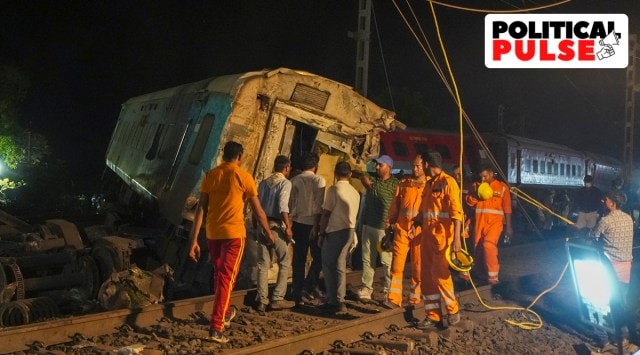 Rescue teams during a rescue and search operation after the accident involving three trains that claimed at least 261 people and left over 900 injured, in Balasore district, Odisha Saturday, June 3, 2023. (PTI Photo)
 The Odisha government’s years of investment in capacity building and procuring state-of-the art equipment to handle disasters paid off in the rescue operation following the three-way disaster in Balasore district.
It was after the super cyclone in 1999 that claimed over 10,000 lives that the Naveen Patnaik-led BJD government decided to constitute a professionally trained group equipped with emergency equipment. Thus was born the Odisha Disaster Rapid Action Force (ODRAF), the first of its kind agency in the country, predating the National Disaster Response Force (NDRF) that was set up in 2006.
The ODRAF is now the frontline responder in any disaster in Odisha, which has its fair share of them, as well as outside the state.
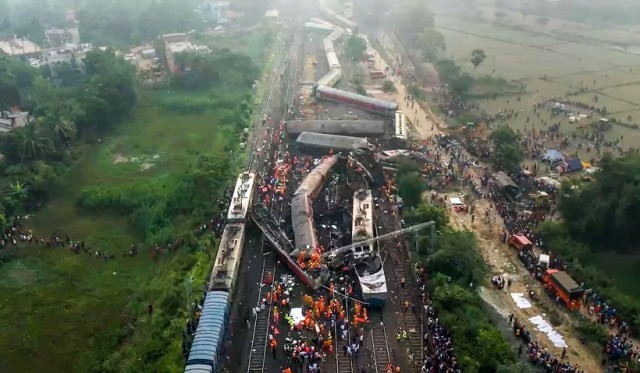
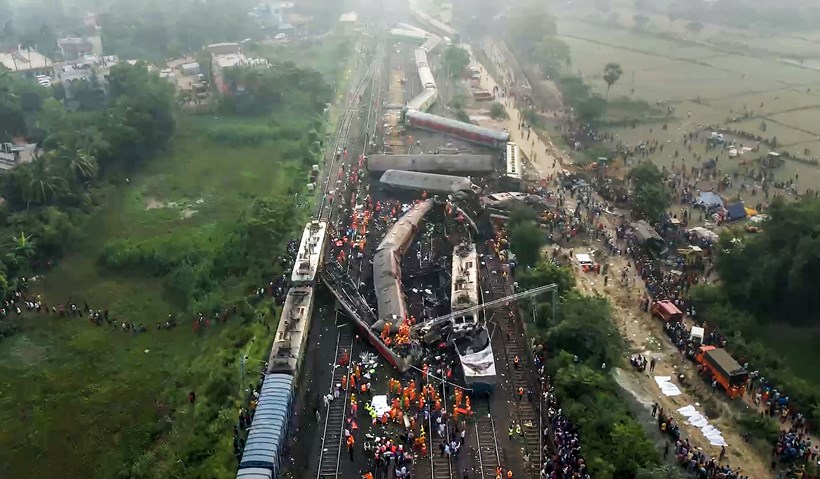
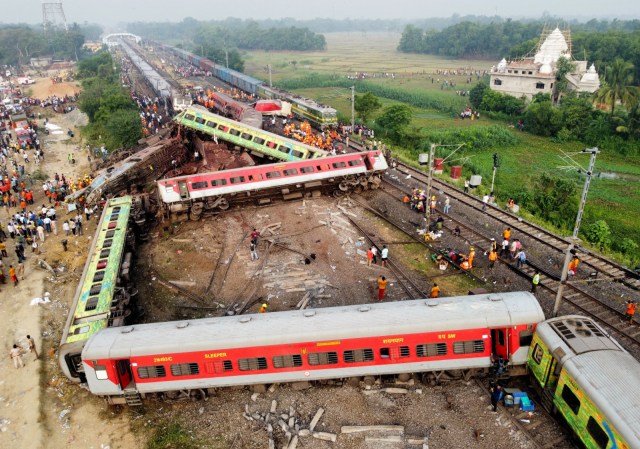
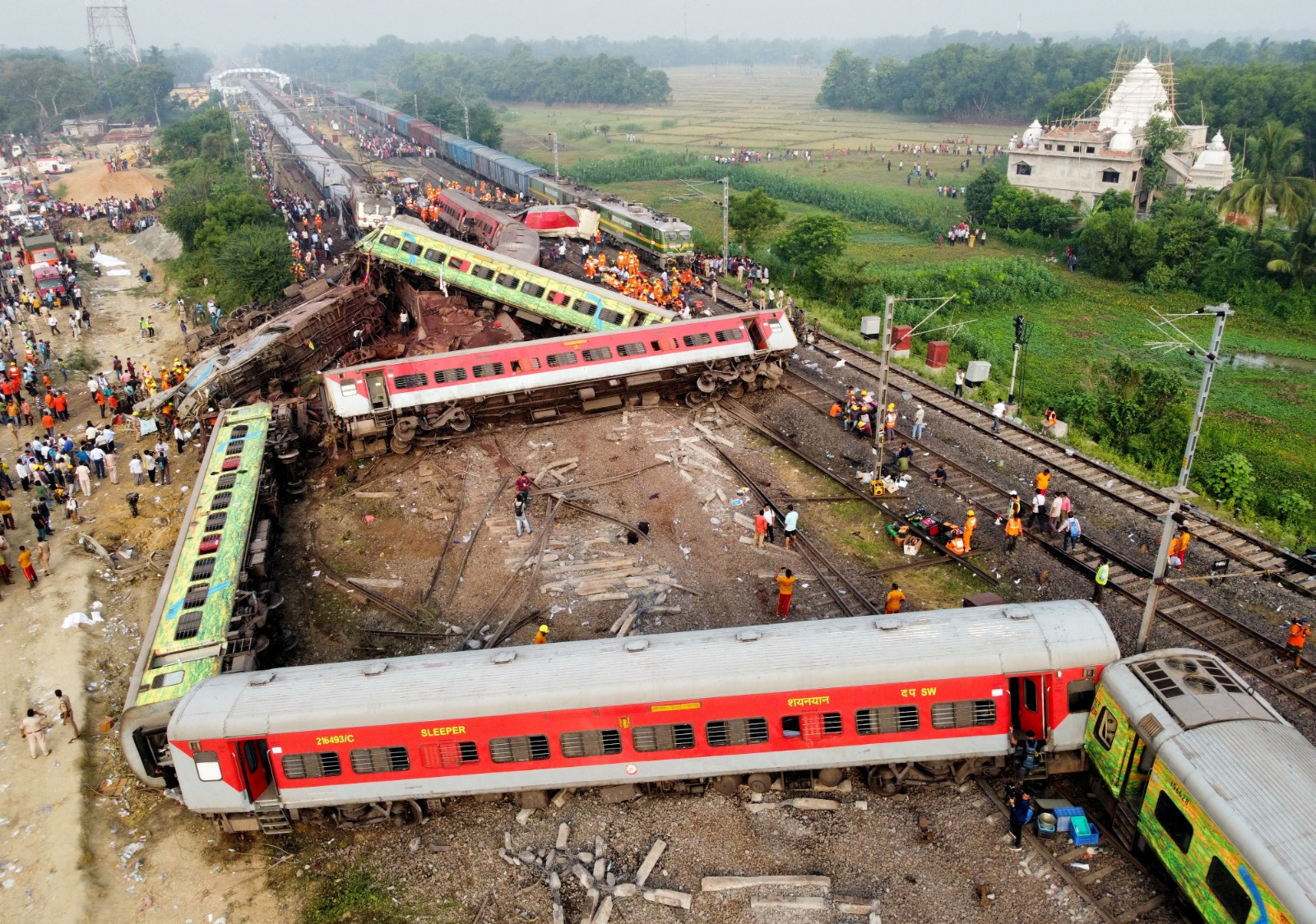
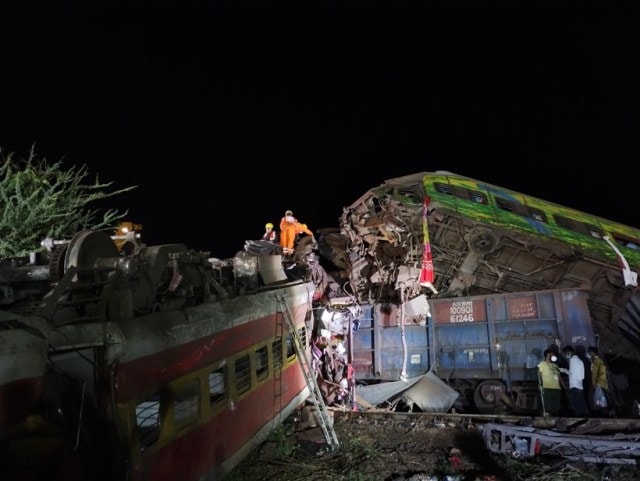
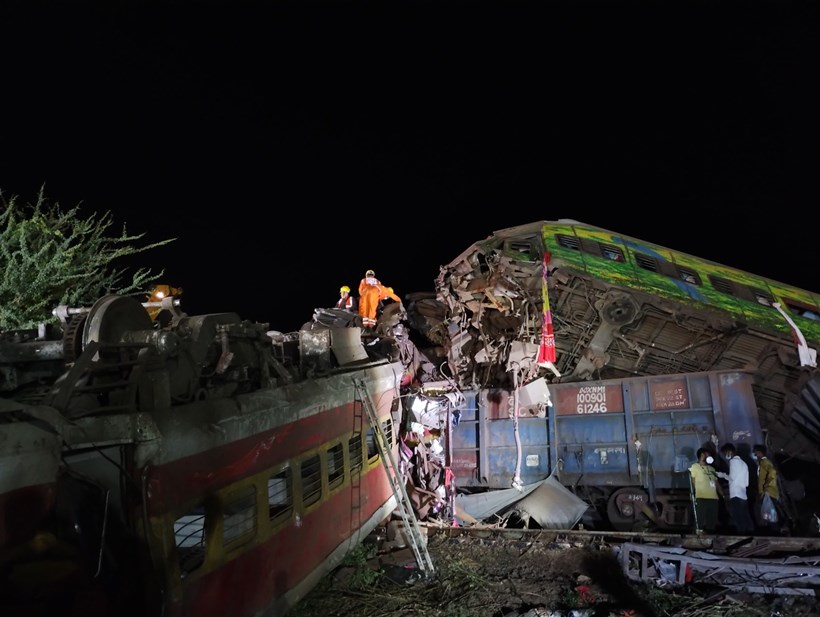
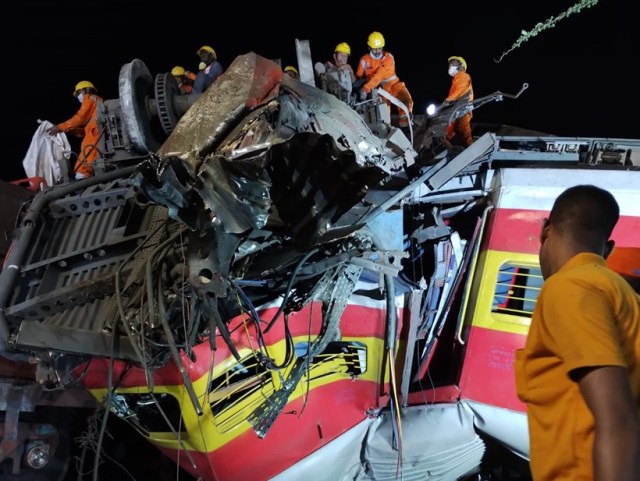
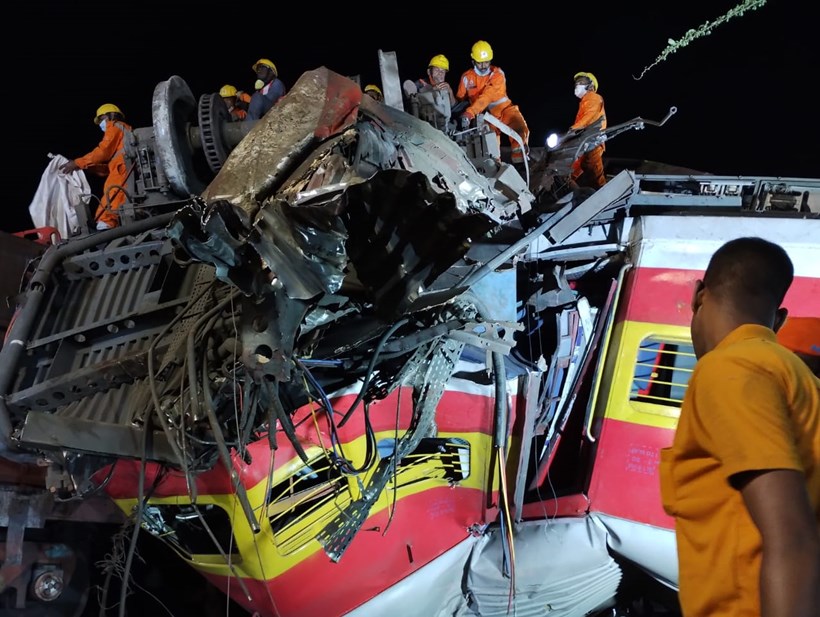
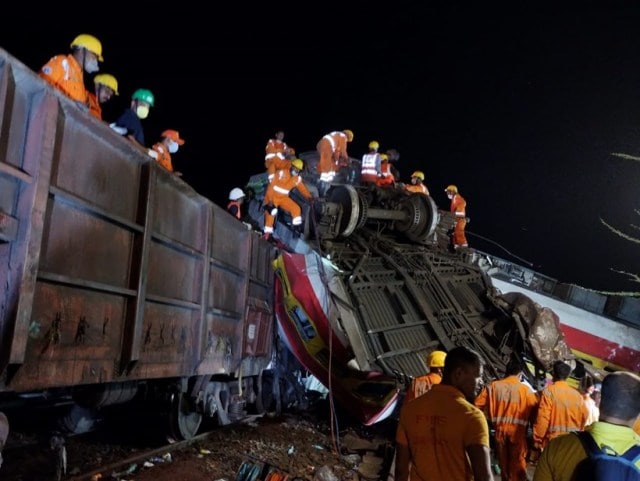
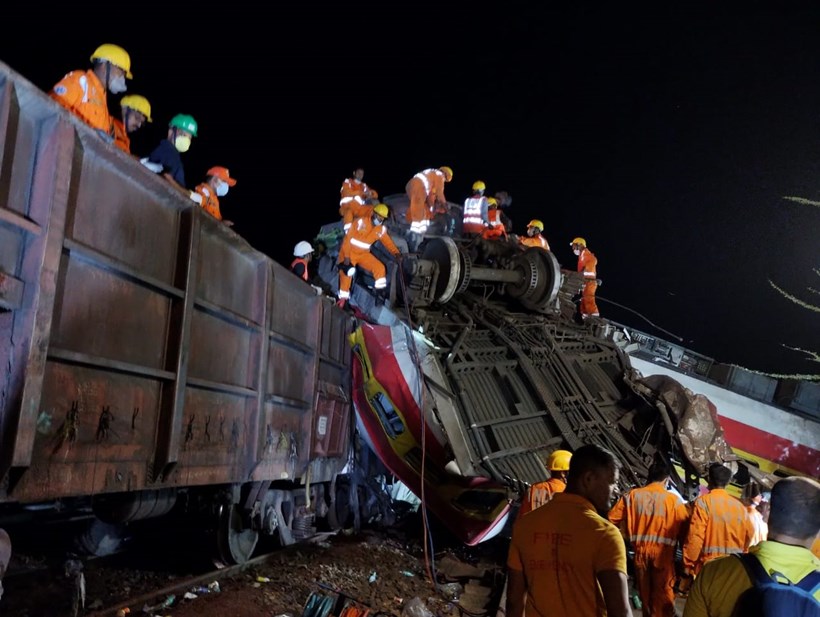
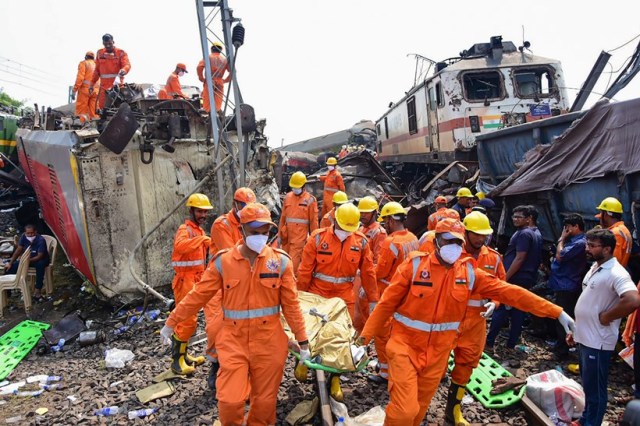
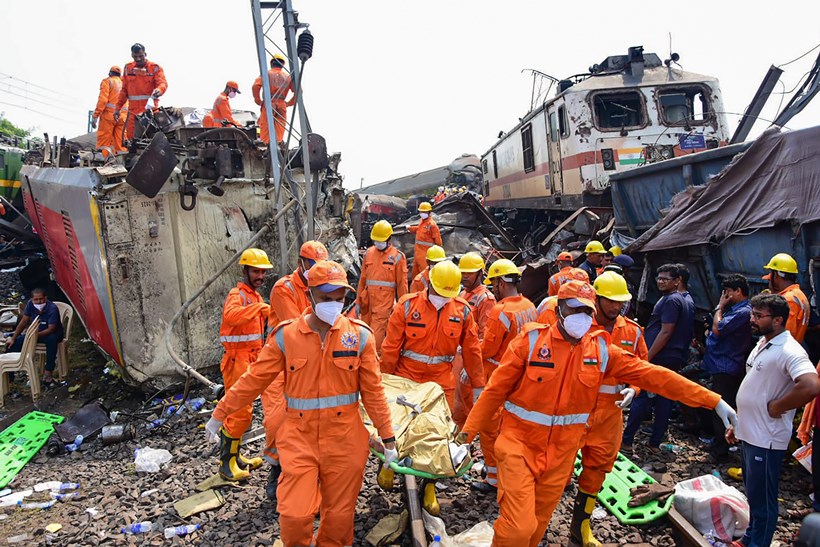
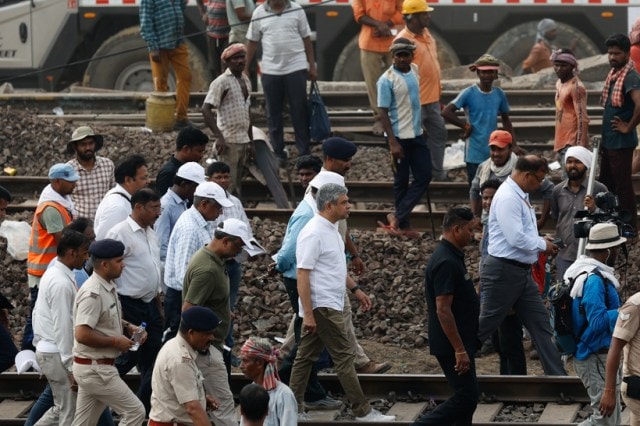
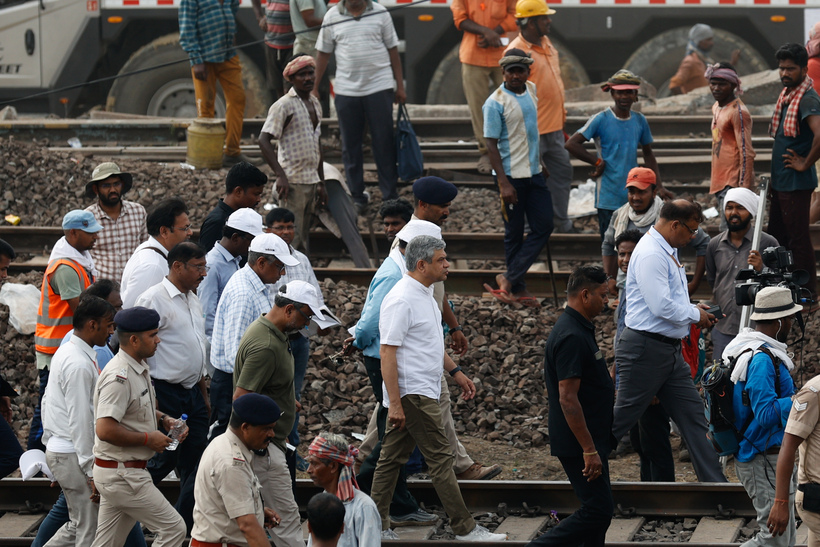

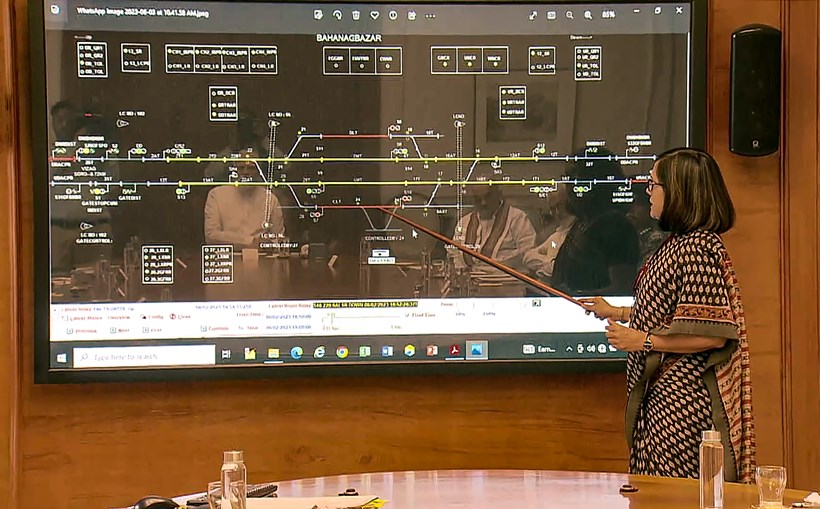
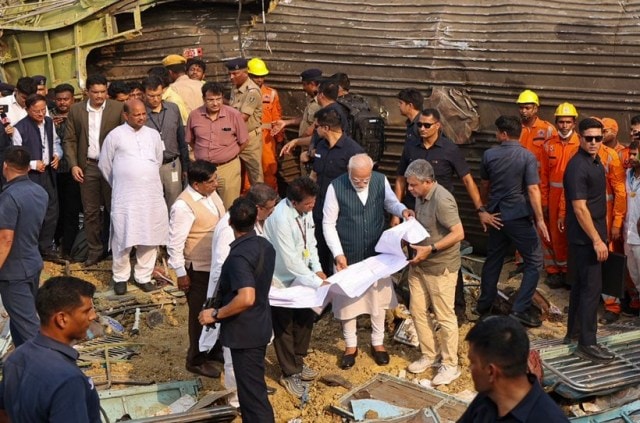
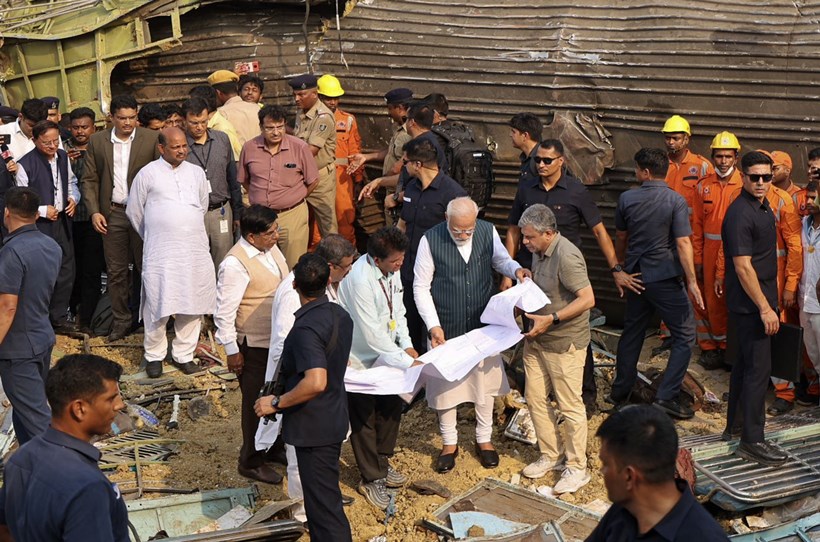

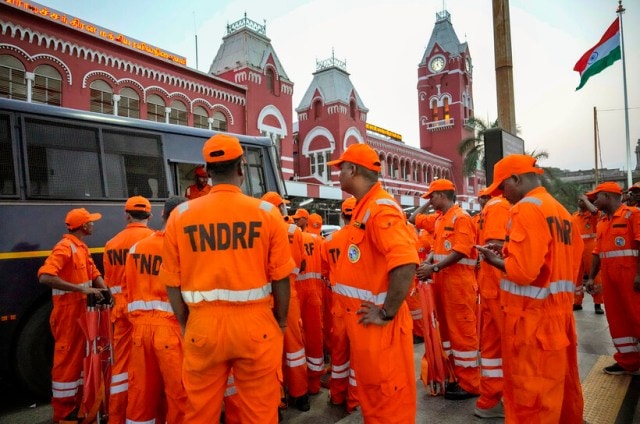
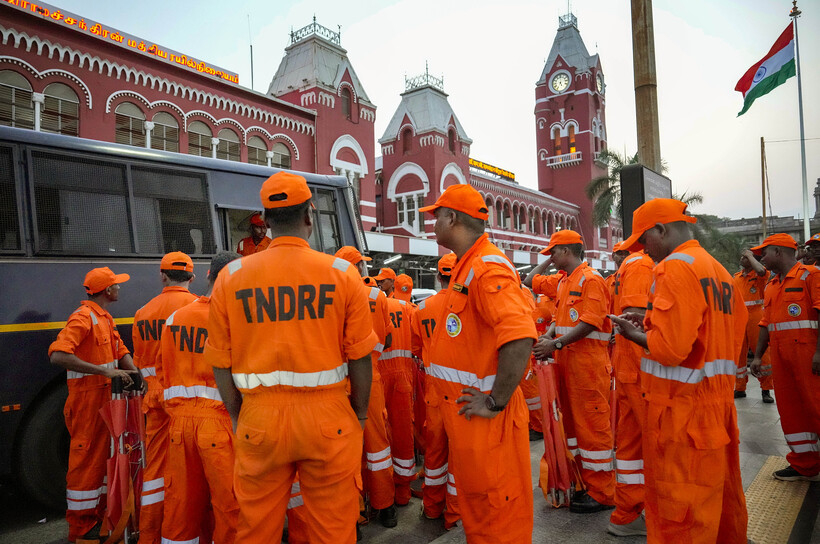
On June 2, within half an hour of the train disaster, even as the scope of what had happened was still becoming clear, a team of 30 ODRAF personnel had reached the site from Balasore and swung into action.
Within two to three hours, four more teams comprising 120 additional personnel had arrived from Kalinganagar, Baripada, Bhubaneswar and Dhenkanal, and were later joined by multiple teams of Odisha Fire Services and NDRF.
The ODRAF personnel had with them tower lights, gas cutters, plasma cutters and hydraulic spreaders.
“The death toll could have been much higher had the government of Odisha not intervened in time. The expeditious mobilisation of the ODRAF and fire service teams saved the lives of 1,200 injured,” Odisha Industries Secretary Hemant Sharma, who monitored the rescue operation on the ground, said.
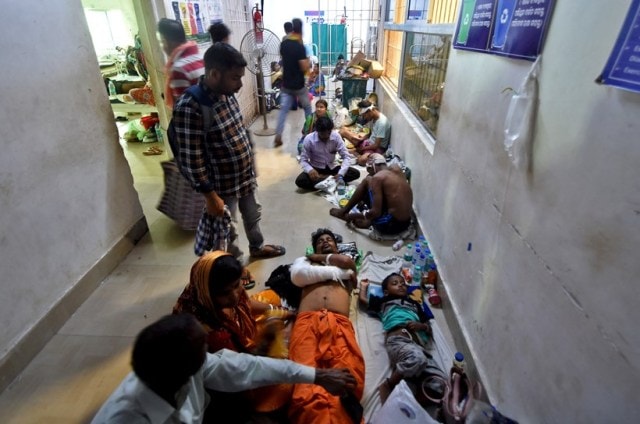
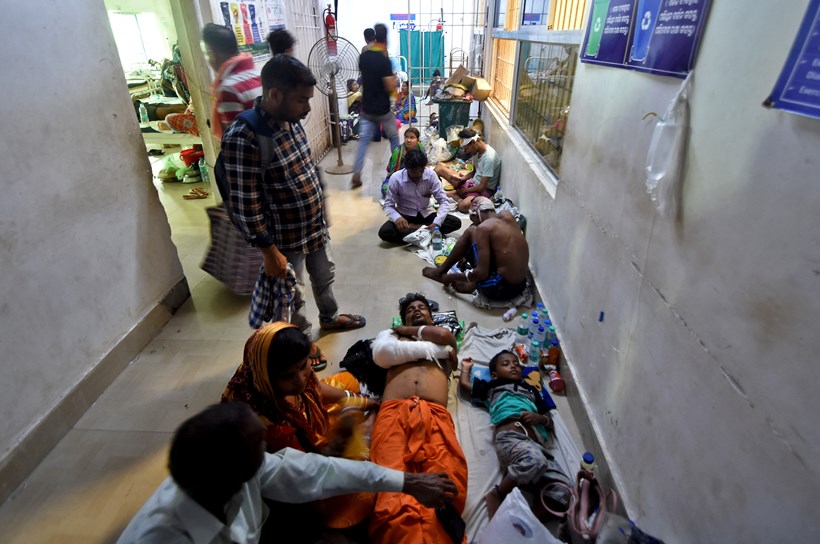
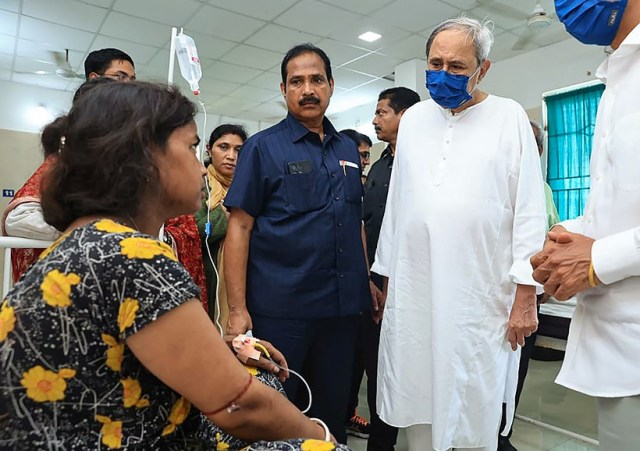
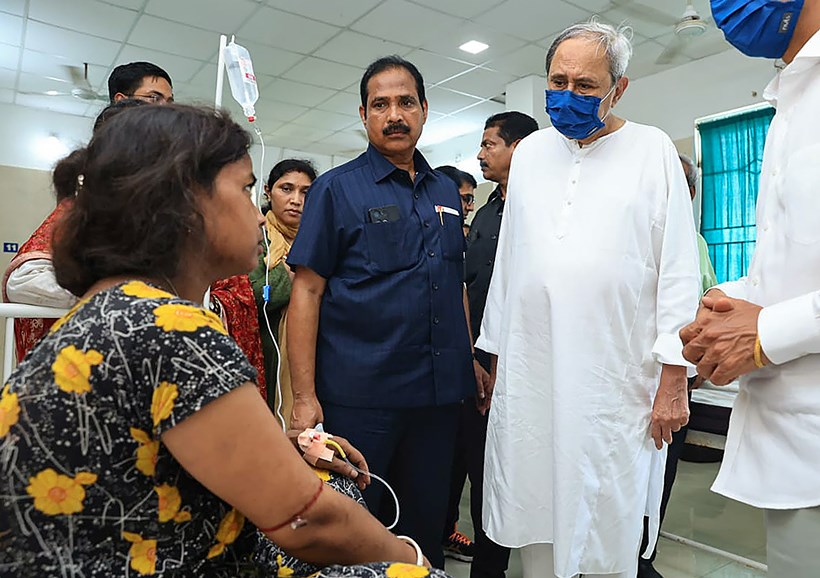
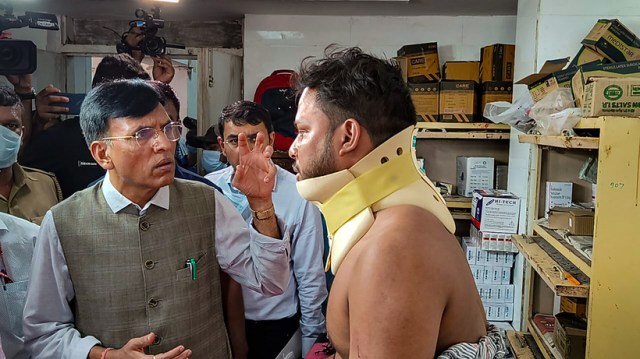
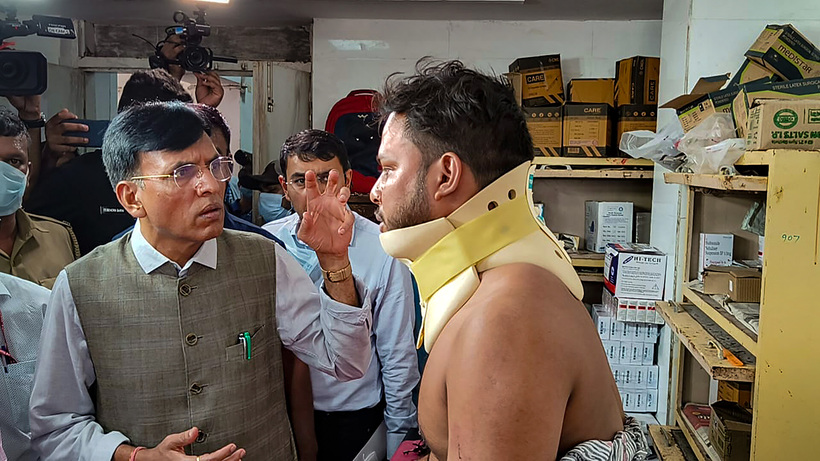
Sharma added that past experience of disasters helped plan ahead, with the necessary arrangements. With doctors, ambulances, medical staff, paramedics, essential medicines on standby, patients did not face any waiting time at hospitals, Sharma said.
When the ODRAF started out, it was with just three units in 2001, comprising personnel pulled out from the Odisha Special Armed Police, Armed Police Reserve, India Reserve Battalion and Specialized India Reserve.
It now has 20 units (50 personnel in each team), stationed in 17 different locations, with the government arming them with better training and equipment over the years. Besides, there is a special disaster management training cell near state capital Bhubaneswar to strengthen not just the ODRAF but the Fire Services and other such units.
The BJD government has ensured significant provisions in its annual state budget for disaster mitigation. In 2023-24, Rs 3,700 crore was assigned in the budget for it, up from Rs 3,210 crore in 2022-23.
Managing Director, Odisha State Disaster Management Authority, Gyana Ranjan Das said: “Even though we principally deal with natural disasters like flood and cyclone, the ODRAF and fire service personnel are trained to deal with situations like water rescue, collapsed structure search and rescue, relief line clearance, transportation, casualty management and communication.”
The ODRAF and Odisha Fire Services personnel have also been deployed for rescue operations over the years in neighbouring states, such as during Cyclone Hudhud in 2014 in Andhra Pradesh, Kerala floods in 2018, Cyclone Amphan in West Bengal and Odisha in 2020, and even Meghalaya mines rescue in 2018.
The ODRAF-led teams were credited for ensuring that human casualties were kept to the minimum during extremely severe cyclones in recent years in Odisha, including Phailin in 2013, Titli in 2018 and Fani in 2019, with millions evacuated from seaside areas.
The ODRAF and Odisha Fire Service are now also receiving training to change from a post-disaster response force to a pre-disaster preparedness agency.
Even Opposition parties acknowledge the ODRAF’s efforts. Congress leader Ganeswar Behera said its rescue and relief operations not just during natural disasters but in the recent train tragedy need to be appreciated.
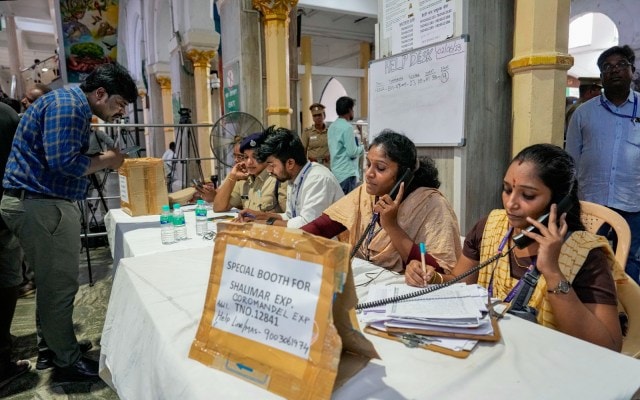
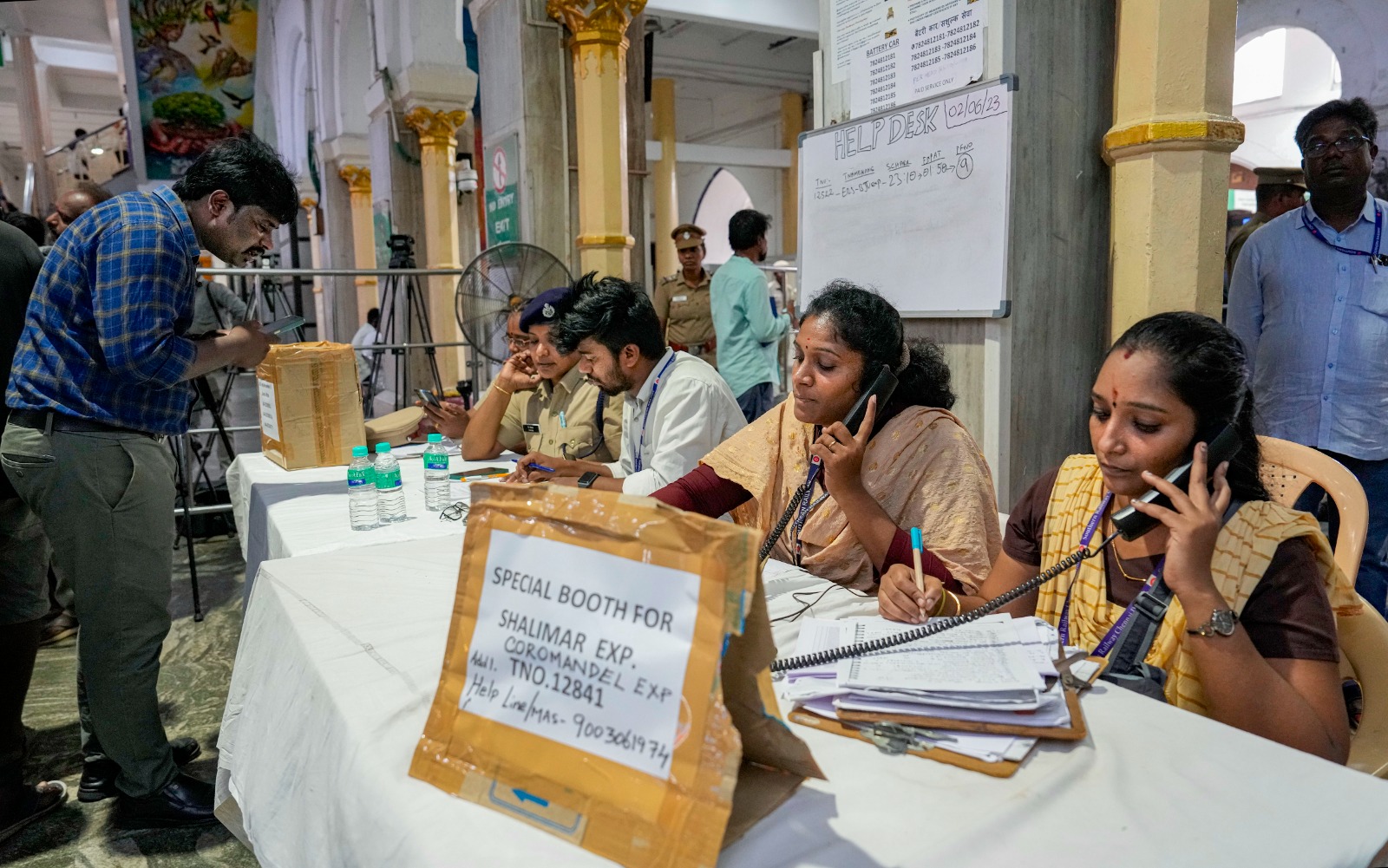
In the minutes following the train disaster, Sunil Sahu, the Deputy General Manager of the Odisha State Disaster Management Authority, who coordinated the rescue operation, said they had worked out their priority: rescue the injured, rush them to hospital, and evacuate the living from the derailed coaches.
“By 2 am,” he said, less than seven hours after the first ODRAF personnel had reached the site, “we had rescued all the injured and alive from the derailed coaches of the two trains.”
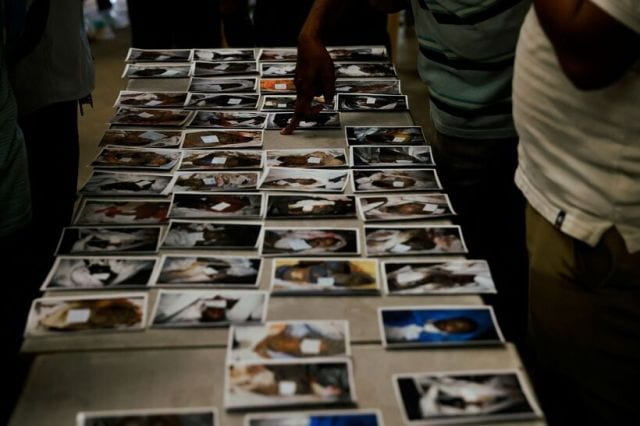
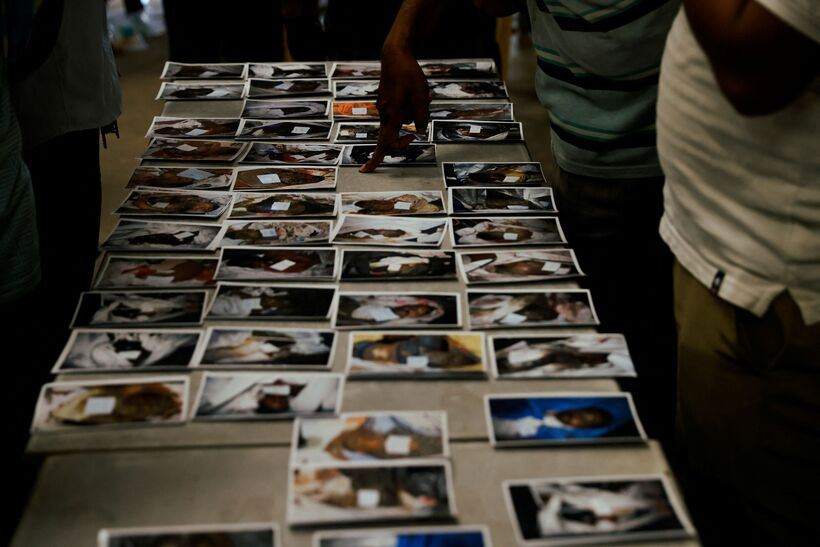
While initial fears of the death toll hovered around the 400 mark, the government would eventually put the figure at 288 of which 98 bodies are yet to be identified.