Journalism of Courage
 4 min read


 Cochlea implant
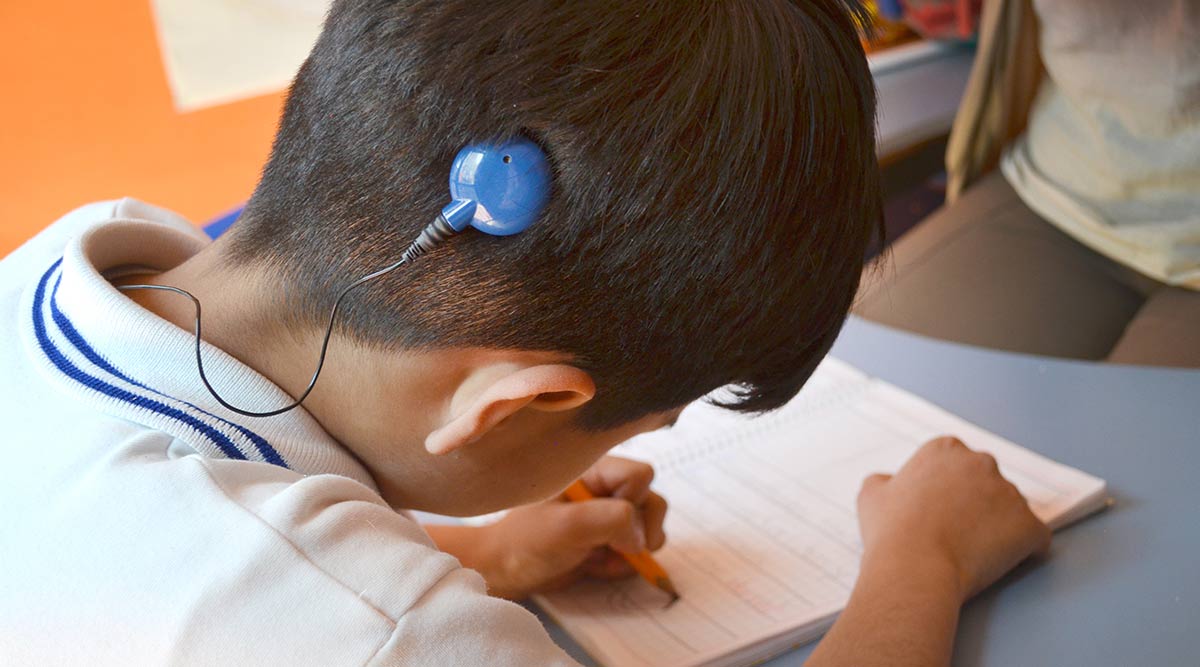
 A cochlear implant is a surgically placed device inside the cochlea. Cochlea is a snail shaped structure in the innermost part of the ear. Basically, the ear works like a phone where sound waves are amplified and transmitted to the innermost part of the ear (cochlea) where it gets converted into electrical impulse and these impulses are carried away to the brain through a nerve (auditory nerve). It’s in the auditory center of the brain (hearing area) these electrical impulses are interpreted and perceived as sound and speech.
These implants usually consist of 2 main components:
Who:
Cochlear implants are designed to help children and adults with severe to profound hearing loss who get little or no benefit from hearing aids. Even individuals with severe or profound “nerve deafness” may be able to benefit from cochlear implants.
How:
Cochlear implant receives sound from the outside environment, processes it, and sends small electric currents near the auditory nerve. These electric currents activate the nerve, which then sends a signal to the brain. The brain learns to recognize this signal and the person experiences this as “hearing”.
When:
Any person with severe to profound hearing loss in both ears can undergo this procedure. A commonly asked question is “my baby is very small can she undergo/withstand this surgery?” To answer that question – its preferable for the child to get implant at the earliest (as early as even before the first birthday) The earlier the child receives the implant better the speech and language development will be.
Outcomes of the implant surgery:
Another common question asked by the parents’ during consultation is – will my child hear and speak normally, will the surgery be successful or is there any chance that the device may fail? cochlear implant is an electrical device, which is going to serve its function i.e., stimulating the nerve fibers. The real successful outcome of the implant lies in the post operative rehabilitation which the implanted should undergo. Rehabilitation period lasts on an average of 1 year or more than that where the brain is trained to understand and process the sound. There are multiple factors which affect the learning and development of speech after undergoing an implant. Some of them are as follows
Surgical process and hospital stay:
Surgery is done under general anesthesia. It’s a micro ear surgery. There will be a small scar near the ear, most of which will not be visible outside. Hospital stay will be needed for one day and usually the child/patient will be discharged on the very next day.
Switching on of the device usually happens approximately 3 -4 weeks after surgery depending on wound healing, after which the implant is ready to use.
Cochlear implant along with proper rehabilitation is a boon for children and adults with severe to profound hearing loss who may not be benefited with hearing aid. It helps children born with congenital hearing loss to listen and speak like any other children. It makes sure that hearing loss doesn’t limit anyone.
 Dr. Leena Balachandar MS, MBBS, ENT, Consultant ENT Surgeon, Rainbow Children’s Hospital, Marathahalli, Bengaluru