2 min read
© IE Online Media Services Pvt Ltd



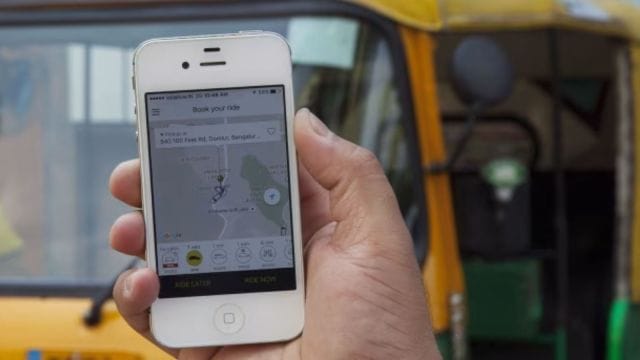 It is estimated that Lahore is home to around 30,000 transgender individuals, with the community numbering approximately 500,000 across Pakistan's population of 240 million. (File photo)
Pakistan’s transgender community has introduced its first ride-sharing service, aimed at protecting trans individuals from harassment and discrimination, the business’ founder announced on Wednesday.
The service, named SheDrives, was launched over the weekend in Lahore, the country’s cultural hub. It will cater exclusively to transgender people and women, according to the company’s CEO, Ammaz Farooqi. While the service is currently limited to Lahore, there are plans for expansion, Farooqi added.
It is estimated that Lahore is home to around 30,000 transgender individuals, with the community numbering approximately 500,000 across Pakistan’s population of 240 million. Transgender people, particularly in conservative areas, frequently face severe discrimination, including sexual abuse, violence, and even murder. Many avoid enrolling in schools or using public transport to escape ridicule and harassment. Women in Pakistan also face similar challenges when travelling alone in mixed-gender public transport.
“A unique feature of this service is that both drivers and passengers will be women and transgender individuals,” Farooqi was quoted as saying by news agency Associated Press. The vehicles will be marked with pink logos to make them easily recognisable.
Farooqi, though not transgender himself, expressed optimism about the future and hoped this initiative would foster greater inclusivity, with potential for expansion to other cities.
In recent years, Pakistan has made strides to improve transgender rights. A hotline connecting trans people with police and the Ministry of Human Rights was established in 2022, and the previous year saw the opening of the country’s first government-run school for transgender students in Multan. Additionally, a bill was drafted to allow transgender individuals to select their gender identity on official documents such as national ID cards and educational certificates.
However, the amendments have faced opposition from conservative religious groups, and human rights advocates argue that much work is still needed to ensure transgender people receive full social recognition.
(With inputs from Associated press)