
Opinion Zakir Naik’s sermons: Nothing new, so why no action till now?
The Dhaka men are not the first terrorists to confess their admiration of Zakir Naik



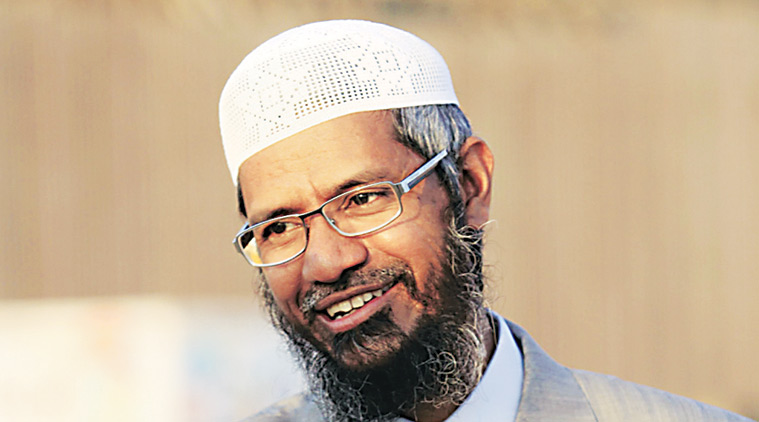 Controversial preacher and tele-evangelist Dr Zakir Naik
Not many among us have a quibble with law enforcement agencies running through speeches and writings with a fine-toothed comb for anything that may incite violence, be these by the likes of controversial preacher and tele-evangelist Dr Zakir Naik or by the usual suspects of the right-wing. So statements by Union Information and Broadcasting Minister Venkaiah Naidu and Maharashtra Chief Minister Devendra Fadnavis calling for appropriate investigations into Naik’s sermons are only de rigueur.
The aforesaid sermons by Naik, now at the centre of an international controversy after it emerged that at least two of the Dhaka attackers were inspired by him, have been around for many years, long before the Islamic State began its war. Convoluted statements on Osama bin-Laden and whether all Muslims should be terrorists have been cited previously too, at least as far back as 2010 when he was refused a visa to the UK.

The clarifications that followed were, again, precisely the same ones on offer now. Naik has claimed that the Quran forbids him from commenting on Laden whom he did not know, and that his opinion on more Muslims becoming terrorists was limited to terrorism against anti-social elements. His views on polygamy, triple talaq, rape and more are also equally well-rehearsed and oft-cited.
If security agencies would like to trawl his speeches, there is several years’ worth of material — a few thousand lectures beamed on Peace TV since about 2004 or 2005, live speeches delivered across the world, a few thousand titles by Naik and others on subjects ranging from Haj, the Quran to Islam and the media, stacked up in the shelves lining the Dongri headquarters of the Islamic Research Foundation. There are also digital recordings, of speeches by Naik and others.
[related-post]
Also, the Dhaka men are not the first terrorists to confess their admiration of Naik. Other terror suspects and detainees who have told agencies across the world that they were inspired by the English-speaking Naik include Afghan-American Najibulla Zazi who was accused of plotting a bombing of the New York subway in 2009, Dr Kafeel Ahmed of Bangalore who stormed Glasgow airport in an explosives laden car a fee years prior to that, and Mumbai’s Rahil Sheikh arrested for the 7/11 serial train blasts of 2006.
Also in 2006, the Maharashtra ATS found Feroz Deshmukh, arrested in connection with the Aurangabad Arms Haul case, to have once been an IRF employee. More recently, Indian youth nabbed as alleged IS sympathisers from across India have also mentioned viewing Naik’s sermons.
In each instance, the security agencies promised to look into Naik’s speeches for anything objectionable. It would be interesting to view these agencies’ reports of their previous meticulous study of his sermons before promising further investigations.

 Share
Share


