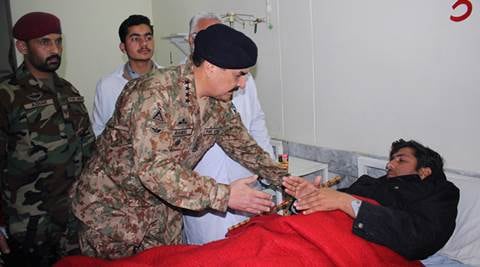

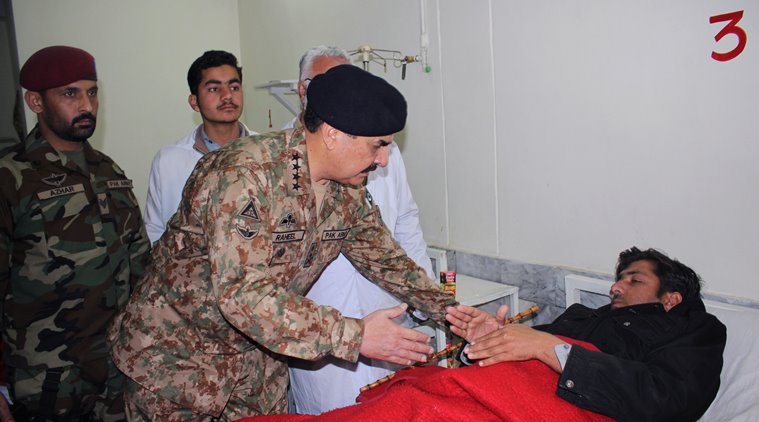
The terror attack on Wednesday at Bacha Khan University at Charsadda in northwest Pakistan — claiming 21 lives — has grim echoes of the Peshawar Army Public School massacre in December 2014. That attack may have been larger in scale, causing 150 casualties, 144 of them children. But the pattern of attack — this time from a breakaway Taliban group — is similar. Terrorists in Pakistan have continually targeted schools and colleges, reflecting the jihadis’ opposition to education, which is a force of modernisation and empowerment. It also fits in with the attempted assassination of Malala Yousafzai, who was championing education for girls in the Swat Valley under Taliban occupation. In the latest case, the Pakistan army prevented a bigger disaster. The limited damage and prompt military action at the university should hopefully serve as a deterrent for terrorists planning future attacks on innocents.
The relative failure of the terror strike, however, should not reduce its significance. The Pakistani state will have to step in and ensure that at least educational institutions are well-protected. A failure to do so is bound to have damaging consequences for Pakistan, which extends to its image internationally. That hope and optimism of a better future for students should not be allowed to be snuffed out by terrorists, which only reinforces perceptions of a fundamentally intolerant and illiberal society.


