
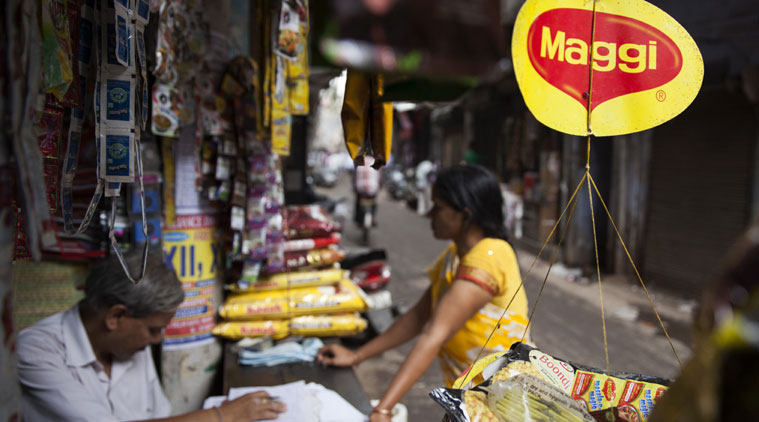
Maggi Noodles suddenly finds itself in hot water. The UP Food Safety and Drug Administration’s order to recall of 2,00,000 packets of Maggi has prompted the Food Safety and Standards Authority of India to initiate a widening probe across states, and already the Kerala government has prohibited its sale in 1,200 state-run outlets while Delhi has placed a 15-day ban on selling the product. The grim controversy acquired an unexpected dash of glamour when a Bihar court ordered FIRs against Bollywood film stars who endorsed Maggi. The merits of such a step are obviously questionable — for instance, why target the celebrity endorsers and not the publishers and broadcasters of the advertisements? It could lead to an endlessly unravelling thread of responsibility, taking down print and electronic media, websites and any other party involved in the production or publication of the ads. But that would not answer the very real concern about the safety of packaged food in India.
Two charges have been made against Nestle, which produces Maggi. First, tests have found traces of lead that exceed the prescribed limit of 2.5 parts per million. Second, samples contained quantities of monosodium glutamate (MSG), a substance proscribed in 50 food items, including “Pastas and noodles (only dried products)”. The presence of MSG is also not mentioned on Maggi packets, leaving Nestle open to charges of “misbranding”. As a wider array of packaged items comes under inspection, food companies have been nudged into action, with plans to step up communication with consumers and to increase transparency. It should not have taken a crisis to press them into accountability.


