
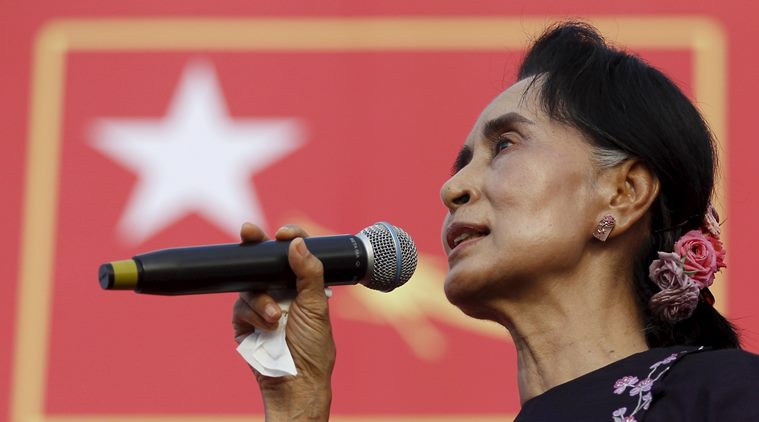
NAYPYIDAW rose from the forests, it is said, because of vision: General Than Shwe, a high school graduate and postal clerk who ruled the country until 2011, saw the Buddha appear before him, promising eternal glory if he built Myanmar a new capital. Less than a tenth of the results from Myanmar’s historic election to its 664-seat parliament are out so far, and slow counting is provoking fears of malpractice, but based on these early results, newspapers are prophesying that the general’s citadel — home of a collection of objects curated by astrologers to radiate power, like white elephants, relics of the Buddha, and a zoo with a refrigerated enclosure for penguins — will soon fall to his nemesis. Though a constitutional tripwire bars Aung San Suu Kyi from becoming the next president, since she was married to a foreigner, her National League of Democracy seems set for a landslide win. In 1990, a similar victory had provoked a savage crackdown by the generals. Now, it seems, she is finally to be rewarded for her extraordinary 25-year resistance against the military’s tyranny — which included 15 years in prison.
The truth, however, is less roseate: Real democracy will remain a distant dream in Myanmar. The country’s military will retain several key cabinet positions, including the ministries of defence, home, border security and the police. In addition, a quarter of all seats in the two Houses of parliament are reserved for military nominees. The constitution mandates that the military can take direct control of government should it deem it necessary. Perhaps most important, the military-dominated National Defence and Security Council retains decision-making powers on the most important issues facing the country: The conduct of war against the ethnic insurgencies raging across the country, the rising tide of Buddhist chauvinism, and the country’s appalling treatment of its Rohingya minority.


