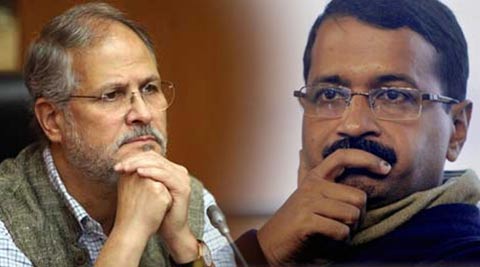

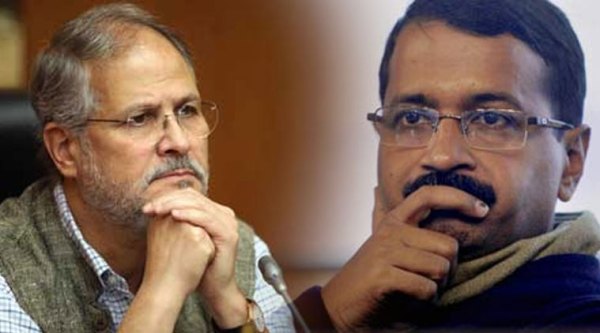
The Delhi high court has said that the lieutenant governor must act on “the aid and advice of the council of ministers” and “the mandate of the people must be respected by the LG in respect of matters which fall within the domain of the legislative assembly”. While dismissing the bail plea of a Delhi Police constable booked by the state’s Anti-Corruption Bureau, the court struck down a recent notification issued by the Union ministry of home affairs restricting the executive authority of the state government. This should have calmed the ongoing bout of
turbulence over power-sharing between the chief minister and the LG in the national capital. It hasn’t. The Centre has now indicated it will pursue the matter legally. At a special assembly session called by the Delhi government to discuss ways to limit the LG’s role in the administration, and at an AAP rally on Monday, the rhetoric remained bitter and combative.
The court may be the competent authority to interpret law, but the battle that is raging in Delhi is essentially political, not legal. It needs a political compromise or solution. Who governs Delhi is a question that dates back to the 1950s. The first chief minister of Delhi, Chowdhury Brahm Perkash, resigned over the matter and the controversy led to the abolition of the Delhi assembly. The Government of National Capital Territory of Delhi (NCT) Act, 1991, revived the assembly and provided the plan for a Delhi state. Till a new arrangement is put in place — which will need a wider political consensus — the state government and the LG must abide by the unique power-sharing arrangement designed by the NCT Act and forge a working relationship within the limits it sets. This will require both to sit across the table and resolve disagreements through dialogue. In escalating the crisis, as they have done, both Arvind Kejriwal and Najeeb Jung have shown a lack of political wisdom and judgement.


