

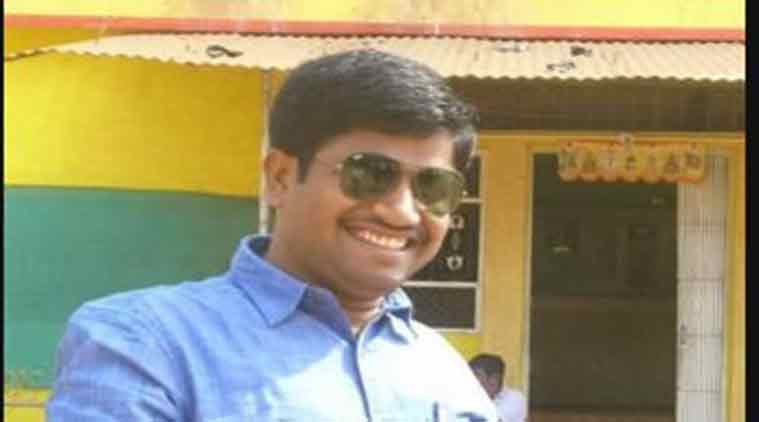
The arrest of Prabhat Singh, a Dantewada-based journalist, by the Chhattisgarh police, merely on the basis of an “obscene message” about a senior officer posted on WhatsApp, smacks of government highhandedness that can actually be counterproductive in conflict zones. This follows similar arrests of two other local journalists — Santosh Yadav and Somaru Nag — last year on vague charges of working for Maoists, which have not been proved. Equally disturbing was the case of a journalist working for Scroll.in, Malini Subramaniam, being forced to leave Jagdalpur last month, after being handed an eviction letter by her landlord. This apparently came after the landlord had himself been called to the police station and asked to do the needful. That all this was preceded by anti-Maoist vigilantes holding demonstrations and resorting to stone-pelting outside Subramaniam’s house — accusing her of being a Naxalite sympathiser — and the police taking two days to even register a complaint made the state administration’s intent all the more clear.
In all these cases, the immediate cause of concern is the safety of the individuals concerned. Singh, for instance, has alleged that he was assaulted in police custody when he was presented in a local court. Subramaniam, who had been reporting on police excesses and atrocities on tribals in Bastar for the past five years, was actually living there with her daughter. But what is more alarming about these developments is that they seem to be part of a growing trend of journalists being hounded while reporting from conflict zones. Inspector General (Bastar Range) S.R. Kalluri has gone as far as even stating, “We don’t care about the national media. You have a different way of looking at things. We work with the media in Bastar that sits with us, eats with us, and comes in helicopters with us.”


