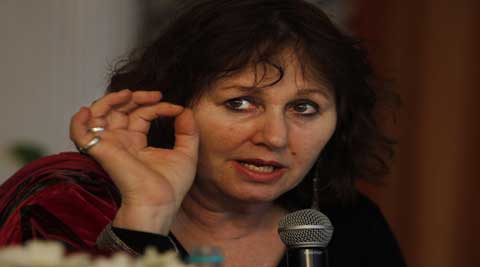

Everyone who values free speech ought to be alarmed by the legal order that prohibits us from viewing Leslee Udwin’s film, India’s Daughter. The reasons have nothing to do with the merit, or lack of it, of the documentary. It should be seen to be unacceptable that Indian media platforms have been stopped from showing a work of journalism for absolutely no reason other than that the state claims it could incite public disturbance. A Delhi magistrate, based on a hastily drafted, handwritten application from the city police, said that convicted rapist Mukesh Singh’s words could create “an atmosphere of fear and tension with the possibility of public outcry and law and order situation [sic]”. This is extraordinary reasoning. Every major work of journalism could, after all, provoke an outcry. Preemptive restrictions are unacceptable. Democracy rests on us being willing to hear out opinions we hate.
The law is unequivocal: it is the state’s duty to protect the exercise of free speech — public outcry or not. In 1989, the Supreme Court ruled on Tamil Nadu’s efforts to prohibit S. Rangarajan’s film, Ore Oru Gramathile, from being screened. The Tamil Nadu government claimed its screening would create “very serious” law and order problems across the state. But, Justice K.J. Shetty wrote, shooting down this line of argument, that the government “cannot plead its inability to handle the hostile audience problem”. “It is its obligatory duty to prevent it”, he said, “and protect the freedom of expression.”


