
The Englishman has known that his home is his castle since 1628, when Sir Edward Coke wrote it into the Institutes of the Lawes of England, the bible of common law. And he codified a belief that had been in currency for at least a century earlier. Coke’s dictum has been sadly misused by the right in several countries to argue for the right to be badly behaved at home. But, on the other hand, it also established the notion of private space as the refuge of free will, the fundamental building block of democracy. It is therefore surprising that until now, the jury has been out on the question of privacy in India, which has successfully adapted numerous English institutions to an Asian context.
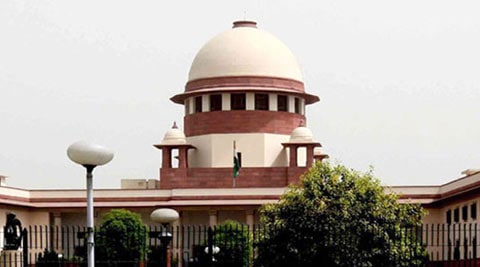
In response to Attorney General Mukul Rohatgi’s argument that two judgments by constitution benches in 1954 and 1963 had held that privacy is not a fundamental right, and that there can be no clarity on the question unless it is referred to a nine-judge bench, the Supreme Court has held that without the fundamental right to privacy, the right to life and liberty guaranteed under Article 21 of the Constitution would be meaningless. This is not the last word on the issue since the matter, in which various parties have argued that the collection of Aadhaar data is a violation of privacy, is still being heard. But the court has clearly indicated its willingness to sanctify privacy. Following his observation on Englishmen and their castles — Englishwomen did not typically own property or enjoy much free will at the time — Coke had elaborated, “…et domus sua cuique est tutissimum refugium (and each man’s home is his safest refuge)”. Hopefully, the court will enlarge on the theme.


