

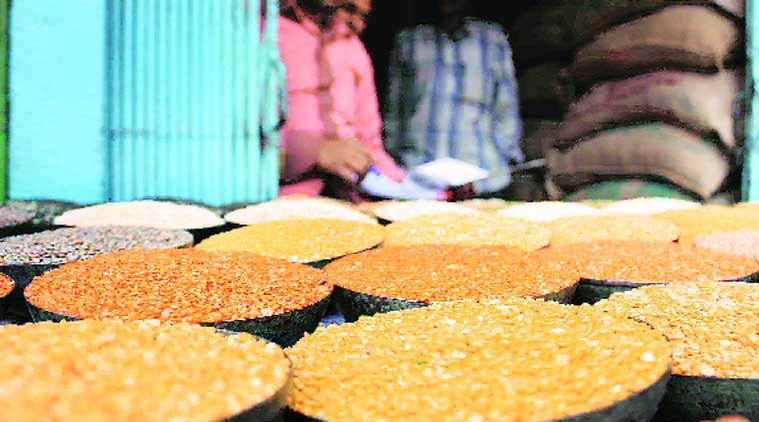
By hiking the official procurement price of chana and masur by Rs 325 per quintal, as against Rs 75 for wheat, the Centre has seemingly sought to encourage farmers to grow more pulses that the country desperately needs, as opposed to surplus cereals. But the move is too little, too late. Minimum support price (MSP) announcements, to be effective, need to be made well before farmers take cropping decisions. In this case, the declaration of a higher
MSP increase for pulses grown in the current rabi season should have been made by mid-October at the latest. Instead, it has happened only now, when rabi sowings have already crossed 8.5 million hectares.
Besides, the increase isn’t as big as it is being made out to be. The new procurement prices of Rs 3,500 per quintal for chana and Rs 3,400 for masur are way below the ruling wholesale market rates of Rs 5,000-6,000 per quintal. And given the government’s past record of actual procurement of pulses — just over a year back, chana was trading Rs 500-600 per quintal lower than the MSP — the announced official rates aren’t incentive enough for farmers to significantly expand acreages. If the Centre really wanted to create a buzz around pulses, it should have fixed an MSP of around Rs 4,000 per quintal and declared this by late-September or early-October. Since open market prices are in any case higher, this would not have had any inflationary impact. But lateral thinking of this kind would probably have been too much to expect from Krishi Bhavan officials, used to mechanical fixation of MSPs divorced from market dynamics.


In not doing so, the Centre has squandered a chance to usher in the “pulse revolution” India needs today.


