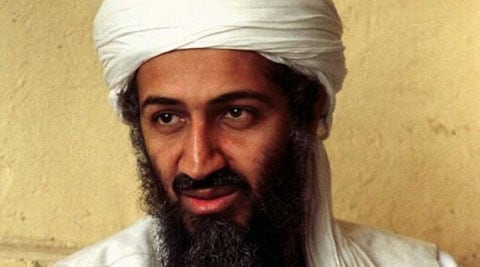

Glory,” wrote Abdullah Azzam, Osama bin Laden’s mentor, “does not build its lofty edifice except with skulls; honour and respect cannot be established except on a foundation of cripples and corpses.” The documents recovered from Bin Laden’s hideout in Abbottabad, made public by the United States this week, makes it imperative to contemplate those words with seriousness.
Four years after Bin Laden’s death, the cause he fought for — a world ordered by the will of what he took to be the mandate of god, not corrupt human power — has flowered. In large swathes of West Asia, jihadist groups, some fathered by al-Qaeda and others independent of it, wield more power than Bin Laden could have imagined as he planned the savagery of 9/11.


The Abbottabad documents will, without doubt, also fire new research for years to come. The documents debunk claims that Bin Laden had become, in his last years, a cantankerous irrelevance. Instead, they show he was plugged into the jihadist movement until the very end, helping al-Qaeda negotiate the infinitely complex challenges of armed struggle in the region and beyond. The documents also contain a wealth of intimate detail on Bin Laden and his family, ranging from mundane concerns about finance to a slain son’s love for his wife.
In the years after his death, as the the scholar C. Christine Fair has noted, Bin Laden has emerged as a “kind of Che Guevara of the jihadist movement”, an icon important not so much for the operational role he played, but for being an inspirational figure who could fire the imagination of young Islamists. The sheer ambition of the Islamic State, the endless war of attrition that jihadist groups are waging in the Sahel, the flowering of new Islamist armies from Libya to India — for these, Bin Laden can take credit.
For democratic movements in the region, as well as the states which support them, the lesson is a simple one: resisting the great tide of religious right wing triumph will take long-term commitment. The killings of individual leaders, or even the levelling of Islamist armies, are at best tactical successes. Democracy and republicanism have to show they can deliver a better world — or risk being overturned.


