
Opinion New kind of cool
Ornette Coleman, saxophonist extraordinaire, revolutionised the shape of jazz to come
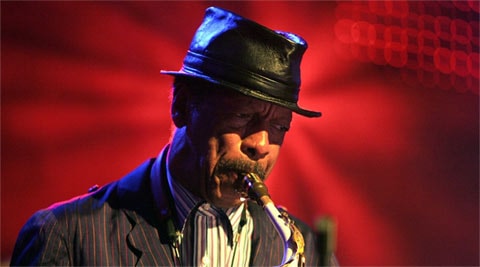


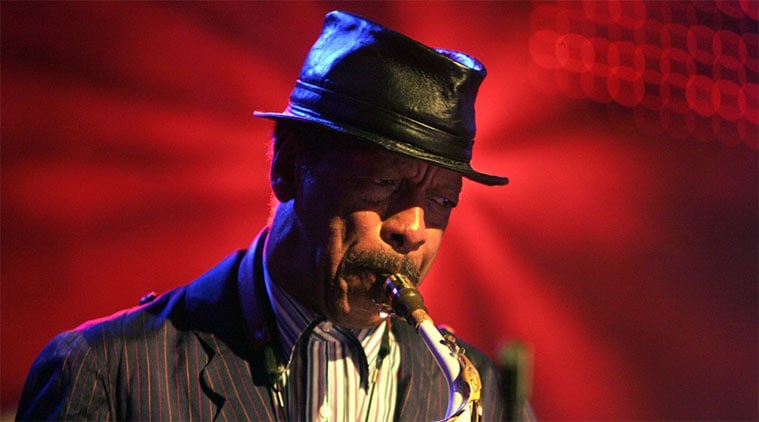 Saxophonist Ornette Coleman. (Source: Reuters photo)
Fellow iconoclast Lou Reed said of Ornette Coleman, the brash and brilliant jazz pioneer who died on Thursday: “When you talk about someone speaking through their instrument, that’s Ornette. He changed everything.” When he burst onto the New York stage from Texas by way of Los Angeles, Coleman took the prevailing style developed by Charlie “Bird” Parker, bebop, and turned it into something of a provocation. It was the musical equivalent of the Armory Show that shocked America in 1913 with its “insane” experimental art. In November 1959, when Coleman debuted the first of a string of shows in New York’s Five Spot Cafe, critics and audiences were stupefied, split on whether they were listening to a charlatan or an eccentric genius.
Coleman’s music was so controversial and confounded so many because the type of jazz he innovated, “free jazz” as it was dubbed, took the form’s shibboleth, improvisation, to chromatically exotic territory. Parker and Dizzy Gillespie’s imaginative phrasing still adhered to the underlying musical structure of the composition, even though bebop had freed musicians, especially soloists, from the swing beat that dominated in the 1930s by allowing them to ignore traditional rests. Coleman pioneered a style that wasn’t limited by standard rhythms or harmonies, or even tonality, birthing a new kind of cool.

Free jazz felt formidable and inaccessible because it sometimes aspired to dissonance and sought to strip away the familiar formal and technical architecture that overlay a composition. But, contrary to its early reputation as hard work and its later canonisation as radical art, it was also catchy and raucous fun. Coleman liberated jazz from the danger of collapsing into a single, rigid vocabulary, just like fellow saxophonist John Coltrane, and the intense, breathlessly exciting 12 minutes they jammed together in 1961, are a snapshot of the dizzying, joyful musical conversations made possible by jazz.
 Share
Share


