
Opinion Hothead nation
India’s denial of psychological dysfunction is incubating a violent society.


 In a country which lives in permanent denial of mental disease, this must be welcomed as a radically progressive step.
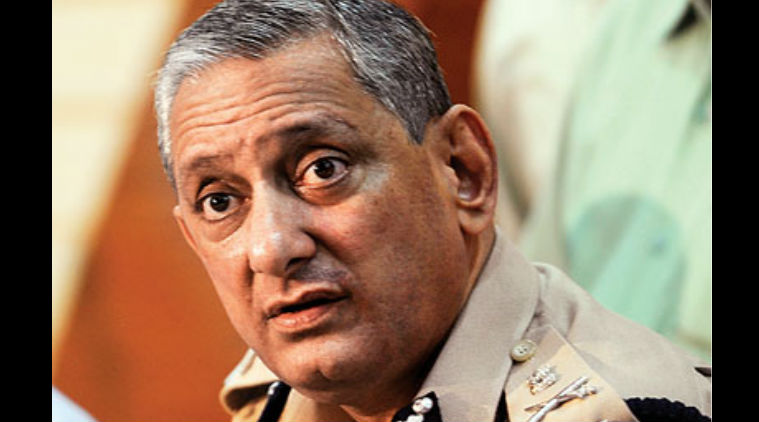
A week after an altercation over a minor administrative matter at Vakola police station in Mumbai ended in a murder and suicide with a service weapon, city police chief Rakesh Maria has led by example, joining the first batch of 250 officers to undergo a psychological survey. In a country which lives in permanent denial of mental disease, this must be welcomed as a radically progressive step. Especially since the questionnaire includes taboo questions such as whether the respondent has memory blackouts due to alcohol abuse, which we do not ask for fear of rending a too-delicate social fabric.
The day the Mumbai policemen took these tests, a constable and a woman two-wheeler driver exchanged brickbats in Delhi in a bizarre incident. Government buses were off the roads that day, protesting the death of a driver in a road rage incident in which the assailant was encouraged to commit a capital offence by his mother. Such extreme incidents make headlines, but most violent behaviour remains under the radar, since it occurs in situations and contexts — especially the domestic space — where there are no public observers. The violent society is now all around us, and it is essential to acknowledge it and bring it above ground, or it will continue to do surreptitious damage.

Mental health must become an intrinsic feature of public health programmes. However, we must be wary of medicalising trivial deviations from behavioural norms, as some countries tend to do. There can be no single normative standard in a multicultural society, where a diversity of practices and ethical beliefs flourish. However, it would not be unreasonable to insist on a common minimum standard — a society which has zero tolerance for random violence, which is being seen in far too many situations.
 Share
Share


