
Opinion Graceful fighter
Martin Crowe set the template for Kiwi cricketing sides of the future.
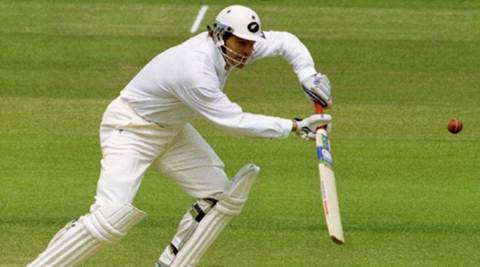


 Martin Crowe made his international debut at the age of 19 in 1982. (Source: Reuters File)
Nearly four years after he was diagnosed with lymphoma, and after a stoic battle, talismanic former New Zealand skipper Martin Crowe passed away in Auckland, aged just 53. Since being detected with the terminal condition, Crowe had withdrawn almost exclusively from public life — he was a sharp thinker of the game, an insightful commentator and a delightful writer — though he had the will to pen a touching tribute to his compatriots ahead of the World Cup finals against Australia. As if foreseeing the end, he had written: “My precarious life ahead may not afford me the luxury of many more games to watch and enjoy. So this is likely to be it. The last, maybe, and I can happily live with that.” And so it was.
He perhaps would have been happier if his countrymen had delivered the World Cup, but the tragic streak was an ever-present theme of his life and career. In the 1992 World Cup semifinal against Pakistan, he had shepherded his side until that point. But as luck would have it, he pulled his hamstring in that match, and despite batting through pain for a nonchalant 91 off 83 balls, he was confined to the dressing room, helplessly watching a chubby teen from Gujranwala announce himself on the big stage.

Crowe set the template for future Kiwi sides — not the most talented bunch but one that always exceeded its limitations. You could find those elements in Brendon McCullum’s men who fell in the final of the last World Cup. But it was his batting that’s the biggest legacy to New Zealand cricket. The body of numbers, by modern standards, is not what you call staggering — 5,444 Test runs at 45.36 and 4,704 ODI runs at 38.55. But if you have seen him bat at least once, you wouldn’t forget the insouciant grace of his strokes.
 Share
Share


