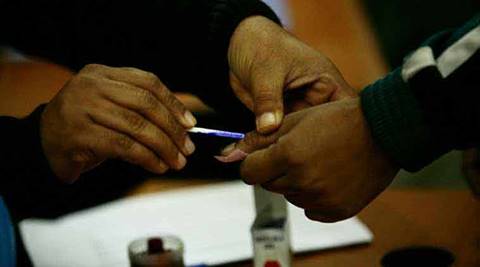

State elections have a logic of their own and rarely follow any national pattern. The five states that go to polls beginning February 5, have dissimilar political histories and voter concerns. However, the outcomes are likely to influence the national discourse and the political fortunes of the two national parties, the Congress and the BJP. A third party, the AAP, has invested heavily in two states that head to polls on February 5 — Goa and Punjab. A good show could energise the party to present itself as a national alternative to the BJP and the Congress, a project it launched in the 2014 general election with disastrous results.
The crucial state, of course, is UP, where the BJP is eying office after 14 years. At his Lucknow rally on Monday, Prime Minister Narendra Modi asked voters to trust him and sought an absolute majority for the BJP. In the 2014 general election, the BJP won 71 of the 80 Lok Sabha seats with over 40 per cent votes. That election was fought as a vote for Modi as PM. Voters differentiate between elections and local factors have a significant influence on assembly election outcomes. The fragmented anti-BJP political space in UP and the presidential-style pitch of the Modi campaign helped the BJP in 2014. The political space remains fragmented, but it may not be sufficient to turn the tide in the BJP’s favour. In fact, a leader-centric campaign could work to the advantage of its primary rivals, the Samajwadi Party and the BSP, which have charismatic chief ministerial candidates and strong organisational netwrok. The challenges are different in Goa and Punjab, where the BJP will need to defend its record in government; the AAP is the unknown variable in these states and is likely to decide the outcome. Uttarakhand and Manipur, where the Congress holds office, will see the party face-off with the BJP. The Congress has been on a losing wicket since its 2014 debacle. The party needs to do well in this round of elections to reaffirm its position as one of the poles of the national polity.


