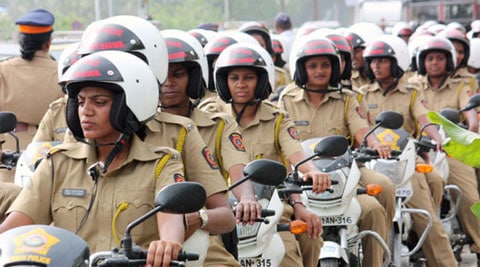

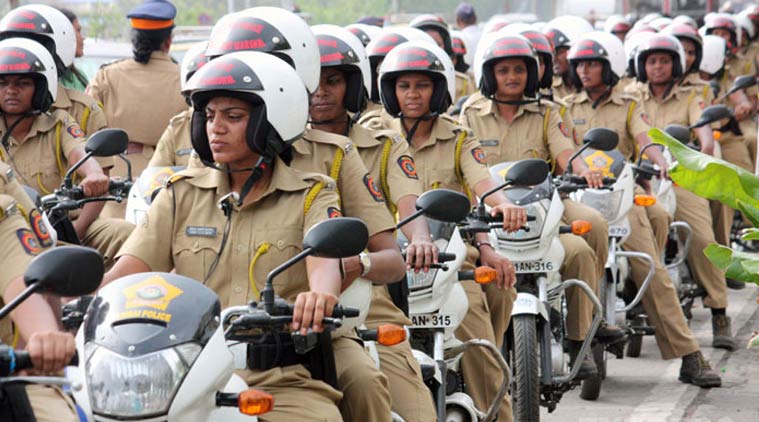
A recent study by the Commonwealth Human Rights Initiative has drawn attention to an imbalance: Women make up nearly half of India’s population, but only a little over six per cent of the police force in the country. Twelve states have an affirmative action programme in place to ensure that at least 30 per cent of the personnel are women. Yet, only in three states has the percentage moved into double digits — Tamil Nadu at 12.42 per cent, Himachal Pradesh at 11 per cent and Maharashtra at 10.48 per cent. Chandigarh with 14.16 per cent female presence in the force is the leader among Union territories, while Assam, with less than one per cent, provides the worst example. This situation needs to change to ensure gender parity in a crucial public service and to raise the quality of policing itself.


However, affirmative action alone is unlikely to help raise women’s presence in the police. As the study by the Commonwealth Human Rights Initiative also points out, their role in the force itself should be reconceptualised and necessary changes brought in in recruitment, retention and promotion policies as well as service conditions to make policing an attractive career option for women. Mindsets and attitudes within the force will also need to change. Gender segregation should be actively discouraged and women personnel must be made part of all aspects of policing, including crime investigation.


