

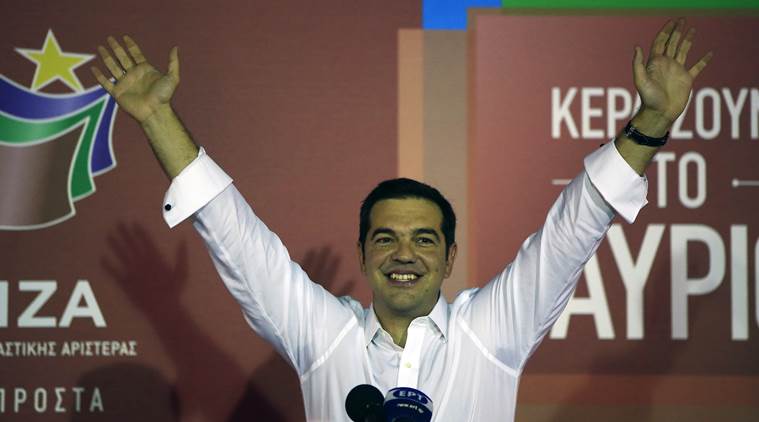
With Syriza’s return to power, Greek voters have put their faith in Alexis Tsipras. He is their leader of choice to steer the country through negotiations with creditors. That the same coalition — Syriza and the rightwing Independent Greeks — is back in the saddle, eight months after elections had brought in the first radical left Syriza government, shouldn’t blind one to Tsipras’s electoral gamble after losing his majority in August. More than a third of far-left Syriza MPs had then revolted against his U-turn on austerity and acceptance of the new bailout conditions. None of those MPs has been re-elected, with their breakaway party failing to obtain a seat in the Hellenic Parliament.
For Tsipras, however, the harder battles lie ahead. The new government’s first challenge will be to convince creditors that Athens is meeting the terms of the latest package. That possibly implies still more austerity for Greeks, with further cuts in pensions and wages, doubling of income tax and scrapping of fuel subsidies for farmers. Tsipras will also have to work with the EU for recapitalising Greek banks and lifting capital controls. Other necessary reforms include privatising more than 50 per cent of the state electricity network. At the same time, Syriza’s seat share has fallen and its coalition now has a thin majority.


