
Opinion A tax too far
Courts have been at the forefront of the environmental protection effort. But truck levy veers into executive domain.
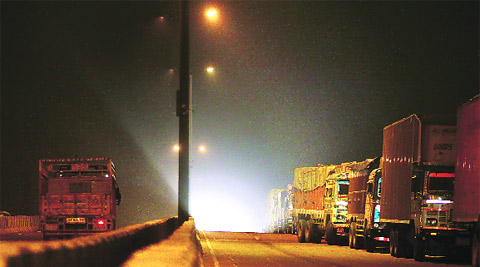


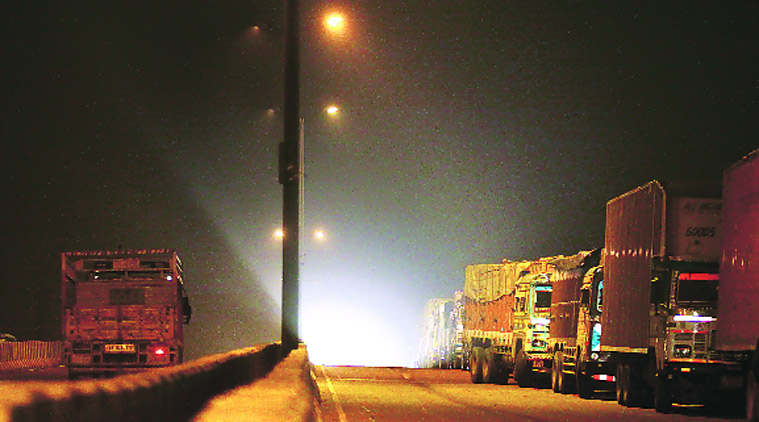
Prodded into action by Delhi’s worsening air quality and pollution, the Supreme Court last week approved the imposition of a green tax on commercial vehicles entering the city. A bench led by Chief Justice of India H.L. Dattu modified the National Green Tribunal’s October 7 order, which had proposed that this “environmental compensation charge” be levied on top of the municipal tax paid by such vehicles. But while the courts have been at the vanguard of the movement to reduce pollution and nudge the government into taking action to improve environmental indicators, the raising of new taxes by the judiciary runs the risk of trespassing into the executive’s turf.

It is, of course, not difficult to see why the courts might feel compelled to act. The WHO has deemed Delhi the most polluted city in the world. A spate of studies has chronicled the catastrophic effects of air pollution on public health. Air pollution is already estimated to be the fifth-largest killer in India. Another study calculates a dramatic loss of 3.3 years from life expectancy at birth. Most alarming was the Chittaranjan National Cancer Institute’s finding, that almost half of the children between the ages of four and 17 in the capital are growing up with irreversible lung damage. Earlier this month, the CJI lamented that his grandson “looks like a ninja” because of the mask he is forced to wear due to Delhi’s poisonous air.
Central and state governments have failed to mount an adequate response. Back in April, when concern over ambient air quality in Indian cities was at its peak, Prime Minister Narendra Modi launched a national air quality index. Yet, little appears to have happened since. The courts have previously filled the vacuum when dithering governments failed to discharge their duty. But taxation is not a judicial power, and the courts should explore other means of compelling the government to act.
 Share
Share


