
Towards the end of 2013, India was in a very despondent mood. The future looked bleak and no clear road forward was visible. Most people were expecting another coalition government, probably led by the BJP. But there were doubts that such a government could provide effective leadership. This changed completely when the BJP secured an absolute majority and Narendra Modi became prime minister. Most people’s expectations soared to entirely unrealistic levels. Modi was expected to perform feats of magic. His first-year performance has to be seen in that context.
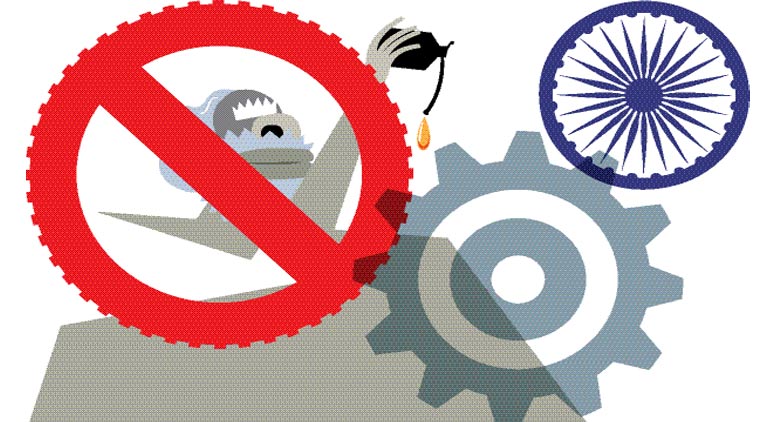
This is the first government in India’s history that has clearly enunciated the importance of manufacturing for the inclusive development of the country and the generation of jobs for young people with aspirations. This itself is a major change of policy and of vital importance to our future. Action is being taken to make “Make in India” a reality. Doing business is becoming easier and the process of making manufacturing globally competitive is under way. A lot still has to be done to change the work culture, policies and attitudes created by decades of socialist ideology and the licence-permit-control raj. State governments have a leading role to play in this task and should not treat industry as merely a means to subsidise other sectors of the economy. Infrastructure has to be improved, and the importance of manufacturing and entrepreneurs recognised. Captains of industry, for their part, need to appreciate the political and social conditions in the country and generate trust that they are interested in nation-building and will work towards that. They need to develop a productive work culture in their industries. They cannot rely on the Central government alone to make manufacturing in India globally competitive. The automobile industry has shown that this can be done.


The prime minister, by starting the cleanliness campaign, has made us aware of our past failings. The drive to build toilets, especially for girls, is commendable. This programme is moving forward and we, as citizens, have to keep the momentum going.
Achievements in our external relations are visible for all to see. We have built better relations with all our neighbours. Modi has developed a personal rapport with the heads of all the leading global economies. International interest in India is perhaps at an all time high and will result in large investments in the near future.
Still, some areas remain to be tackled. The willingness of civil servants to take decisions is one. The proposed amendments to the Prevention of Corruption Act, 1988, should remove a major barrier. Assessments of performance and promotions of civil servants should be based on how well programmes are executed and their outcomes, not on how perfectly paperwork is done and a lack of mistakes.
Political funding is also a major area of concern. The expenditure limits for elections need to be made more realistic, and fundraising should be transparent. A strong audit system for all expenditure should be instituted. Respect for laws and rules needs to be restored. This requires effective and fair enforcement, irrespective of a person’s position or wealth. We cannot become a leading manufacturing nation if we have a culture of violating laid-down rules, processes and systems.
The writer is chairman, Maruti Suzuki India Ltd.


