
Opinion In India’s cooperative boom, women need to be at the centre, not the margins
The share of women’s cooperatives in India is just about 2.5 percent and more than half of those are dormant. Can 2025, the International Year of Cooperatives, provide the impetus for transformation?
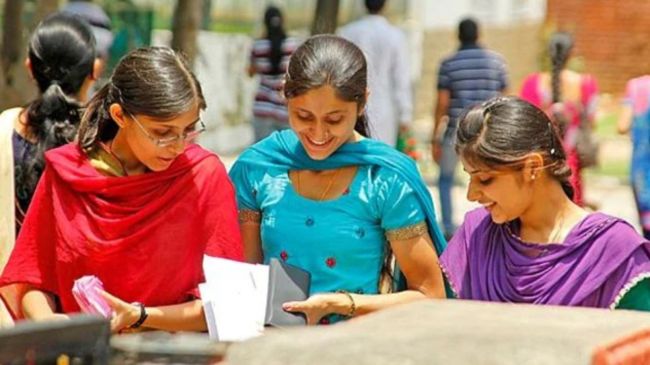 Cooperatives, by their very model of being people-centred enterprises, owned and controlled by members and based on their economic and social needs, are suitable for women, who face a higher threshold to enter the economy globally. (Express file photo)

Women have been written out of the history of cooperatives in India. While the formal history of cooperatives is more than 100 years old, dating back to 1904, when the Cooperative Credit Societies Act was passed in pre-independent India, the practice of cooperation and cooperatives’ activities is considered more than 1,000 years old in the country. There are many documented examples from all parts of the country of resources like food grains or funds being pooled by groups to lend to members, who included men and women. Women were integral to kuries and bhishis, the earliest forms of chit funds, which originated in the Malabar region of Kerala and in Kolhapur in Maharashtra. Women formed the groups, managed finances and distributed funds. Those women who could not contribute funds contributed grains by saving a fistful of rice from every meal. However, women’s contribution to these ancient cooperative practices is a footnote that has barely been examined.
This may explain why women are relegated to the margins in modern cooperatives. There has been a renewed focus on cooperatives since the Covid pandemic and rising global challenges like climate change and conflicts, which have drawn attention to livelihoods and the need for inclusive growth and sustainable development amidst economic uncertainty.

The United Nations has declared 2025 the International Year of Cooperatives with the theme “Cooperatives Build a Better World”. The launch of the International Year of Cooperatives, was held in India in November 2024 — fittingly, as India has been taking the lead in promoting and strengthening cooperatives from the top levels of government since the new Ministry of Cooperation was formed in 2021.
Cooperatives, by their very model of being people-centred enterprises, owned and controlled by members and based on their economic and social needs, are suitable for women, who face a higher threshold to enter the economy globally. This is particularly acute in India, which despite its rapidly growing economy has chronically low labour force participation by women. Women in India also face severe time poverty — females spend 16.4 per cent of their time on unpaid domestic work in a day, whereas the figure is just 1.7 per cent for males, the new Time Use Survey (January-December 2024) conducted by the National Statistics Office shows. This keeps them from participating in paid work.
India has one of the largest cooperative movements in the world, with about 8.5 lakh cooperatives in the country, of which the share of women-only cooperatives is 2.52 percent, according to a 2023 report by Niti Aayog. The number is surprisingly low, considering women’s participation in cooperatives has been highly visible, with successful initiatives like SEWA (a trade union with 3.2 million self-employed women), Amul (3.6 million women dairy farmers as members) and Lijjat (which introduced decentralised production for 45,000 female members to produce and earn from home).
Numerous studies show that cooperatives have helped rural women to improve their financial literacy and entrepreneurship skills, and increase their savings and household incomes. Aside from economic empowerment, India’s experience shows that cooperatives have been instrumental in enabling women to gain social and political empowerment while also improving their access to essential services like banking, housing, insurance, health, nutrition, education and childcare. Cooperatives help women access social capital through networks of trust, reciprocity and collective action, which in turn help build resilience.
Ministry of Cooperation data from 2023 showed that out of 24,264 women’s cooperatives, only 10,806 were functional, while the rest were dormant or under liquidation. Madhya Pradesh had the highest number of women’s cooperatives, followed by Rajasthan, Assam and Telangana. The ministry has taken initiatives to support women’s participation in mixed cooperatives, where the average male-to-female ratio is 74:26, and there is persistent underrepresentation of women in leadership roles. New guidelines mandate the reservation of two seats for women on the board of multi-state cooperative societies and the presence of women directors on the board of primary agricultural credit societies. The ministry is also providing affordable loans to women’s cooperatives along with training and business expansion workshops.
It is not yet known how effective these initiatives have been but they may not be enough to plug the gaps. The unusually high number of dormant women’s cooperatives (11,869), demonstrates that women face barriers in maintaining and sustaining them. Most women’s cooperatives are small, have limited resources and are nearly invisible to policymakers. Women members have limited access to education, skills training and financial literacy. They are also restricted by cultural norms like the burden of unpaid work and limited mobility, particularly in rural areas. A 2021 study on a women’s dairy cooperative in Punjab brought out how members were lacking in confidence and decision-making skills and sought constant handholding from official functionaries for the administration of their cooperative. Most women’s cooperatives need professional support and supervision to establish themselves and continue to function effectively, show studies by SEWA.
There are green shoots of hope for women’s cooperatives. Increased digitisation is expanding access to markets for women while growing recognition of the care economy by policymakers addresses women’s time poverty by advocating for care services and infrastructure.
Cooperatives have the potential to transform rural economies and to empower women. The International Year of Cooperatives provides the impetus to put the necessary frameworks in place.
The writer is a senior fellow at ORF and executive director at Think20 India Secretariat. Her work focuses on gender

 Share
Share


