
Opinion Nationwide gig workers’ strike sends a strong message to platform capitalists
The insta-delivery model has made delivery workers’ livelihoods even more insecure. There is a dire need to focus on ensuring fair wages, transparent payment systems and reasonable working conditions
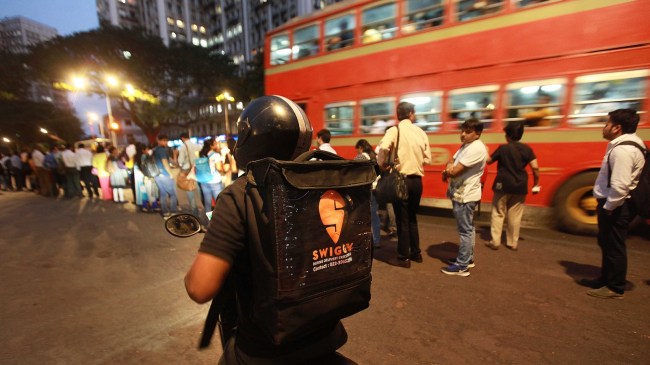 The selection of New Year’s Eve for this strike is a crucial move as it seems to have a severe impact on the platform-based delivery business
Written by Babu P Remesh
2025 is ending with a nationwide strike by delivery workers demanding fair wages, transparent payment systems and a ban on the cruel “10-minute delivery” business model. The two major gig workers’ unions have urged delivery workers across the country to abstain from providing their services for a day. This is the second time in a week that gig and platform workers are holding a strike as a strategy of resistance. Unions claim the earlier flash strike held on December 25 saw the participation of more than 40,000 gig workers and affected 50-60 per cent of the business in the delivery sector. It is expected that more than 1 lakh delivery agents — working with aggregators including Swiggy Instamart, Zomato, Amazon and Blinkit — will participate in today’s strike, sending a strong message to “platform capitalists” to reconsider their exploitative business model.

Insta-delivery services have picked up momentum in India as a new variant of platform/app-based gig work, with more and more platform-based companies aiming to “sell convenience to customers.” Getting essentials delivered in the blink of an eye has proved very convenient to a large pool of technology-savvy and busy customers, who have shifted their loyalties from the traditional retail sector to a considerable extent. Apart from the severe blow it has dealt to small local vendors, this model has made delivery workers’ livelihoods even more insecure.
Using new technological possibilities (including algorithmic controls and customer-aided rating systems), the platform capitalists have created a coercive labour control system, where the delivery workers are forced to be part of a frenzied run to meet tight deadlines such as 10- or 12-minute delivery. As failure to meet these over-compressed deadlines is linked to stringent punitive measures, including delivery agents’ IDs being blocked from accessing the platforms, the workers are extremely stressed. In a system where workers are paid per order delivered, rather than hourly or daily, such exclusion from platforms worsens the already precarious nature of work in the sector. A worker’s speed becomes a crucial element that determines both their earnings and the stability of their job. The danger of work-related injuries, accidents and burnout — all of which delivery workers are already prone to — grows worse.
It is now widely understood that platform-based gig work in India is characterised by a systemic denial of core labour standards. First of all, their classification as “delivery partners” means that workers are denied most labour benefits. They are relegated to a unique status of “self-employed and self-exploited”, characterised by prolonged work hours and paltry take-home earnings (after fuel expenses and EMIs for their vehicles). The scattered workplaces and fluid nature of the workforce also act as obstacles to worker solidarity and effective collective bargaining. Given all these factors, there is a dire need to address the livelihood insecurities of gig workers, with a focus on ensuring fair wages, transparent payment systems and reasonable working conditions, including stipulated working hours. Planning and implementing a labour-oriented regulatory system to check technology-based alienation and algorithmic coercion is also a matter of immediate concern.
The selection of New Year’s Eve for this strike is a crucial move as it seems to have a severe impact on the platform-based delivery business. This must be a tough decision for the delivery workers themselves, as it is an occasion of full-time work and assured higher earnings. It is heartening to note that the unions’ call for a strike is being widely supported by customers, as evident from the proliferation of WhatsApp statuses and social media messages. So, even though it may take more time to achieve long-term goals such as fair wages and payment transparency, this strike has surely helped raise awareness among the general public about the need to look critically at the Insta-delivery system from a worker-oriented perspective.
The writer is professor and dean, School of Development Studies, Dr. B.R. Ambedkar University Delhi. Views are personal

 Share
Share


