Journalism of Courage
 2 min read



More or less everyone with an interest in nuclear policy welcomed Saturday8217;s meeting between the prime minister and nuclear scientists. There was much bonhomie; the scientists complimented the PM for his 8220;beautiful8221; parliamentary statement and the PMO8217;s statement was brimming with the optimism that these VIP interlocutors have been convinced. Sorry to spoil the party but not all was well with the meeting. It set a sort of a precedent that can be referred to again and again when executive policy decisions draw loud opposition, as indeed they will in a robust democracy.
Hosting a group of retired government scientists who appealed to Parliament against the government8217;s policy may look like mature and gentlemanly. In real fact it is giving up on a fundamental working principle of Indian democracy 8211; the executive draws its powers from majority support in Parliament, American-style legislature-executive separation of powers doesn8217;t exist. The scientists, who were employed by the government once and were drawing upon that career profile, had no business talking to Parliament directly. They deserved to be reminded of that enormously serious lapse. It doesn8217;t seem that was done at Saturday8217;s meeting. On the contrary, they seemed to have been invited to offer their wisdom as the nuclear negotiations proceed. The DAE chief and the national security advisor are to act as liaison men. Surely, there8217;s something wrong if two of the government8217;s most key officials are asked to obtain de facto clearances from retired government servants?
The nuclear deal therefore may have been made rather vulnerable to extra-official pressure. Will the government now have the freedom to make small, calculated sacrifices, as big negotiations often require? What will the government say if, say, a defence policy decision is loudly opposed by a group of retired, decorated generals who write to the MPs? What about former economic advisors and planning commission experts ganging up to find fault with an economic policy and appealing to Parliament? Who makes policy? We8217;ll give a clue. In 1991, a finance minister overturned India8217;s economic policy and he didn8217;t ask any retired expert to clear his actions.

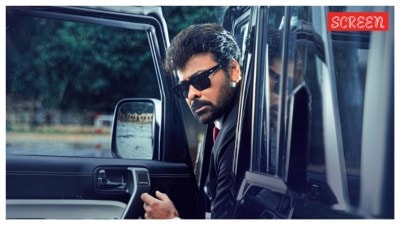
Anil Ravipudi’s action thriller Maha ShankaraVaraprasad Garu, starring Chiranjeevi and Nayanthara, has emerged as the winner among this year’s Sakranthi releases across the Telugu and Tamil film industries. The film’s unconventional release on a Monday, two days before the mid-week festival, has worked in its favour as it crossed the Rs 165 crore mark at the domestic box office.