Journalism of Courage
 2 min read


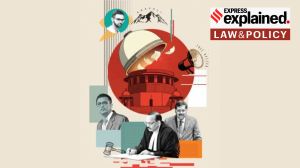
A century ago,the German novelist Thomas Mann began work on what would be perhaps his most important work,The Magic Mountain. Heavily influenced by his experiences while tending to his ailing wife in the sanatorium town of Davos in the Swiss Alps,it is in a way a stock-taking of the ills that consumed Europe on the eve of World War I. In the decades since,Davos has been remade,both as a place and as a mental marker.
Today,it is the playground of the rich,a ski resort where the old sanatoria have become thriving hotels. And once a year,when the January snow is piled high,the worlds most powerful politicians gather there and interact with businesspersons and intellectuals to take stock of the issues of the moment. In that sense,Manns novel was prescient. But their thunder,alas,is most often stolen by the celebrities with a conscience,Bono on African poverty for instance.
As the World Economic Forum begins this week,it would be fair to expect that the mood will be more sombre,with the financial crisis a dominant theme. Britain is officially in recession. Americas financial system is in such crisis that reports suddenly abound of proposals for the nationalisation of leading banks. China,with its prime minister,Wen Jiabao,scheduled to be in Davos,is bracing itself for social unrest as a consequence of a slowdown in manufacturing.
The WEF has a way of dramatising concerns. One year,delegates huddled in an igloo to highlight global warming. Last year,Davos was awash with Iranians to underline the need for dialogue,drawing out of Condoleezza Rice an amazing statement of American foreign policy. But sometimes they overstate the case. Last year,the WEF shivered at the prospect of sovereign wealth funds. Now that concern has passed. The magic mountain waits for new forebodings.