


Tags:


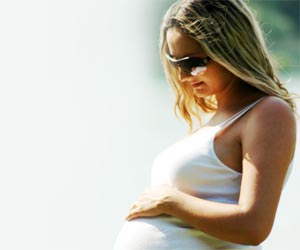
With women increasingly opting for C-section over normal delivery,doctors warn of long-term complications
Shivani Malik,27,could have had a normal delivery but she opted for a C-section. It seemed like the easy way out. I didnt want to go through the much dreaded labour pains, she says. Two years after the operation,Malik recalls the post-surgery nightmare. Her body swelled for about six weeks and she still feels a numbing pain and a tingling sensation below her waist.
While most women in the US and Europe are veering towards natural birth,many Indian women are now opting for C-section even if they can have a normal delivery,without thinking or worrying about its long-term effects. Seven out of 10 women today want a Caesarean delivery,even if they could have a perfectly normal one. Its a disturbing trend, says Dr Raj Bukari,gynaecologist,Fortis La Femme,Delhi. Some women cite superstition as a reason for choosing a C-section. Some families consult their astrologers for an auspicious birth date and tell us that they want to have a baby on that day, says Dr Rinku Sengupta,gynaecologist,Sitaram Bhartia Research Institute,Delhi.


A caesarian delivery may not harm the baby but may cause long-lasting complications in the mothers body. The procedure causes side-effects due to anesthesia and reactions to medications. While excessive bleeding and infection are the most common side-effects,there are additional risks such as infection in the bladder or uterus,injury to the urinary tract and breathing problems, says Dr SenGupta. Moreover,if you have had a Caesarean operation once,your chances of having a normal delivery again are almost nil.
A C-section cuts across the connective tissues of the skin,peritoneum linings,protective layers of the abdominal muscles,past the lining of the omentum,and the muscular body of the uterus,revealing the newborn. Each layer of organ and connective tissue must heal separately if they are to return to their original positions. Structurally,the uterus recedes back into the pelvis from the abdomen. All the layers of the abdomen slide past each other to allow for the traffic as individual organs and tissues complete this. These adhesions can cause further complications that are not recognised as a single cause,says Dr Bukari. The adhesions respond to increased tension as the adhered uterus attempts to slide back behind the bladder. At times,it will pull the layers of the abdomen with it,folding into a visibly puckered shelf. As the connective tissues continue to pull and tighten over time,the myofascial train a group of connective tissues that translate pressures in sequence to protect the body is affected. A pressure or stress can travel along these lines to protect the body from a strain that is concentrated in one area. This process also transfers the stress and creates referred pain to the site of injury, says Dr Bukari.


