7 min read

Journalism of Courage



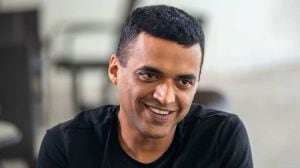
A day in the life of Dr Mohammad Tarique
Resident doctor,Baba Raghav Das Medical College,Gorakhpur
Routine: Tarique manages the ICU and 70 other beds in Ward No 6 along with another resident doctor. Ward No 6 is one of the five encephalitis wards in the hospital and runs an emergency service every alternate day to admit new patients. Tarique,who is on morning shift this week,starts his day at 7.30 a.m. and expects to be relieved only after eight in the evening,when the other resident doctor takes over for the night shift
Six beds line the hospital room. On each are children,about two to three a bed,their bodies limp with fever. The parents sit around the beds,wiping listless bodies with damp cloth. The room is warm,the air conditioning drones but fails to cool. A tangle of pipes carrying oxygen lies on the floor. The ventilator machine,one at each bedside,beeps every secondreassuring sounds in this cheerless room.
This is the Intensive Care Unit of Ward No. 6 at the Baba Raghav Das Medical College,Gorakhpur,the only government facility in Uttar Pradesh that caters to patients of encephalitis,the annual outbreak that affects the eastern part of the state. The pediatrics department of BRD Medical College is where the patients,mostly children below 15,and their families head to,some even from Bihar and Nepal. So far this season,Uttar Pradesh has seen around 3,000 cases and 450 deaths due to Acute Encephalitis Syndrome.
The pediatric department of the medical college has 94 sanctioned beds but during peak encephalitis season,which starts from July-August and continues till November,over 260 beds,including 21 in the ICU and 24 in the neonatal intensive care unit,spill over with patients. The medical team that attends to themnine senior doctors,11 resident doctors and 22 nursing staffworks extra hours as they fight a seemingly one-sided battle against the disease.
On Bed No 2,four-year-old Javed is breathing heavily. Dr Mohammad Tarique,the doctor in charge of the ICU today,decides to put him on ventilator. Tarique moves fastputs on his surgical gloves,takes the tube that is to be inserted into the childs trachea or windpipe and asks the nurse for a tape to fix the tube in place.
His condition deteriorated in the morning and if he is put on ventilator early,he will have a good chance of recovery, says Tarique,using a suction tube to clean the childs air passage before placing the tube in his mouth. Little Javed resistshe has had enough of needle jabs,drips and tubes by nowbut the doctor gives the tube a gentle push and holds it in place by pasting a tape around the childs lips. The tube is connected to the nearest ventilator and the rhythmic breathing of the child tells the doctor that his exercise has been successful.
Encephalitis causes swelling in the brain and then the patient cant breathe properly. Its important that the patient gets timely ventilator support, says 30-year-old Tarique,a resident doctor in his second year of diploma in pediatrics at the medical college. He manages the ICU and 70 other beds in Ward No 6 along with another resident doctor. Ward No 6 is one of the five encephalitis wards in the hospital and runs an emergency service every alternate day to admit new patients. Tarique says that on every such day,around 10 new patients get admitted to his ward alone. Tarique,who is on morning shift this week,starts his day at 7.30 a.m. and expects to be relieved only after eight in the evening,when the other resident doctor takes over for the night shift.
After updating Javeds medical file,Tarique moves to another patient who is already on ventilator. Patients on ventilators need attentiontheir tubes have to be cleaned regularly, he says. We clean up the patients air passage through the suction tube if required. Since these children are unconscious and cant gulp the secretions,we have to suck it out lest it trickles down to the lungs and causes infections, he explains.
The ICU is a gloomy sight. Each child in the ICU has a cannula inserted in either of their hands and tubes that go up to intravenous fluids in bottles that dangle at their bedside. As the body swells up due to encephalitis,it is very difficult to find a vein in their hands before putting them on drip. Sometimes,we even do a small surgery to take out the vein, says the doctor.
Most of the children have their eyes shut with with cotton pads. That,the doctor says,is to prevent injuries to the eye. When they are unconscious and their eyes are left open,they dont blink. The retina tends to dry up and any foreign particle might hurt the eyes,hence we close them, he says.
When the senior doctors do the morning rounds,Tarique briefs them about each patient and takes instructions. Once the rounds are done,he visits all patients to check on them. After that,I am supposed to sit down and keep a watch but that hardly happens because with so many patients,some thing or the other keeps coming up all the time, he says. Just as he says that,the attendant of a patient calls out to him.
Every day,four to five patients are put on the ventilator in this ward. This ward has six beds and eight ventilators and these oxygen pipes are for these extra ventilators, he says,pointing to the pile of pipes on the floor. We need a central pipeline for oxygen supply. But to put that in place,the entire system has to be shut for two days. That is just impossible given the rush of patients in the hospital, he says.
Tarique,who did his MBBS from CSMMU,Lucknow,formerly King Georges Medical University,chose to do his diploma from Gorakhpur Medical College because he believes the experience of working in encephalitis-hit Gorakhpur can prepare him for any situation.
This is his second year in Gorakhpur and he says he feels helpless every time he sees patients streaming in to the hospital. If only these villages had access to safe drinking water,many lives could have been saved. Every day we see at least one or two children in our ward succumb to the disease. Almost all of them come from illiterate and poor families who do not have any access to clean drinking water, he says.
Though the doctors try and talk to patients and their families about the importance of safe drinking water,it is hardly of any use as there are no deep hand pumps in their locality. If only 50 such hand pumps could be provided in each of the villages,it would bring about a remarkable change.
Despite the depressing statistics of encephalitis deaths,Tarique has some good news. The recovery rate in the ICU is very good. At least three to four children are shifted from the ICU to the ward every day, he says.
Tarique says he feels happiest when he sees a child who only a few days ago had been unconscious and struggling to breathe,walk out of the hospital hale and hearty. That is a great feeling, he says,smiling.