3 min read

Journalism of Courage




The chief European cease-fire monitor blamed the Tamil Tiger rebels on Tuesday for the recent spate of land mine blasts that have killed dozens in Sri Lanka and imperiled a four-year-old, Norwegian-brokered truce.
In an interview, retired Swedish general, Ulf Henricsson, said while he couldn8217;t be completely certain the Liberation Tigers of Tamil Eelam were responsible for all of the mine attacks, it was likely they were to blame for most.
8220;If I look into the pattern and whole series of mine blasts, I would 8230; rule this as a serious violation by the LTTE,8221; Henricsson said. 8220;I can8217;t prove every explosion to one single party, but the blasts directed toward the army, I8217;m quite sure that it could not be launched by any other organisation than the LTTE.8221;
It was the first time a member of the 60-strong Nordic mission has publicly blamed the rebels for the blasts, mostly involving Claymore mines that can be detonated by remote control and are designed to fire hundreds of steel balls. The military has said Claymores appear to be the favored weapon of the rebels.
More than 50 people have been killed since April 10, mostly in mine explosions. Others have died in clashes between ethnic Tamils and Sinhalese. The Tigers, meanwhile, have accused the military of targeting and killing their members.
The Tigers have denied responsibility for the blasts and said Tamil civilians affected by the military are acting on their own.
8220;Of course the LTTE will not admit that they are behind these attacks, and at the same time they have not denied very clearly either,8221; Henricsson said.
Henricsson, 64, leads the mission that was set up to oversee the Norwegian-brokered 2002 cease-fire, which halted Sri Lanka8217;s almost two-decade-long civil war.
The two sides met in Geneva in February and agreed to avoid violating the truce, but the ongoing violence has again raised tensions. The second round of talks is scheduled in Switzerland on
8220;The most important thing is to get the parties to Geneva and talk instead of fighting,8221; said Henricsson.
Commenting on the chances of the April meetings taking place he said: 8220;I am still optimistic 50-50.8221;
Henricsson who took over as chief European cease-fire monitor this month. He is no stranger in attempting to keep the peace in conflict zones. Henricsson commanded the Nordic battle group UNPROFOR in Bosnia-Herzegovina while the Balkan war raged in the 1990s.

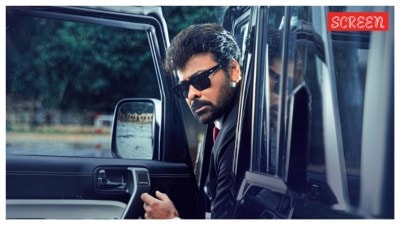
Anil Ravipudi’s action thriller Maha ShankaraVaraprasad Garu, starring Chiranjeevi and Nayanthara, has emerged as the winner among this year’s Sakranthi releases across the Telugu and Tamil film industries. The film’s unconventional release on a Monday, two days before the mid-week festival, has worked in its favour as it crossed the Rs 165 crore mark at the domestic box office.