Journalism of Courage
 2 min read



As the simmering political crisis in Nepal comes to a head, India needs to devote political attention to Kathmandu, to prevent a violent confrontation between King Gyanendra and the political parties with the Maoists. The three-day general strike called by the political parties early next month, with Maoist backing, has set the stage for some intensive internal negotiations as well as external involvement to end the brutalisation of the kingdom.
That India played a key role in bringing the political parties and the Maoists together, in order to step up the pressure on Gyanendra is well known. Having precipitated a new correlation of forces in the kingdom, New Delhi will now have to strain every nerve to prevent Nepal8217;s further descent towards chaos. There is nothing in Gyanendra record since 2001 8212; when he took charge of the nation 8212; to suggest that he is prepared for reasonable compromises. If he gambles his way through the crisis and gets the Royal Nepal Army to put down the strike, there would be more bloodshed. If he, however, agrees to the three major political demands of the opposition 8212; reconvene the dissolved parliament, form a national government, and initiate talks with the Maoists for the conduct of polls to elect a constituent assembly 8212; a more stable future for Nepal could be envisaged.
In a profound crisis such as this, it is never easy to predict how the cookie might eventually crumble. India has been right so far to direct all its pressures against Gyanendra. But as it continues to encourage Gyanendra to avoid a suicidal crackdown on the political opposition and engage in negotiations, India cannot be unaware of the dangers of a Maoist takeover of Nepal. While the Maoists have played ball with the political parties so far, they are yet to renounce violence as a political tool. India would find it hard to choose between an autocratic monarchy and the ugly peasant communism of the Maoists. As much of the world looks to India on Nepal, the government needs to demonstrate that it has clear political objectives and a sure diplomatic touch.

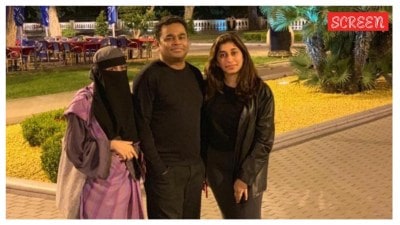
AR Rahman has been under fire after his interview last week, during which he noted how less work has been coming to him due to a power shift within the Hindi film industry in recent years and said it could also be due to the “communal thing”. Now, Rahman’s daughters Khatija and Raheema have come out in their father’s support.