5 min read

Journalism of Courage




In the limited space conceded to this region, there wasn8217;t room enough for both. In the event, the outrage at Akshardham all but edged out Phase 2 of the J038;K elections in the US and British media.
For readers who may have forgotten Gujarat, correspondents prefaced their despatches from the state with reminders of the carnage earlier this year.
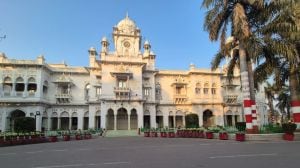
The GUARDIAN sought to jog readers8217; memories even further. The Swaminarayan temple, it pointed out, was 8216;8216;visited by former US president Bill Clinton, in 20008217;8217;.
Asked THE NEW YORK TIMES: How had two young men, little more than teenagers, acquired some 600 rounds of ammunition and more than 20 grenades?
Indian leaders, it said, quickly saw the larger hand of Pakistan at work. 8216;8216;But the letters found on the attackers8217; bodies offer a reminder that the Hindu-Muslim violence in the area earlier this year8230;will not easily fade from memory8217;8217;.
So could this attack raise the risk of war between India and Pakistan? The NYT reported that analysts did not expect that to happen. New Delhi, they said, would rather focus on the election underway in Kashmir.
While THE WASHINGTON POST seized the moment to warn that another big attack could reignite hostilities between 8216;Islamic Pakistan8217; and 8216;secular but mostly Hindu India8217;.
8230;Communal fears
In another part of the world, a spate of alarmed8212;even alarmist8212;editorials on Gujarat. The GULF NEWS wrote that though New Delhi has pointed to Pakistan, indications are that the Akshardham massacre is 8216;8216;in retaliation for the massive toll on Muslims that communal unrest has claimed in the months since February8217;8217;.
Now, the paper urged, New Delhi must focus on ensuring that confidence is restored between the Muslim and Hindu communities, though 8216;8216;8230;the track record in dousing the embers of blind hatred has had largely negative reviews in the past8217;8217;.
For the KHALEEJ TIMES, the terrorist attack on the temple evoked chilling reminders of India in the 1980s. Of 8216;8216;terrorism in Punjab spilling over into neighbouring states, stoking communal tensions nationwide and eventually forcing the federal government to respond with an iron hand8217;8217;. Militancy in Kashmir, it said, was acquiring similarly dangerous dimensions.
Saudi Arabian daily ARAB NEWS was provoked to make many impassioned points: that the attack on the Hindu temple by Muslim militants was not just an act of barbarity but also one of lunacy because Muslims may be victims again 8212; 8216;8216;Gujarat8217;s record makes that highly likely8217;8217;.
That in post-8217;90s India, riots have become not calamities to be feared, but opportunities to be sought 8212; 8216;8216;They are the highway to power8217;8217;. That this barbarity along with the murder of Christian charity workers in Karachi does enormous harm to Islam. There are no victors here, the paper said, only victims. And the victims are not only those who get killed. 8216;8216;It is also Islam8217;s good name. That affects every individual Muslim the world over.8217;8217; There was a similar agonising over Islam8217;s image in the Saudi media in the run-up to 9/118217;s anniversary.
Iraq8217;s India 8216;link8217;
AS the US and British media continue to squall over Iraq, India made a guest appearance on the show. Tony Blair8217;s dossier on Iraq, intended to drum up support for a US-led attack on that country, singled out an Indian company: Delhi-based NEC Engineers, it said, had illicitly provided key ingredients to Iraq for construction of propellant motors for rockets, which can be used to deliver weapons of mass destruction.
But the Indian connection was a sidelight. For the main part, the questions were: Does Bush8217;s speech to the UN indicate that the White House has been pulled into the multilateral machinery of the United Nations? Has Saddam divided the enemy camp by abruptly agreeing to UN inspections? NEWSWEEK declared that major powers, still squabbling, are now faced with the new Bush doctrine: 8216;8216;Do you prefer to stand with Dubya or with Saddam Hussein?8217;8217;
Prince Uncharming
FOR those who argue that the Indian President is modelled exactly on the British monarch, tidbits from an interesting controversy: the heir to the British throne is in the middle of a political knockabout over his habit of writing to government ministers.
Prince Charles8217; letters, leaked to the media a few days ago, cover a range of issues: the European Convention on Human Rights, increasing litigiousness among Britons, what he sees as the growing intrusiveness of social regulations8230;On an average, the Prince is said to write to ministers every two weeks.
The furore is about the leaking of the letters. But it is much more about whether he should have written them. The Palace argues that the Prince was merely showing an 8216;8216;active interest8217;8217; in British life.
The GUARDIAN, among others, objects: 8216;8216;HRH should keep his thoughts to himself8217;8217;. Countered THE DAILY TELEGRAPH: Does the nation want a Prince who only utters pieties in public and writes 8216;thank you8217; notes in private? Would the voters really prefer him to mind his own business and ignore theirs? The debate rages on.


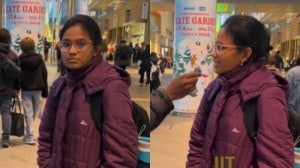
An Indian professional based in Japan has sparked online discussion after a video of her comparing work culture in the two countries went viral on Instagram. In the clip, the woman, an IIT Hyderabad graduate, introduces herself as a project manager at Rakuten and says that she secured the role through campus placements.