2 min read

Journalism of Courage




Describing Cancun as a turning point, Commerce and Industry Minister Arun Jaitley said that Cancun ministerial has provided directional change to World Trade OrganisationWTO by bringing into fore the need to correct trade-distorting subsidies.
While summing up the outcome of the Cancun meeting, Jaitley told newspersons that though the talks eventually failed in Cancun, several positives had emerged there and one of them was a change in equilibrium with developing and least developed countries being able to assert their point.
Jaitley also expressed hope that two coalitions8212;G-21 on agriculture and G-16 on Singapore issues8212;which were formed during the ministerial will remain together.
Criticising the developed countries for the collapse of the ministerial, Jaitley said, 8216;8216;We believe the final draft could not be agreed upon because the draft declaration was heavily loaded against developing countries8217;8217;.
Jaitley also said that European Union has lost 8216;moral ground8217; to press for an investment deal and competition policy at WTO after the legitimacy for raising these issues was 8216;dented8217; substantially at Cancun.
8216;8216;In the course of our engagement, the European Union wavered on Singapore issues. The legitimacy of two important Singapore issues8212; investment and competition8212;has been substantially dented for future,8217;8217; Jaitley said.
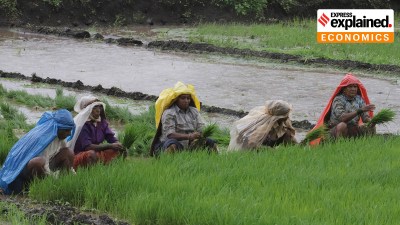
Jaitley said India never wanted the talks to end in a deadlock, all it wanted was a positive document that addressed the concerns of developing countries which formed a majority. Deploring the attitude of developed nations, Jaitley cited the example of the cotton-growing countries of Africa, who had been severely hit by the huge subsidies in the Western world.
He said 25,000 farmers were being provided 3.75 billion of subsidies a day, and it was regrettable that instead of agreeing to bring down subsidies the poor African nations were told not to grow cotton and diversify.