6 min read
📣 For more lifestyle news, click here to join our WhatsApp Channel and also follow us on Instagram
© IE Online Media Services Pvt Ltd



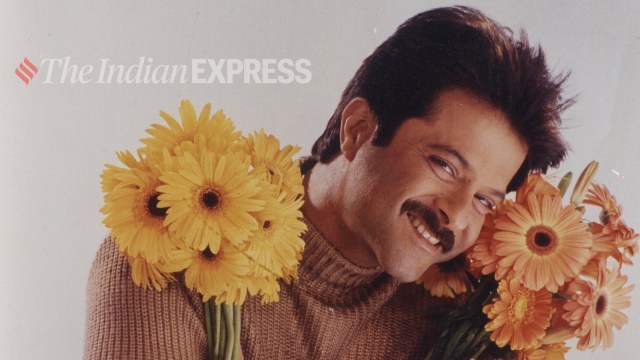 Anil Kapoor believes that we have forgotten how to take a break from the 24x7 hustle culture (photo: instagram/anil kapoor)
All work and no play makes Jack a dull boy, and Anil Kapoor agrees. The Mr. India actor once said that a large number of people are obsessed with always working and hardly ever take a break. “24 ghante kaam karke fayda kya hai. Hum log bhool gaye chill karna,” (what’s the point of working 24×7? We have forgotten how to chill), said Kapoor, adding that non-stop grind is consuming us.
Citing an example of established personalities, the actor added: “Bade bade log bahut successful hue hain. Humse zyada achieve kiya. Hazar guna zyada achieve kiya. Jo kam bhi karte hain successful bhi hote hain, wo chill bhi karte hain relax bhi karte hain, holiday pe bhi jate hain.” (Many people are successful who have achieved thousands of times more than we have. Such people also relax and go on holidays.)
Anil Kapoor believes that this inability to take a break from the grind is because we have made financial issues our entire personality: “Gareebi humari fitrat me hai…Humari rag-rag mein hai insecurity aur gareebi“. (Poverty runs in our veins and has become a part of our nature)
Taking a cue from Anil Kapoor’s confession in an interview with Republic World, we reached out to Mehezabin Dordi, a Clinical Psychologist at Sir HN Reliance Foundation Hospital, Mumbai, to understand how this 24/7 hustle culture affects people’s mental, psychological, and emotional health.
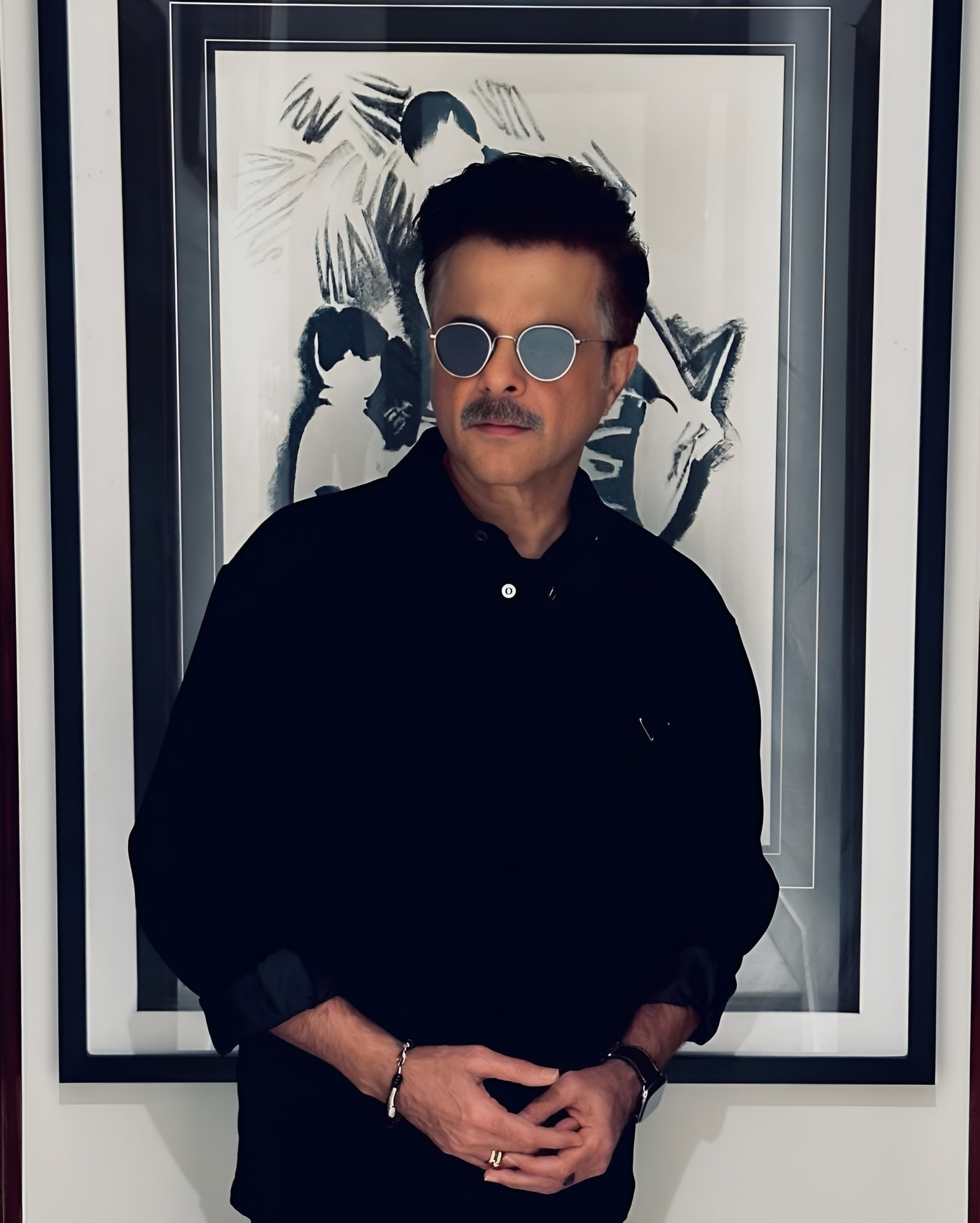 Adding on to Kapoor’s opinion, psychologists say that the human mind and body aren’t built to be ‘on’ all the time (Photo: Instagram/Anil Kapoor)
“In today’s hustle culture, we’ve started wearing exhaustion like a badge of honour,” says Dordi, who further points out that being “busy” has become a measure of worth. However, the human mind and body, as the psychologist rightly points out, aren’t built to be on all the time. When we forget how to pause, it starts taking a quiet toll.
“Mentally, our attention span shrinks, our creativity dulls, and everything starts to feel like a chore. Psychologically, we move into survival mode; we are always alert, always chasing, rarely resting. The brain begins to interpret even small tasks as threats, which leads to irritability, anxiety, and emotional fatigue. Emotionally, the joy starts fading from things we used to love.”
The psychologist tells indianexpress.com that people often describe it as “feeling flat” not sad necessarily, just disconnected. “That’s the early sign of burnout. Over time, this chronic overdrive affects sleep, mood, even physical health, headaches, blood pressure, digestive issues, you name it.”
Sadly, the effect spills onto the person’s relationships as well. “When we’re constantly preoccupied, we stop being emotionally available to the people we care about. Breaks and holidays aren’t indulgences; they’re essential resets that protect our mental health, creativity, and ability to connect with others.”
Just like Kapoor said, a person’s financial background, and how they grew up around money, plays a very crucial role in determining their ability to take a break.
“If you’ve grown up in a home where every rupee had to be stretched, the idea of ‘taking time off’ can feel unsafe or even irresponsible. There’s often a subconscious voice saying, ‘If I stop working, something bad will happen.’ That fear doesn’t magically disappear even when you’re financially stable later in life,” notes Dordi.
This is described as “scarcity mindset, a deep-seated habit of focusing on what could go wrong, rather than what could go right. “Many people who’ve faced early financial struggles also tie their self-worth to productivity as if constant working equals safety or value. So even planning a small vacation can bring guilt, anxiety, or shame.”
The psychologist asserts that sometimes it’s not just about money but also about emotions. “People may feel guilty for spending on themselves when family members are still struggling, or they might downplay self-care as ‘luxury.’ The truth is, rest doesn’t make you ungrateful or lazy. It’s a way of protecting the life you’ve worked so hard to build.”
“For many of us, slowing down feels uncomfortable, even scary, because our minds are wired to equate movement with progress. But rest is not the opposite of productivity; it’s part of it,” explains Dordi, recommending following gentle, practical ways to begin:
1. Start small
You don’t have to disappear for a week. Begin with short “micro-breaks” during your day, 10 minutes to stretch, walk, or step away from screens. Research shows even tiny breaks improve focus and prevent emotional exhaustion.
2. Create a shutdown ritual
At the end of your workday, do something symbolic: close your laptop, put your phone away, or take a short walk. Your brain needs cues that say, “The workday is done.”
3. Experiment with rest
If guilt or anxiety creeps in, think of rest as an experiment, not a luxury. Try a half-day off and observe how you feel emotionally, physically, and mentally. Most people come back clearer and calmer.
4. Reframe your beliefs
When that inner critic says, “I don’t deserve to rest,” challenge it. Ask yourself: Would I say this to someone I care about? Rest doesn’t make you less committed; it makes you more sustainable.
5. Plan recovery, not escape
A break doesn’t always have to mean travel or spending big. It can be a staycation, a digital detox weekend, or a slow morning at home. The goal is to detach from the grind mentally.
6. Address deeper roots
If the idea of taking time off feels unsafe or triggers anxiety, it may help to explore it with a therapist. Sometimes, the issue isn’t about time; it’s about old fears around safety, identity, or control.