Journalism of Courage



 The modern traveller is all too caught up by bucket lists, and of the thousand destinations to see before you die.
On the Loose
Every year, around this week, hundreds of mountaineers attempt the treacherous climb to Everest. And every year nature’s fury displays it might, conquering a few of those who set out to conquer the mountain. Fear of avalanches, or this region’s shaky tectonic plates are unlikely to deter the intrepid climber in the future, either. The number of summit attempts have been increasing consistently. Infrastructure permitting, the aborted expeditions of this year will resume in 2016.
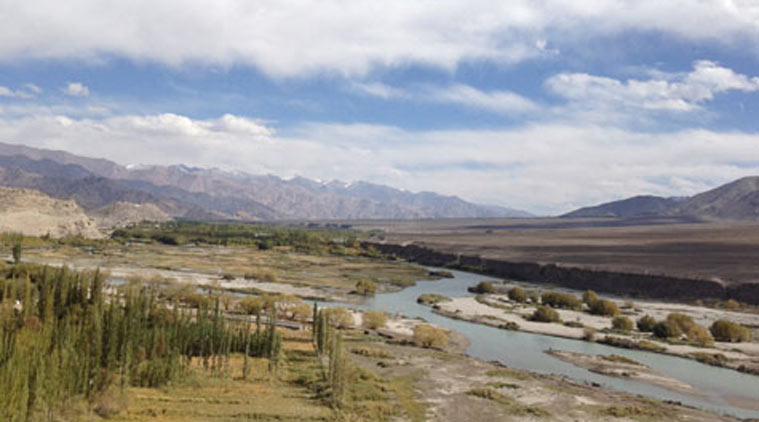
Metaphorically, the mountain stands for something unsurmountable, maybe that’s why scaling it is so crucial for mankind. Mountaineers are inspired by the challenge of backbreaking hardship along the way. The difficult terrain is central to the journey, the peak, merely to stay focused. Of late, trekking has become a lot more accessible. Trudging in the Himalayas is no longer only for rugged types who don’t mind roughing it.
There are more leisurely options with operators who throw in local monastery visits and comfortable lodges en route. Hiking through remote mountains shakes us out of our prosaic working lives, conveying the sense there’s so much more beyond ordinary routine. It has the power to be a life changing experience, which is why it’s such a pity that too few of us make the effort to do it.
The modern traveller is all too caught up by bucket lists, and of the thousand destinations to see before you die. A walk through the Himalayas sounds far less enticing than viewing Michelangelo’s frescoes in the Vatican or taking the Hangover tour in Las Vegas. But after months of planning, once you make your way to the Spanish Steps in Rome, you find yourself on tip toe, shoulder-to-shoulder in a sea of humanity, clutching your handbag in fear of Italy’s notorious pickpockets. In this whirlwind of movement, you can’t absorb anything and it turns out to be deflating, anticlimactic and entirely unmemorable. All the world’s greatest monuments are overrun with visitors ticking off their check lists. The reality is consumerism and long lines dwarf every architectural marvel in existence, turning the most spectacular destination into a slightly more scenic version of VT station.
The way we travel now, we barely skim the surface of any place. It’s almost like the aim is to dispense with the destination, summarily, before breathlessly heading to the next. Time constraints can be blamed, but also a lack of imagination and effort to engage deeply — going to places is not the same as being immersed in them.
Adventurer Alastair Humphrey, in his very original guidebook Microadventures: Local Discoveries for Great Escapes (Amazon India; Rs 1200) emphasises you don’t need to reach the Bahamas to have a good time. He recommends quick, overnight “perspective changing trips” — or even pitching a tent in your own garden to see it differently. One night under the stars exposes you to a different kind of beauty. The conclusion being, the quick getaway or arduous hike can be more uplifting than a spa treatment or a day at the Louvre. If the idea of travel is to be wide-eyed again, we don’t have to go very far away.

 4 min read