3 min read
📣 For more lifestyle news, click here to join our WhatsApp Channel and also follow us on Instagram
© IE Online Media Services Pvt Ltd



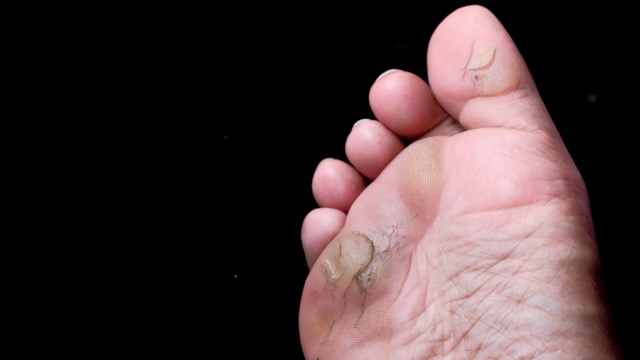 Seek expert help if the skin becomes painful, cracks deeply, bleeds, or keeps returning despite home care
Many people complain of thick and hardened foot skin, especially around the toes and the soles. While these are often painless, hardened skin can be discomforting. For some, this even gets in the way of their favourite footwear, with embarrassment taking over. But why exactly does this skin thicken? And more importantly, how can you get rid of it?
“The skin on our feet naturally becomes thicker because it constantly bears body weight and friction. When pressure increases, especially below the toes, the skin responds by forming a protective layer,” explains Sherin Bhan, Co-Founder, Studio 1915 Luxury Aesthetic Clinic. Over time, repeated friction, walking barefoot, or improper footwear can make this area hard and visibly thick.
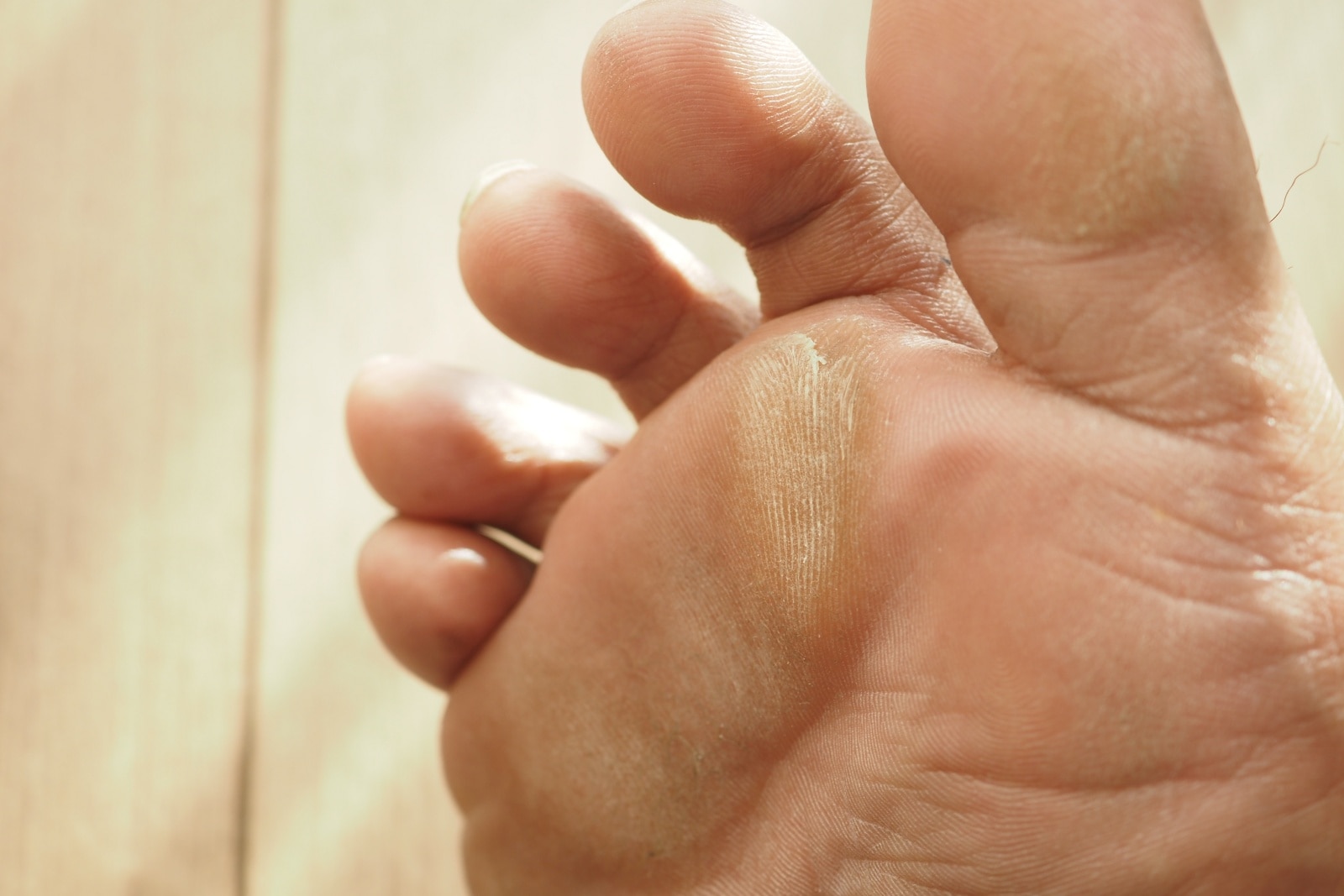 It is advisable to seek expert help if the skin becomes painful, cracks deeply, or bleeds despite home care
Bhan clarifies that most calluses are harmless and simply a response to pressure. However, excessively thick or painful skin can sometimes point to deeper issues like foot deformities, uneven walking patterns, or even diabetes. “Persistent or cracking skin should never be ignored,” she adds.
Perpetual hardness despite care is often a sign that the feet are experiencing constant stress. “This isn’t ‘normal’; it usually means something in your footwear, posture, or activity level needs correction,” the cosmetologist stresses. Many a time, tight footwear, high heels, thin-soled shoes, and walking barefoot on hard surfaces play the culprit by worsening friction and pressure. “Even long hours of standing or wearing loose footwear that makes your feet slide forward can trigger more hardening,” Bhan further says.
It is advisable to seek expert help if the skin becomes painful, cracks deeply, or bleeds despite home care. “People with diabetes or circulatory issues should never wait; professional evaluation is essential to prevent complications,” Bhan cautions. For those looking for a home remedy to soften this skin, Bhan recommends soaking your feet in warm water, using a gentle foot file, applying urea- or lactic acid-based creams, and moisturising daily. “Avoid harsh scraping or blades at home. Consistent care and supportive footwear make the biggest difference,” she concludes.
DISCLAIMER: This article is based on information from the public domain and/or the experts we spoke to. Always consult your health practitioner before starting any routine.