3 min read
📣 For more lifestyle news, click here to join our WhatsApp Channel and also follow us on Instagram
© IE Online Media Services Pvt Ltd



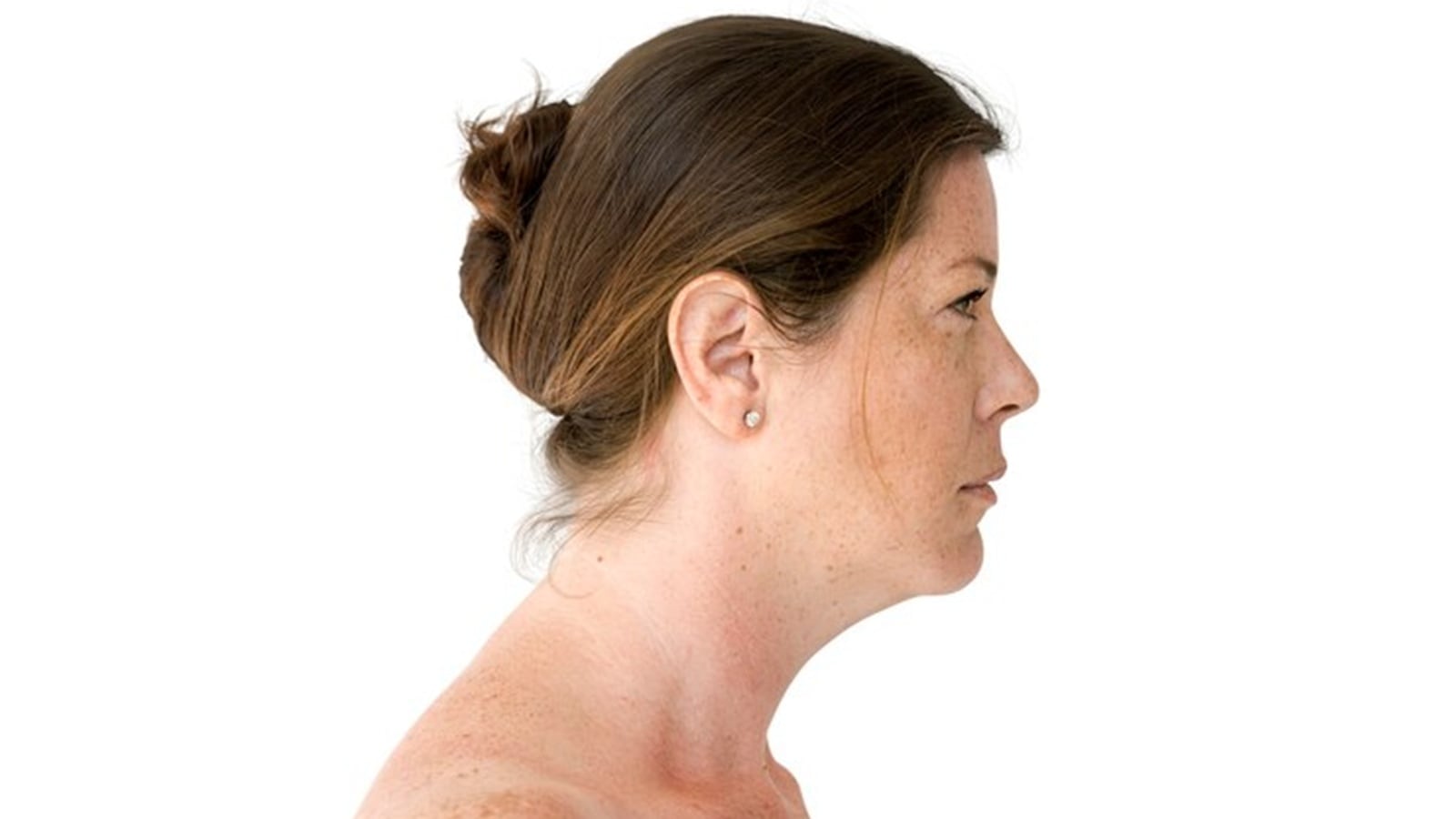 This is how neck fat affects breathing (Source: Freepik)
Have you ever considered that the thickness of your neck might hold clues to your breathing challenges? Recent studies suggest that neck fat, often overlooked as a health indicator, could play a significant role in obstructive sleep apnea and other respiratory issues.
Some Instagram reels we stumbled upon suggested that measuring your neck could explain your breathing issues. According to them, if your neck’s circumference is more than 16 inches (for women) and more than 17 inches (for men) then your body fat may be responsible for blocking your breathing. Should you believe them? Let’s find out!
Dr Divya Gopal, Consultant – Internal Medicine at Sir HN Reliance Hospital, Mumbai told indianexpress.com that while neck fat can be responsible in obstruction of your breathing passages, the exact measurements are dependent on a variety of factors and cannot be taken at face value. The circumference of the neck can vary significantly based on factors such as muscle mass, bone structure, and fluid retention.
“While a neck measurement can be a component of a comprehensive assessment, it’s essential to consider it in conjunction with other clinical findings, such as body mass index (BMI), waist circumference, and medical history.” said Dr Gopal.
Excessive neck fat may cause obstructive sleep apnea (OSA). This is a condition where excess fat around the neck can obstruct the breathing passage by narrowing the upper airway during sleep, leading to intermittent breathing pauses. In some cases, excessive neck fat may also contribute to mechanical restriction of lung expansion, although this is less common than OSA.
 Excessive neck fat may cause obstructive sleep apnea (OSA). (file)
Having an obstructed breathing passage could lead to:
-Cardiovascular complications: OSA and other sleep-disordered breathing conditions are associated with an increased risk of hypertension, heart disease, stroke, and type 2 diabetes.
-Cognitive impairment: Sleep deprivation caused by OSA can lead to daytime fatigue, difficulty concentrating, and mood disturbances.
-Metabolic disorders: Obesity, often linked to neck fat, is associated with insulin resistance, type 2 diabetes, and non-alcoholic fatty liver disease.
Dr Gopal suggests the following techniques to manage neck fat:
-Weight management: Overall weight loss through a combination of diet and exercise is often effective in reducing neck fat.
-Targeted exercises: Specific exercises targeting neck muscles might have a limited impact on fat reduction but can improve neck strength and posture.
-Lifestyle modifications: Reducing alcohol consumption, quitting smoking, and avoiding sedatives can help manage sleep-related breathing issues.
-Medical interventions: In severe cases, continuous positive airway pressure (CPAP) therapy or surgery might be considered to treat OSA.