4 min read
📣 For more lifestyle news, click here to join our WhatsApp Channel and also follow us on Instagram
© IE Online Media Services Pvt Ltd



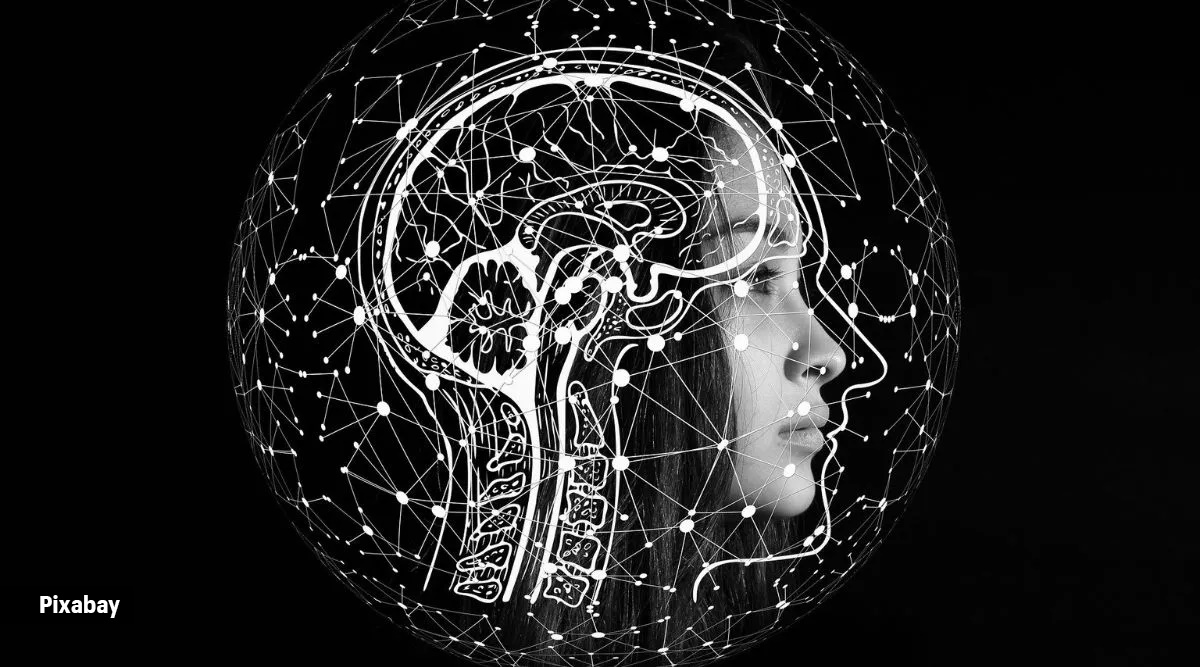 Does brain cells have fat? (Source: Getty Images/Thinkstock)
The human brain, often hailed as the most remarkable organ in the human body, continues to captivate both scientists and the general public alike. After all, it is an intricate network of neurons, glial cells, and supporting structures, each playing a vital role in the functioning of this remarkable organ. Hence, as advancements in neuroscience unfold, it is crucial to dispel misconceptions and clarify misconstrued information about this fascinating organ. In this part of the Know Your Body series, we address a commonly held belief: that the human brain is made up of 60 percent fat. But, is it true?
“While it is true that the brain contains a significant amount of lipids (fats), the notion that it consists of 60 percent fat is an oversimplification and requires further clarification,” said Dr S Ramesh, neurosurgeon, Kamineni Hospitals, Hyderabad.
Docosahexaenoic acid (DHA) is a structural constituent of membranes, specifically in the central nervous system. Its accumulation in the fetal brain takes place mainly during the last trimester of pregnancy and continues at very high rates for up to 5-6 years, said neurologist Dr Sudhir Kumar.
The composition of the human brain is complex and dynamic, with fats representing an essential component. “However, it is important to note that the brain’s composition varies depending on factors such as age, sex, and overall health. In reality, the brain consists of approximately 60 per cent fat in terms of its dry weight, but this figure does not indicate the percentage of fat by volume or the total mass of the brain,” elucidated Dr Ramesh.
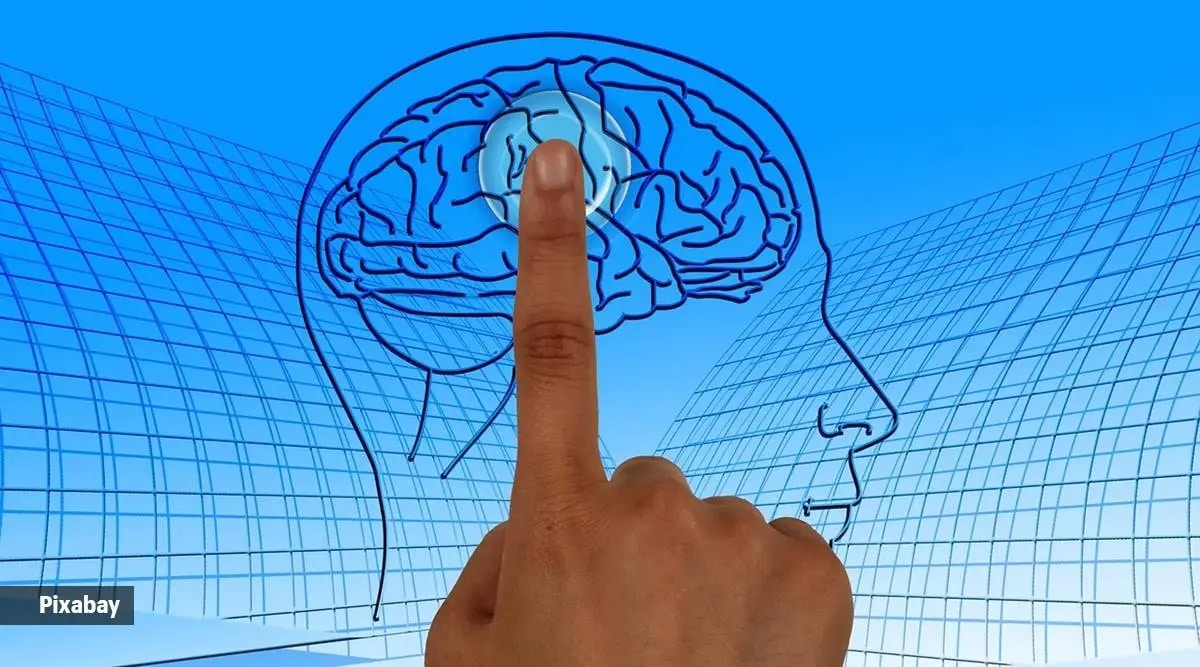 While the concept of the brain being predominantly fat may sound alarming to some, it is important to understand that not all fats are detrimental to health (Source: Pixabay)
Notably, the fats found in the brain are primarily composed of phospholipids, which are essential for maintaining the integrity and fluidity of cell membranes. “These phospholipids, such as phosphatidylcholine and phosphatidylethanolamine, play a crucial role in various brain functions, including signal transmission and cell-to-cell communication,” said Dr Ramesh.
It is also worth noting that the brain contains other vital components, including proteins, water, carbohydrates, and minerals. These elements are instrumental in supporting neuronal health, providing energy, and facilitating the intricate biochemical processes required for normal brain function, Dr Ramesh told indianexpress.com.
While the concept of the brain being predominantly fat may sound alarming to some, it is important to understand that not all fats are detrimental to health. “In fact, certain types of fats, such as omega-3 fatty acids found in fish and nuts, are considered beneficial for brain health and cognitive function,” said Dr Ramesh.
Concurred Dr Kumar and shared that disorders owing to lack of Omega 3 can happen like attention deficit, anxiety, and even depression. Therefore, maintaining a balanced and healthy diet, rich in essential nutrients, is crucial for optimal brain function.
“This includes consuming healthy fats, such as those found in avocados, olive oil, and nuts, in moderation. A well-rounded diet, combined with regular physical exercise, adequate sleep, and mental stimulation, contributes to overall brain health and vitality,” said Dr Ramesh.
📣 For more lifestyle news, follow us on Instagram | Twitter | Facebook and don’t miss out on the latest updates!