


📣 For more lifestyle news, click here to join our WhatsApp Channel and also follow us on Instagram
© IE Online Media Services Pvt Ltd
Tags:


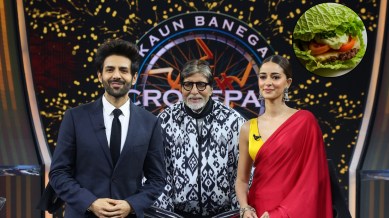
Every foodie knows the pain of giving up their favourite junk food for their fitness journey, and Karitk Aaryan and Ananya Panday are no different. In a recent episode of Kaun Banega Crorepati, when Amitabh Bachchan asked the actors about their fitness and food choices, Kartik jokingly said, “Main apne mann ko samjha leta hoon jo bhi khaata hoon (I convince my mind whenever I eat something),” before explaining how many favourites now come with a healthy spin.
“Sir, jab burger order karte hain, usme bread hoti hi nahi. Naam bas burger ka hota hai (When we order a burger, it doesn’t even have bread. It’s just for the sake of name),” he further expressed.


Ananya Panday added to Aaryan’s confession by revealing that, “It’s just to give us a sense of satisfaction. Burger bahar se hota hai, aur andar se salad (It’s burger from outside and salad from inside).”
The actors’ confession made us curious about the psychology behind this trend, and we reached out to Ms Mehezabin Dordi, clinical psychologist at the Department of Rehabilitation and Sports Medicine at Sir HN Reliance Foundation Hospital, Mumbai, seeking answers.
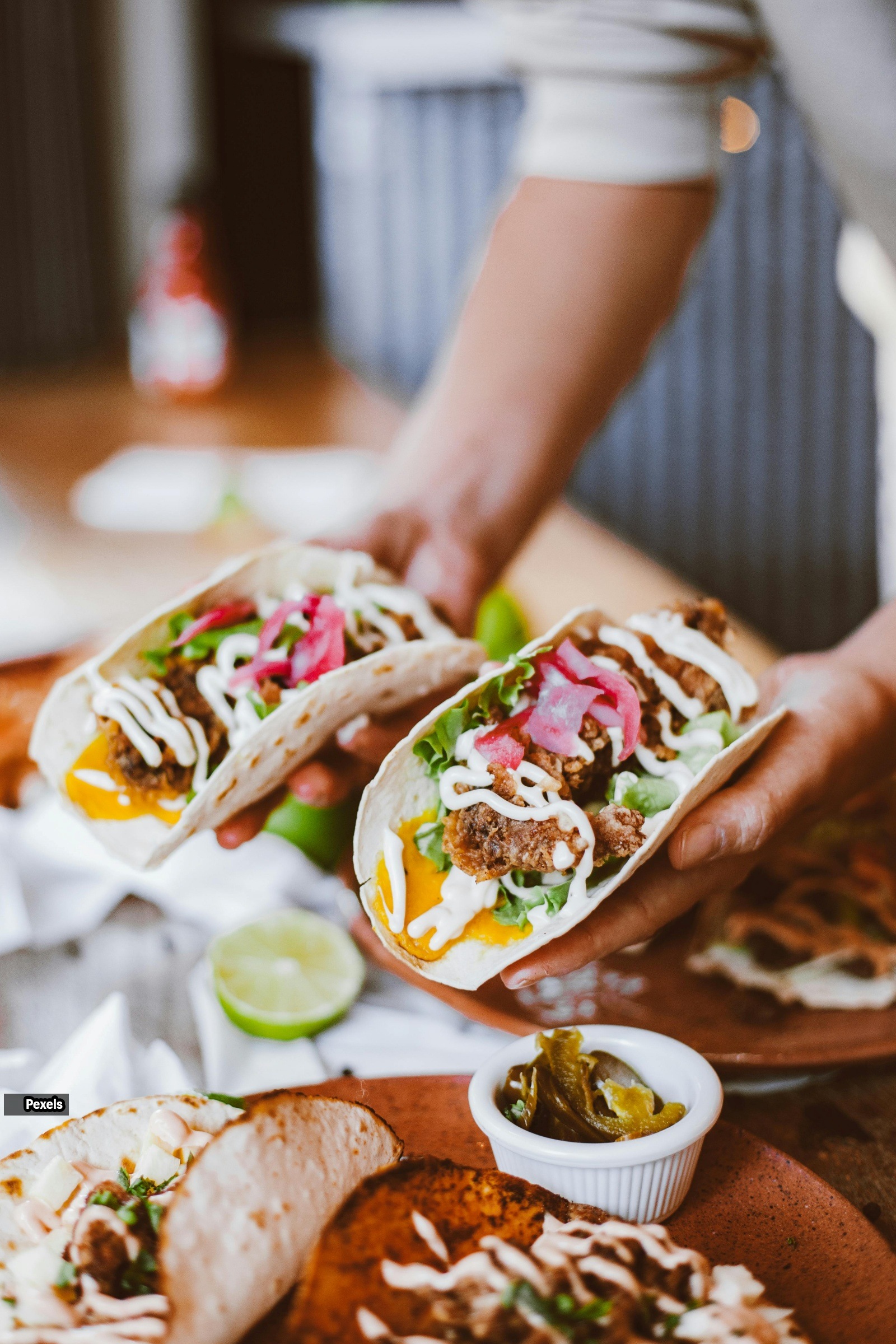
“Satisfaction from food is not driven only by calories or fat content—it is strongly influenced by familiarity, expectation, and sensory cues,” Dordi explains. When a healthier alternative mimics the shape, texture, or aroma of a familiar food, she explains, “it activates learned neural pathways associated with comfort and reward.”
Our brain is predictive by nature. “When something looks and smells like a burger, the brain partially activates the same reward circuits as it would with the original version, even if the ingredients differ.” Texture, crunch, warmth, and umami flavours all contribute to what she calls oral satisfaction. “In simple terms, the brain values recognition and ritual as much as it values the food itself.”
The naming also plays a big role in satiety. “Calling something a burger or pizza creates emotional familiarity and a sense of a ‘proper meal’,” Ms. Dordi explains. “The brain doesn’t just eat nutrients—it eats stories, memories, and symbols.” Which is why, even without the bun, the burger still satisfies. For many people, healthier versions also reduce deprivation, which is a major driver of binge restrict cycles. “When the brain doesn’t feel “denied,” self-control becomes easier and more sustainable.”
However, the psychologist cautions against rigid rules or moral labels, e.g. “real burgers are bad, this is the only allowed version”. Over time, this can create mental restriction, where the desire for the “forbidden” food increases, often leading to guilt or overeating later.
DISCLAIMER: This article is based on information from the public domain and/or the experts we spoke to. Always consult your health practitioner before starting any routine.


