4 min read
📣 For more lifestyle news, click here to join our WhatsApp Channel and also follow us on Instagram
© IE Online Media Services Pvt Ltd



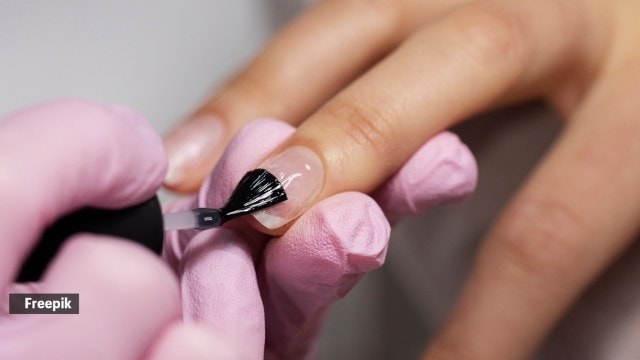 Why did the EU ban gel nails? (Source: Freepik)
Love glossy nails that add sparkle to your look? We have got news for you! The European Union (EU) has banned gel nail polishes across the continent, effective September 1. Why? Trimethylbenzoyl diphenylphosphine oxide, commonly known as TPO, is now forbidden in all cosmetic products after European regulators deemed it potentially toxic to humans, and most gel nail polishes use TPO as a ‘photoinitiator’, which lets the polish harden faster when placed under ultraviolet light, and helps them hold their colour for longer.
What’s gel polish, you ask?
Dr Ameesha Mahajan, Cosmetic Dermatologist & Founder, Eden Skin Clinic, told indianexpress.com that gel nails fall under the category of manicure, in which a liquid-based gel polish is applied to the nail and then cured under UV or LED light. Their advantage is that they last longer than regular nail paint and also provide a glossy, salon-like finish.
However, there are one too many concerns associated with using gel nails. Dr Mahajan listed a few of them below:
Dr. Mahajan elaborated that the ingredient restricted for use by the European Union (EU), also known as TPO (Trimethylbenzoyl diphenylphosphine oxide), is a chemical compound used as a photo-initiator in gel nail paints. It helps the gel harden quickly under UV/LED light.
Why is it risky? “Studies found it can be toxic to reproduction (may affect fertility or harm the unborn child), it is also classified as a C.M.R. substance (Carcinogenic, Mutagenic, or Reprotoxic) and is even linked to skin allergies and sensitisation,” she explained. Considering these risks, the EU banned its use, with a focus on consumer protection.
 Gel nails may be harmful in the long run (Source: Freepik)
If you still want beautiful, long-lasting nails without risky ingredients, Dr Mahajan suggested the following options:
“If you have sensitive skin or a history of allergies, it’s important to patch test the nail polish before applying it to your entire nail. This involves applying a small amount of the polish to a small area of skin, such as the inner wrist, and waiting for at least 24 hours to see if any allergic reaction occurs. If you experience any signs of an allergic reaction, such as redness, itching, or swelling, you should avoid using the nail polish and consult with a dermatologist,” she concluded.
Ever experience the frustration of a chipped nail, right before a big event? It’s not just a cosmetic concern! Brittle nails can be frustrating and even painful. Read on to learn how you can get healthy, strong nails that refuse to chip easily.