3 min read
Stay updated with the latest - Click here to follow us on Instagram
© IE Online Media Services Pvt Ltd



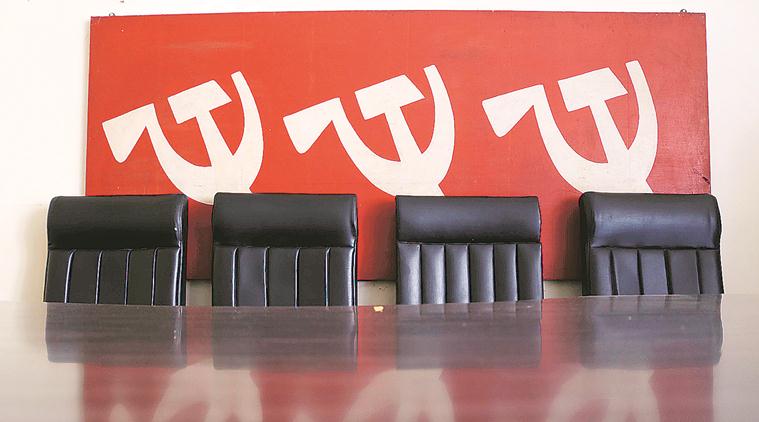 For the CPI(M), which was born out of the split in 1964, the results are similarly harrowing.(Express photo by Shashi Ghosh)
Fifty-five years after the Communist Party of India (CPI) split along ideological lines, the parent party has once again raised its demand for reunification of the Communist movement, prodded by its dismal show in the Lok Sabha elections.
In the election results announced last week, the CPI, which once boasted of 29 seats at the height of its undivided organisation in 1962, has been diminished to just two seats in the current Lok Sabha. What makes it more painful for the party is that both seats are courtesy of the DMK-led alliance which swept across Tamil Nadu winning 38 of the 39 seats. The party drew a blank in both Kerala and West Bengal—states considered to be its traditional bastions.
For the CPI(M), which was born out of the split in 1964, the results are similarly harrowing. The party has won just three seats out of the 65 it contested – one in Kerala and two in Tamil Nadu. The party, which won two seats in West Bengal in 2014, scored a zero this time.
The CPI National Executive, which met in New Delhi this week, noted that the Congress, the Left and its allies could not put up a ‘creditable united opposition’ to the BJP except in Tamil Nadu, where the DMK showed ‘foresight in forging alliance of all secular, democratic parties including the Left’.
“The National Executive, having done serious deliberations on the defeat of Left, pointed out that the Left in India is facing an unprecedented challenge. The marginalisation of Left will have very serious implication on the future of the country. Therefore the National Executive of the CPI has reiterated its position that the situation demands reunification of the communist movement and reworking of strategies and renergising of activities,” a CPI statement read.
In 2015, after being appointed the CPM’s general secretary, Sitaram Yechury had hinted that the reunification of the party with the CPI is on cards though there is no time frame on it.
In 1964, the CPI had split into two, following global repercussions of the rift between China and the USSR, two dominant Communist nations at the time. Fierce disagreements had also begun within the CPI on the policy of cooperating with the Congress, that a radical section of the party considered ‘bourgeoisie’. When 32 members of the party walked out of the ‘national council’ meet to form the CPI(M) in 1964, the split was complete. Over the years, the CPI(M) became more popular than its mother party, gaining power in the states of West Bengal, Kerala and Tripura.
Stay updated with the latest - Click here to follow us on Instagram