Journalism of Courage



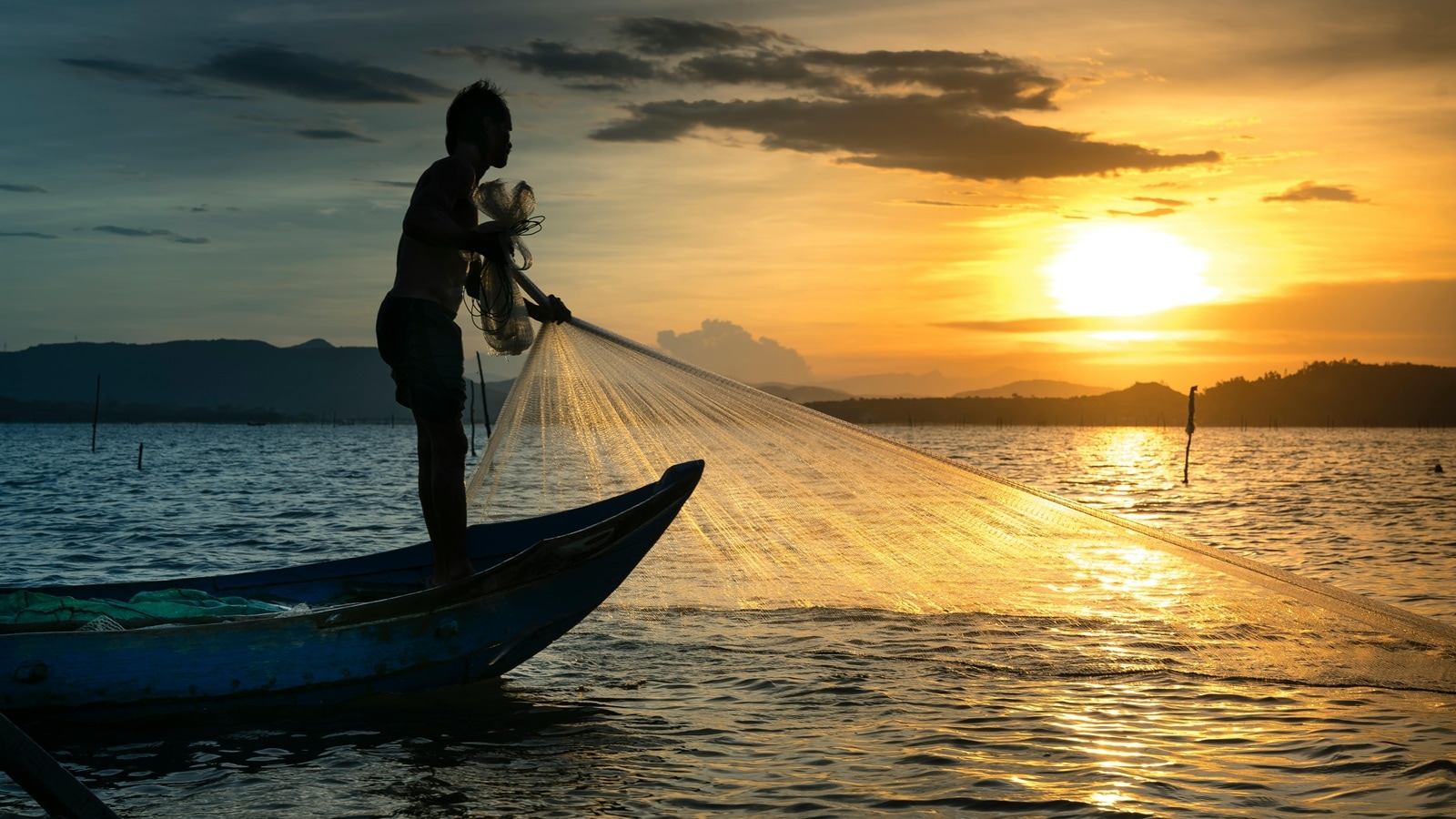 The study said that at 78 percent, Munambam harbour in Ernakulam district had the highest concentration of migrant labourers in Kerala’s mechanised fishing sector. (Source: Pexels)
Migrant workers account for over half of Kerala’s fishing force, a study by the ICAR-Central Marine Fisheries Research Institute (CMFRI) has found.
The study by the Kochi-based marine research institute, which covered harvest, post-harvest and market segments of the fishing sector, indicated that migrant workers have become the backbone of the marine sector in Kerala, accounting for 58 percent of the fishing workforce in the state. It also showed the significant disparities between native and migrant fisherfolk when it comes to their incomes and lifestyles.
CMFRI’s principal scientist Dr Shyam S Salim was the lead investigator of the study, presented during a stakeholder meeting on fisher labour welfare held in Kochi Wednesday.
The study said that at 78 percent, Munambam harbour in Ernakulam district had the highest concentration of migrant labourers in Kerala’s mechanised fishing sector.
Most of the migrant workers are from Tamil Nadu, West Bengal and Odisha.
The study also revealed the growing lack of interest among younger generations — both native and migrant — in pursuing a livelihood in the marine sector, indicating uncertainty about the long-term sustainability of the workforce in the sector.
While only 12 percent of the native fishermen cited employment opportunities as the reason for entering into fishing (harvesting), the corresponding figure among migrants was 50 percent. Another striking factor of the study is the migrant workers who go to sea are not traditionally associated with fishing.
In contrast, about 52 percent of native workers cited fishing as their family tradition.
Highlighting sharp differences in expenditure patterns, the study found that while natives spend 20-30 percent of their income on savings and significant portions on education and housing, migrants remit up to 75 percent of their income to their families back home, often living in boats with minimal spending on housing and amenities in Kerala.
Migrant incomes are consistently lower than those of native workers — averaging Rs 25,000/month in harvest centres compared to natives’ Rs 30,000, and dropping to just Rs 11,000 in post-harvest jobs.
Despite their dominance, migrant workers remain highly vulnerable, facing exploitation, health risks and lack of social security, the study found. While native labourers faced major constraints such as insufficient income, indebtedness, off-season unemployment and lack of credit interest, the migrant workers struggled mostly with identity crises, differences with native workers, isolation and discrimination, the study found.
This is the first study bringing to light the share of migrant workers in the fishing sector in Kerala, which has 220-odd fishing villages in its vast coastal belt. Kerala’s fisherfolk population is estimated at 10.49 lakh, while the number of registered fisherfolk is only 3.09 lakh.

 3 min read