Journalism of Courage



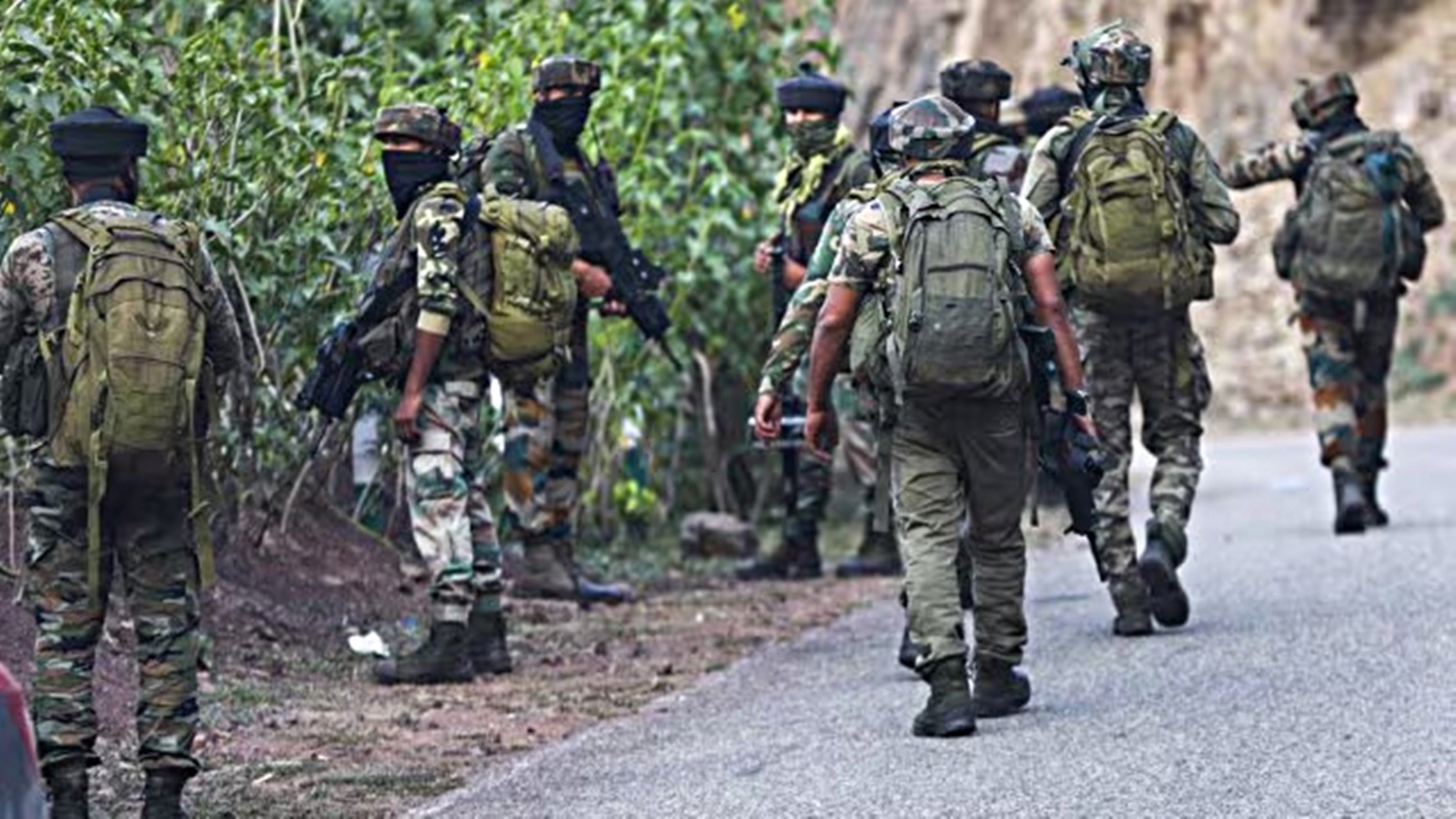 The poor condition of both these roads means that it takes time for security forces and police to reach the site of an attack even when it happens on the road itself. (Representational Photo)
With the Jammu division seeing a rise in militant attacks over the last three years, many in the security establishment believe that bad roads have been one of the major challenges in the fight against the militant threat.
A senior officer in the Jammu and Kashmir Police said that between Rajouri and Poonch districts, both National Highway 144A and the alternate defence road looked after by the Border Roads Organisation (BRO) are in poor condition in view of ongoing road-widening works.
Significantly, he pointed out, the private contractor hired by the BRO for widening the defence road abandoned the work after the entire stretch from Thanamandi to Buffliaz and then Surankote was dug up.
On December 21 last year, two Army vehicles were attacked by militants near Topa Pir village between Buffliaz and Dera Ki Gali (DKG) in Poonch district. From both Buffliaz and DKG, where security forces have their camps, the attack site was hardly five kilometres, but the reinforcements took nearly 40 minutes to reach due to the poor condition of the defence road.
Those coming from Surankote and Thanamandi took another 50 minutes to 100 minutes to cover the 15-20 km distance to the attack site. By then, the militants had shot a video of the attack, collected weapons of the deceased soldiers, and fled the scene.
This defence road not only provides an alternate connection between Rajouri and Poonch districts as it joins NH-144A at Surankote, it also connects these two border districts with Shopian district in the Kashmir Valley as it touches the Mughal road at Buffliaz.
Regarding the Mughal Road, another senior police officer recalled that his bullet proof official vehicle had broken down while moving on its uneven and broken surface.
Between October 11, 2021 and December 21, 2023, a total of 19 soldiers, including two JCOs, have died in terrorist attacks in areas on the Mughal Road and NH-144A, or areas falling in their close proximity. The poor condition of both these roads means that it takes time for security forces and police to reach the site of an attack even when it happens on the road itself.
The work on the new Mughal road started in October 2005, and it was opened for light vehicles in August 2012. It was around the same time that the Pir Panjal region, comprising Rajouri and Poonch districts, was freed of terrorism by police and security forces, said Shafiq Mir, former chairman of the Buffliaz Block Development Council.
By 2020-21, the BRO allotted the contract for widening of the Rajouri-Thanamandi-DKG-Buffliaz-Surankote road to a private contractor who, however, abandoned the work after digging up the entire stretch by 2022. It is around the same time that terror activity resurfaced in the area, he pointed out.
A senior officer in the Poonch district administration attributed the bad condition of the roads to the shifting of the BRO’s focus towards Line of Control (LoC) after the Pir Panjal region was declared militancy free. “Not only this defence road, they silently abandoned even some other roads in interior areas that they had earlier built to connect our villages during the peak period of terrorism,” the officer said.
“When the condition of those roads worsened and the administration contacted the BRO, it replied that it had handed these over to the civil administration for maintenance many years ago,” the officer said.
The importance of the roads in the fight against militancy was also brought up by some public representatives, including members of District Development Councils, who met Defence Minister Rajnath Singh during his visit to Rajouri in the aftermath of the killing of four soldiers in a December 21 militant attack.
Shafiq Mir also pointed out that most of the terror attacks in Rajouri and Poonch districts have taken place in areas falling in close proximity to NH-144A and the Thanamandi-DKG-Buffliaz-Surankote defence road.
The road in Kathua district’s Badnota village, where militants ambushed an Army convoy, killing five soldiers and injuring five others, was also in poor condition. This meanth thatreinforcements from nearby Machedi took time to reach the attack site. Sources said, however, that despite this, soldiers fought valiantly and fired relentlessly, eventually forcing the militants to flee.

 5 min read