Journalism of Courage



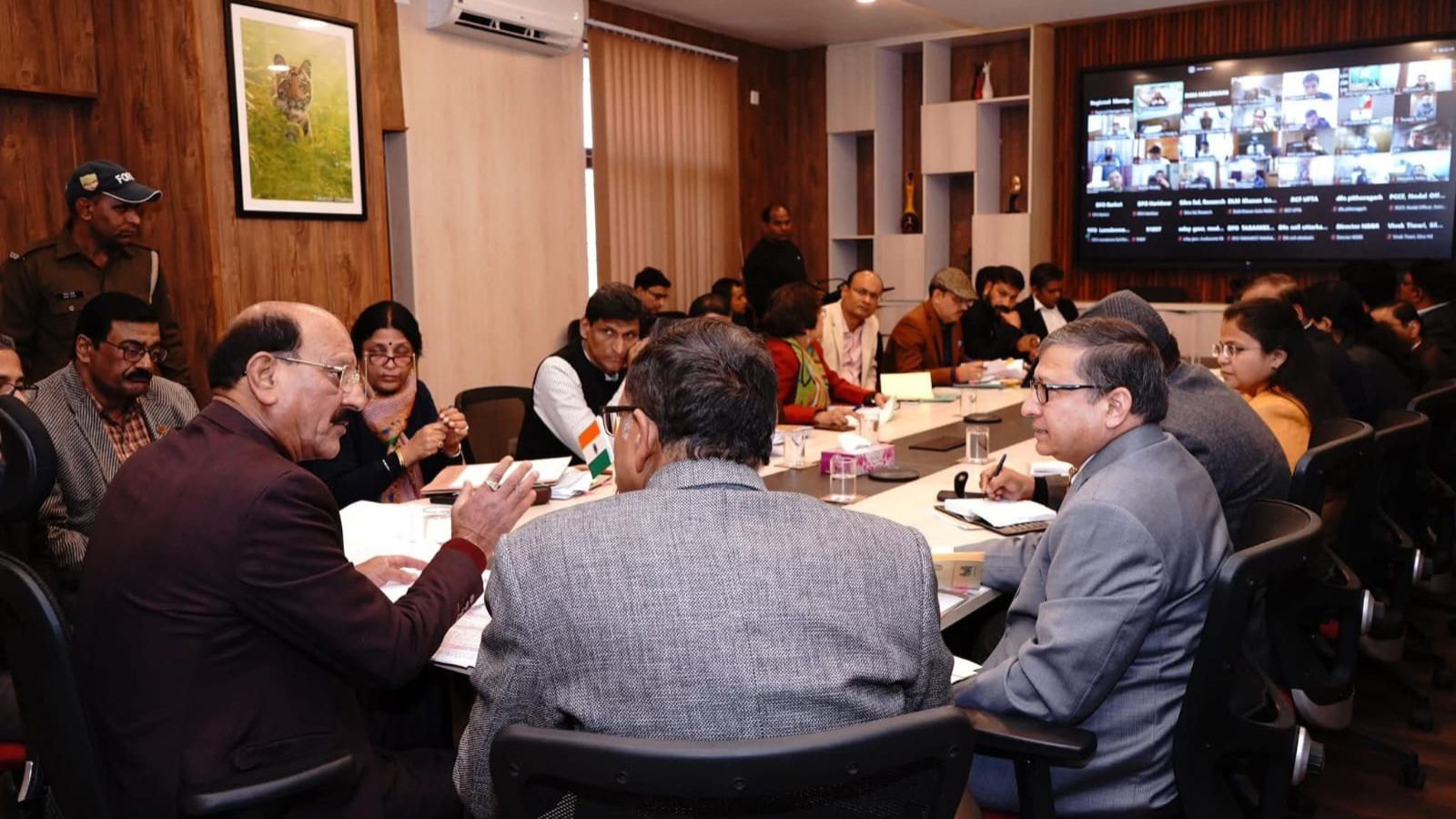 To tackle the issue, we have identified 20 divisions with the highest conflicts and are sending a minimum of 50 solar-powered lights to mitigate these incidents, says Minister of Forest, Subodh Uniyal. (Express Photo)
Uttarakhand has seen an escalation in human-wildlife conflict over the past few months, with a stark increase in black bear attacks. The forest department has pegged the eight casualties from bear attacks this year to be the highest since the state’s formation. Minister of Forest, Subodh Uniyal, spoke to The Indian Express on the conflict, plans to mitigate it, and the way forward. Excerpts:
Official data suggests a significant surge in bear, leopard and other wild animal attacks across Uttarakhand this year, with dozens of deaths and hundreds of injuries reported in 2025 alone. What specific trends, such as the species involved, hotspots, and behavioural changes, has the department noticed?
I have never seen such incidents of conflicts stemming from bear attacks in my life. From the preliminary studies we have conducted, it points to the delay in hibernation of bears. Hibernation should start in November and go on till the end of winter for months. Similarly, I have noticed other species known to hibernate during winter, such as the tortoise, have had disruptions in their cycles. All these indicate factors surrounding climate change. With temperature changes, the habitats of bears are affected, and hibernation is disrupted, and they get aggressive. Another reason is the dumping of food waste – when there is a decline in food sources, the bears rely on these easy sources.
What are the initiatives by the department to mitigate conflicts?
To tackle the issue, we have identified 20 divisions with the highest conflicts and are sending a minimum of 50 solar-powered lights to mitigate these incidents. Villagers have also demanded that bushes and shrubs near human settlements be cleared so these animals cannot hide in them and go unnoticed. We have undertaken awareness campaigns in these regions, on the timing to leave their homes, and disposal of food waste, among others.
In these 20 divisions that we have identified as hotspots, we have set different timings for school children based on factors like fog and poor visibility, so they don’t coincide with the hours when the movement of bears and other animals is noticed.
The government recently announced that it seeks amendments to the Wildlife Protection Act to empower range officers with further powers. What are the steps towards this?
A few years ago, we removed the common monkey (Rhesus Macaques) from Schedule 2 of the Wildlife Protection Act and set up sterilisation centres. This has proved successful as their population has come down. Those wild animals given protection under the Act cannot be sterilised. This is a nascent stage to comment on possible amendments to the Act. What we can do, however, is to study whether the changes in the behaviour of animals require long-term plans. If this is a temporary phase, we will find the solutions to tackle it.
Earlier, the government had notified wild boars and nilgai as vermin in parts of the state, so they could be killed with approval from local forest staff to mitigate conflict. Apart from this, we have improved the compensation for the next of kin of those killed in conflicts from Rs 6 lakh to 10 lakh. We have provisions to help victims injured in such attacks with assistance for treatment, apart from aid in case of property damage. Earlier, there was no compensation for victims of bee/wasp stings; we have introduced that as well. We consider this issue very seriously.
We have limitations when it comes to seeking amendments. However, we have looked into other ways, such as the translocation of animals if they exceed the carrying capacity of the state.
Have you commissioned any studies to probe the behavioural changes, given conflict escalations? Which institutions will lead the study?
The Head of Forest Forces has been asked to conduct a study into the change in behaviour of animals. The department will collaborate with institutes like the Wildlife Institute and FRI for this.
Solar fencing, sensor alerts and AI-enabled systems have been announced as future interventions. Why weren’t such technologies implemented in high-conflict zones before a spike in conflict was seen?
Since the formation of the state, we have been the first government to provide these solar-powered lights after I became the minister in 2022. When I was the agriculture minister (between 2017 and 2022), I would get complaints of crop raiding. I installed 36,000 solar-powered lights in the state to curb such conflicts affecting agriculture. We will send these devices to mitigate further loss and damage.
There are ongoing concerns about road expansions and infrastructure projects in ecosensitive zones that may fragment wildlife habitats, including in the Bhagirathi ecosensitive zone. Are conflicts factored in while making forest clearance decisions?
The Char Dham highway is a strategic road central to the defence of the country (on the Indo-China border). China has reached their side of the border. The current infrastructure limits vehicles that are instrumental for the defence movement, for strengthening national security. Had it been any other road, we would not have moved the proposal. However, the number of trees affected will be reduced. Also, we have developed infrastructure in the state to ensure there is no habitat or movement disruption for the wildlife.
Recently, the RSS and senior leader Murli Manohar Joshi criticised the government’s move to fell more than 6,000 deodar trees in Uttarkashi for the same project. How do you respond to this?
Anyone concerned about the environment will oppose plans that can be detrimental, but when it comes to national security and preparations against China, we have to develop infrastructure.

 6 min read