3 min read
Stay updated with the latest - Click here to follow us on Instagram

Journalism of Courage



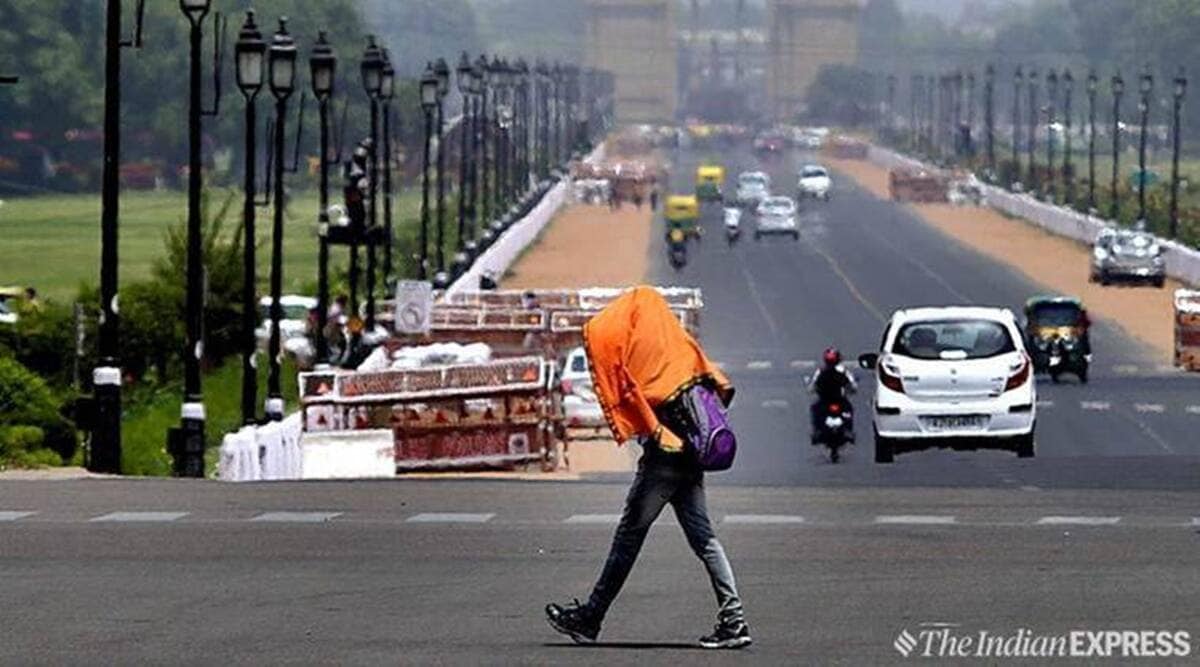 The summer maximum temperature is projected to increase in the 2030s in all the districts of India. (file)
 Bengaluru-based think-tank Center for Study of Science, Technology and Policy (CSTEP) has recently published a report claiming that India is headed for a warmer and wetter future (2021-2050) with an increase in extreme weather events, particularly heavy rainfall. The study also said that there were significant increases in the ‘summer maximum temperature’ and the ‘winter minimum temperature’ during the period spanning 1990 to 2019. The study was conducted across 723 districts in the country.
The report titled ‘Climate Atlas of India: District-Level Analysis of Historical and Projected Climate Change Scenarios’ was released on December 30. The report summarises the findings from CSTEP’s historical climate analysis (1990-2019) and future climate projections (2021-2050) at a district level for the 28 states of India.
“The analysis of historical climate data (1990–2019) shows that around 70 percent of the districts in India experienced an increase in the summer maximum temperature by up to 0.9 degree Celsius. Likewise, winter minimum temperature has increased by up to 0.5 degree Celsius in 54 percent of the districts. Rainfall during the kharif or the monsoon season has increased, and the increase is particularly high in the north-east and Western Ghats districts – about 10 percent to 15 percent,” the report says.
“The summer maximum temperature is projected to increase in the 2030s in all the districts of India… In the period (2021-2050) a warming of 1 degree Celsius is projected for the districts of Karnataka, such as Belagavi, Gadag, Bagalkot, Dakshina Kannada, and Chikkamagaluru. A warming of 1 degree to 1.5 degree Celsius is projected for most of the districts in Rajasthan and Gujarat and the north-east states of Arunachal Pradesh, Assam, and Nagaland,” it adds.
The study has claimed that rainfall during the kharif (June to September) and rabi (October to December) seasons might increase across South India in the 2030s. “The maximum increase in the kharif season rainfall is projected in the districts of Andhra Pradesh (up to 29 percent increase). Rainfall during the rabi season is also projected to increase substantially in all the districts of South India, even up to 40 percent in Andhra Pradesh and 59 percent in Telangana. The number of rainy days is projected to increase in the 2030s in almost all the districts in South India,’ the study says.
“This district climate profile provides an understanding of the changes in climate during the current day or near past and the near or short-term future. It is evident from this analysis that the future climate will not be the same and this will impact natural resources, dependent livelihoods, and infrastructure. The need of the hour is, therefore, to create awareness on the likely changes and build the capacity to integrate climate information into policies and plans to minimise loss and damage,” the report further says.
Stay updated with the latest - Click here to follow us on Instagram


The Enforcement Directorate (ED) on Thursday conducted searches at 10 premises associated with the election management company I-PAC in Kolkata and Delhi. The company, founded by election-strategist-turned-politician Prashant Kishor, is currently managing election campaigns of the Mamata Banerjee-led Trinamool Congress. West Bengal will go to elections this year.