Journalism of Courage



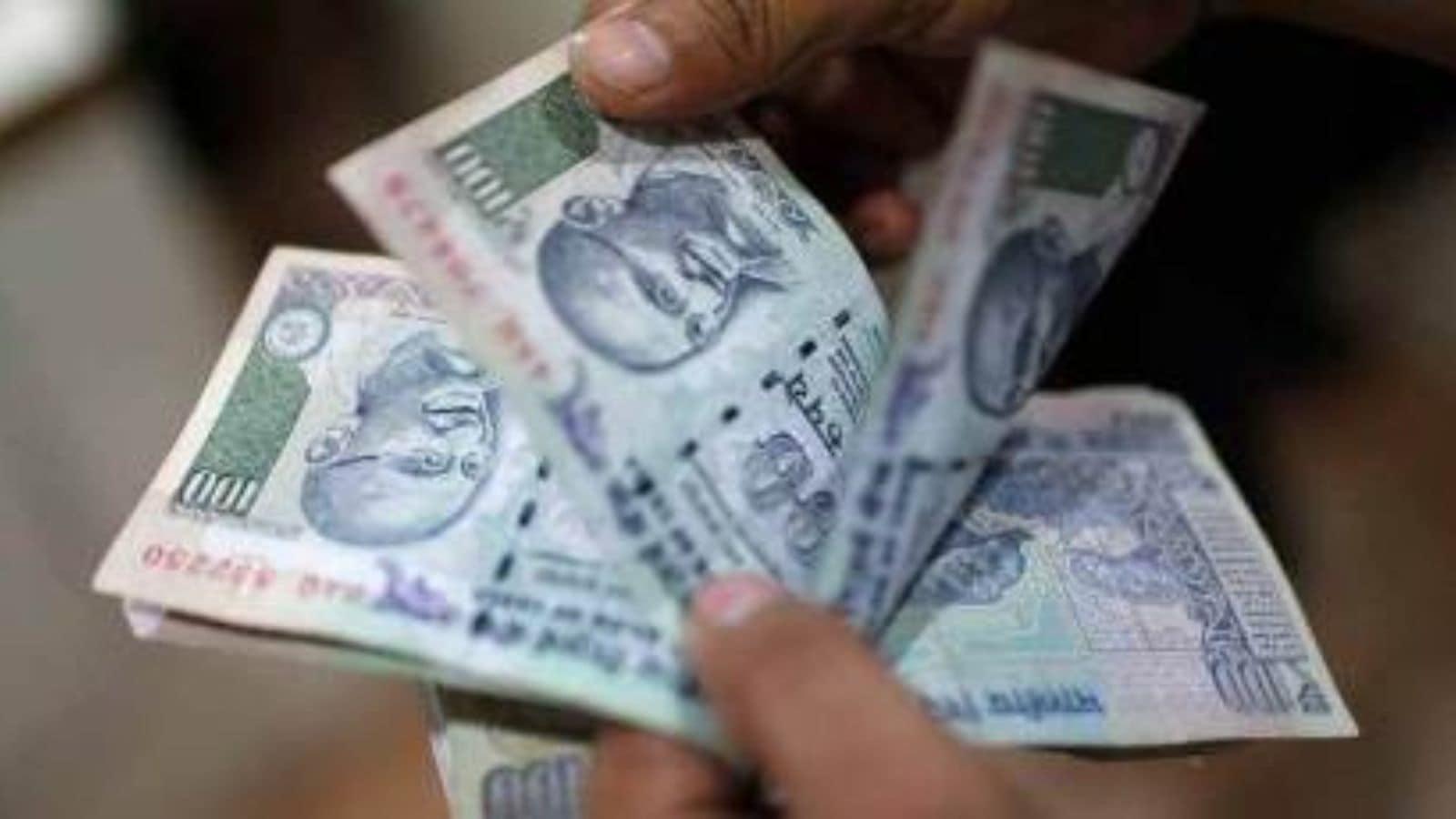 Out of total disbursement of Rs 9,333 crore, an amount of Rs 2,060.29 crore pertaining to the year 2021-22 disbursed by the department could not be analysed in the absence of data and information, according to the report.
 A report from the Comptroller and Auditor General has said that 12.72 lakh “ineligible beneficiaries” availed assistance worth Rs 782.26 crore under the Krushak Assistance for Livelihood and Income Augmentation (KALIA) scheme, which is credited with helping the BJD win the 2019 Odisha elections.
In its compliance audit report released on Wednesday evening, the CAG observed that the state government had provided KALIA benefit assistance to 65.64 lakh beneficiaries during 2019-21, and released instalments thrice to 41.64 lakh beneficiaries, twice to 8.09 lakh beneficiaries and only once to 15.91 lakh beneficiaries.
“This happened due to identification of 9.76 lakh ineligible beneficiaries while implementing the scheme. In addition to this, audit also analysed the KALIA database, with reference to other databases like SECC, VAHAN, IFMS and HRMS and identified another 2.96 lakh ineligible beneficiaries, bringing the total number of identified ineligible beneficiaries to 12.72 lakh,” stated the audit report. The CAG said there were “remote chances of recovery” of the amount from the ineligible beneficiaries.
Payment of Rs 107.64 crore was released to 1.28 lakh account holders in which the names of account holders were different from names of the beneficiaries, indicating payment to unauthorised persons, the audit report said.
KALIA scheme, aimed at helping farmers, sharecroppers and landless agricultural labourers, was launched months before the Centre launched its PM-Kisan scheme in the run up to the 2019 elections. Though the BJD government had initially promised Rs 10,000 to farmers and Rs 12,500 to landless agricultural labourers under the scheme in two instalments every year, the assistance was reduced to Rs 4,000 after PM-Kisan was launched.
Considering its popularity, the new BJP government in Odisha repackaged the scheme and launched it as CM-Kisan scheme.
The CAG, in its report, also said the state government department that implemented the scheme did not provide complete databases of the KALIA portal and also other databases that were used in selection and identification of beneficiaries despite repeated requests.
Out of total disbursement of Rs 9,333 crore, an amount of Rs 2,060.29 crore pertaining to the year 2021-22 disbursed by the department could not be analysed in the absence of data and information, according to the report.
The report said that due to a lack of preparedness, the department did not ensure the feasibility of implementation of the scheme, owing to which out of six components under KALIA scheme approved by the government, only two components – support to cultivators for cultivation and livelihood support for landless agricultural households – were implemented during 2018-21.
The audit report also alleged that the government extended undue favour by engaging a private firm without inviting tender. The firm was engaged as the system support team for KALIA scheme, and the work was awarded at a cost of Rs 1 crore.

 3 min read