4 min read


© The Indian Express Pvt Ltd



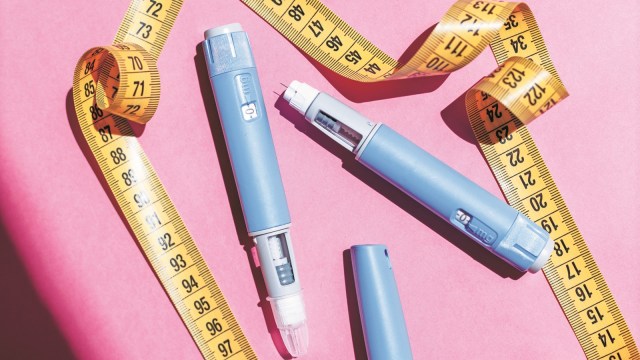 There are some clinicians who are reducing doses in their patients but it can be done on a case-to-case basis; cannot be generalised for all
 Months after launching its weight-loss drug, Danish pharmaceutical giant Novo Nordisk launched its injectable semaglutide for the treatment of Type 2 diabetes last week. It will cost between Rs 8,800 a month for the lowest dose to Rs 11,175 a month for the highest dose.
The drug was first approved for the treatment of diabetes in 2017 by the US Food and Drug Administration. However, it soon gained popularity for the significant weight loss it led to, with physicians prescribing it off-label to patients struggling with obesity. In 2021, the FDA officially approved Wegovy — a higher-dose version of semaglutide — as treatment for chronic weight management. While semaglutide — and its successor tirzepatide — took the world by storm, both entered the Indian market only in 2025. The Indian Express spoke to endocrinologists, Dr Shashank Joshi of Lilavati Hospital, Mumbai, and Dr AG Unnikrishnan of Pune’s Chellaram Diabetes Institute.
Patients are concerned about continuing the drug indefinitely. Can the dosage be tapered down?
Dr Unnikrishnan: Diabetes and obesity are chronic conditions for which people need to continue taking the medicine till the benefits last — people already do that for conditions such as diabetes, cholesterol and hypertension. There are some clinicians who are reducing doses in their patients but that can be done on a case-to-case basis. The protocol cannot be generalised for all. Also the drug must be used in tandem with diet and exercise.
Why the need for caution?
Dr Joshi: This class of drugs, GLP-1 RA, which mimic the functioning of gut hormones, need to be carefully administered in Indians because we have the “thin-fat” phenotype, which means we have visceral fat inside muscle, liver and epicardial tissue while weighing normal. Such people run the risk of significant lean muscle mass loss as a proportion of total weight lost. This can adversely affect the muscle-to-fat ratio and potentially lead to frailty or functional deterioration, especially in older adults. So treatments should only be taken under medical supervision and strictly according to prescribed dosage. Microdosing is not recommended.
Abdominal obesity in Indians means they are at a higher risk of metabolic diseases. How does the drug impact people with high abdominal obesity?
Dr Joshi: What we have seen so far — with the oral drug for four years and now the weight-loss dose for nearly six months — is that Indians tend to lose more weight than the global average. Sometimes even with the lowest dose we see weight loss of up to 20 per cent of the body weight.
What about side effects?
Dr Unnikrishnan: Side effects in India are so far similar to the data in published medical science literature.
Dr Joshi: Vigilance is the key. The drugs must be taken under strict supervision. Common side effects like nausea, vomitting, diarrhoea and constipation can be minimised by grading doses. Rare side effects on pancreas or other organs are under scrutiny.
Is there a concern that there could be an overuse or misuse of the drugs?
Dr Unnikrishnan: There are two sides to this — there are people living with diabetes and obesity who do not want to take the medicine because of side-effects and others who want it for cosmetic reasons. People should go to the right doctor and get a prescription.
Dr Joshi: The medicine should not be prescribed by dieticians.